





A New York immigration attorney has urged President Donald Trump and the Department of Homeland Security (DHS) to provide emergency immigration protections, work authorization, and travel relief to Nepali nationals in the United States following what his office described as catastrophic flooding in Nepal.
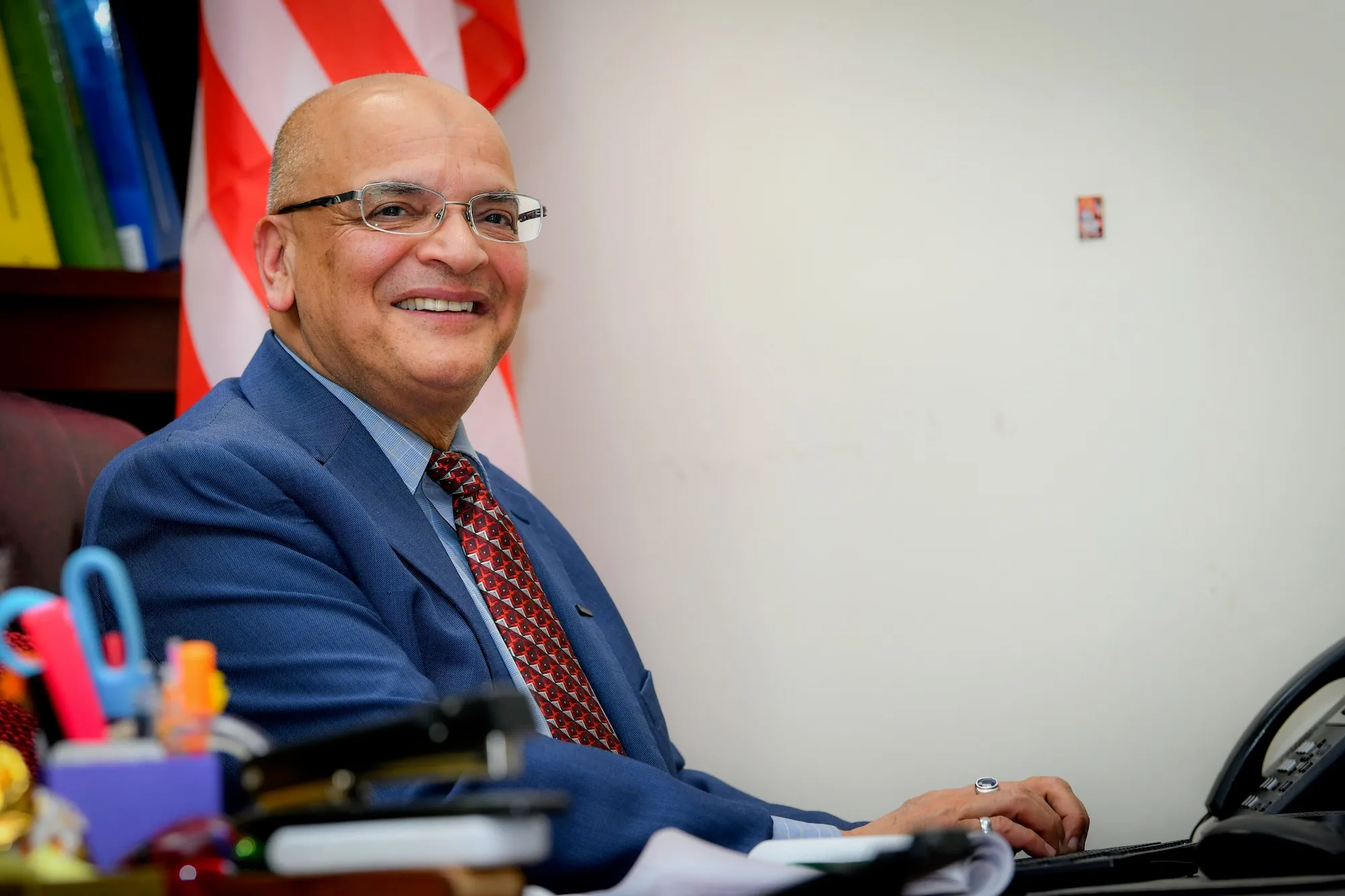
Keshab Raj Seadie, managing attorney of the Law Offices of Keshab Raj Seadie P.C., sent letters dated Aug. 28 to Trump and Homeland Security Secretary Markwayne Mullin, requesting humanitarian measures for Nepali nationals who are lawfully present in the United States and whose families have been affected by the disasters.
Looking for job?
Click hereThe letters call for a temporary halt to Immigration and Customs Enforcement (ICE) actions against Nepali nationals currently in the country, as well as either a new Temporary Protected Status (TPS) designation for Nepal or expedited employment authorization for eligible Nepali nationals.
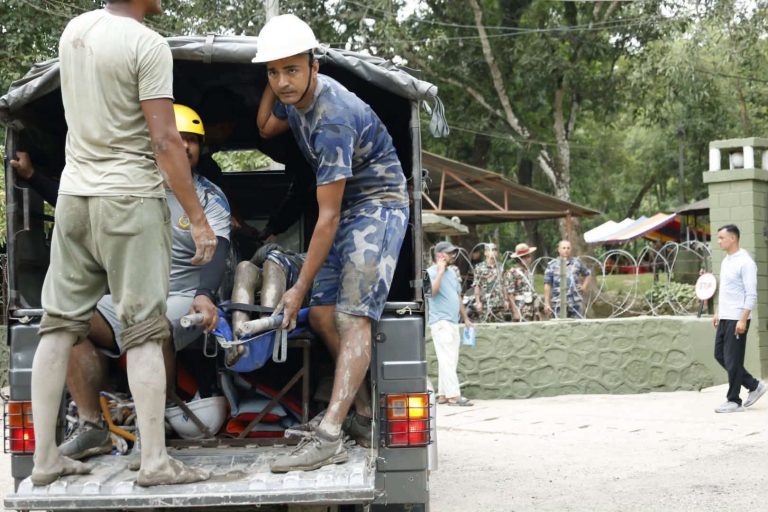
Seadie’s office said the flooding had destroyed homes and infrastructure, displaced thousands of families, and created serious public health and safety concerns across Nepal. The letters did not provide independent casualty or damage figures.
“Many Nepali nationals currently residing lawfully in the United States on various visa statuses face an agonizing choice: return to their homeland to care for displaced and grieving family members, or remain in the U.S. while their loved ones suffer,” the letter to Trump states.
The request also seeks permission for Nepali nationals to travel to Nepal to assist relatives and communities affected by the emergency and then return to the United States without adverse immigration consequences.

In the letter addressed to Secretary Mullin, Seadie asked DHS to establish a temporary moratorium, lasting at least six months, on ICE enforcement actions involving Nepali nationals who are lawfully present in the United States. He also called on the department to designate Nepal for Temporary Protected Status under federal immigration law or, alternatively, to issue expedited employment authorization documents to eligible Nepali nationals already in the country.
Furthermore, the attorney requested that DHS authorize humanitarian travel permits so Nepali nationals can travel home to assist family and community members affected by the emergency without facing status penalties upon their return. Finally, the letter urged federal authorities to defer removal proceedings involving Nepali nationals while the U.S. government evaluates the evolving humanitarian conditions in Nepal.
The petition specifically cited Nepalis in the United States on H-1B visas, employment-based immigration pathways, family-sponsored immigration cases, and other lawful statuses. It said people in those categories fear that leaving the country could affect their ability to return, their immigration status, or their employment.
The attorney’s office characterized the proposed actions as temporary humanitarian protections rather than “amnesty” or a permanent immigration benefit.
“These requested measures are consistent with prior humanitarian responses by DHS to natural disasters affecting sending countries,” the letter to Mullin states. “They do not constitute amnesty or grants of illegal status—they are temporary relief measures during an unprecedented humanitarian emergency.”
Seadie asked for a meeting within a week with Trump, Mullin, or other senior administration officials to discuss the scope of the disaster and its impact on Nepali Americans.
The letters were sent on behalf of the Nepali American community, according to Seadie’s office. It was not immediately clear whether the White House or DHS had responded to the request.
Any Temporary Protected Status designation would require formal action by the DHS secretary. TPS is a temporary immigration status available to eligible nationals of countries affected by conditions such as armed conflict, environmental disasters, or other extraordinary and temporary circumstances. A designation does not create a path to permanent resident status, but it can allow eligible recipients to remain in the United States and obtain work authorization for the duration of the designation.
The request comes as Nepali families in the United States weigh how to support relatives affected by the disaster while navigating visa rules, pending immigration cases, and travel restrictions.
