








A federal government shutdown after Dec. 11 could halt key employment-based immigration filings and disrupt several government programs, although most fee-funded immigration and visa services are expected to continue.
The temporary spending measure funding the federal government expires Dec. 11, 2026. Unless Congress passes and the president signs new funding legislation, a shutdown could suspend some immigration services and delay cases for employers and foreign workers.
Looking for job?
Click hereA shutdown is not inevitable. But employers with time-sensitive cases should review their filing options with immigration attorneys, particularly for workers approaching the maximum period allowed under their temporary immigration status.
The Labor Department’s immigration operations would be among the services most vulnerable to a shutdown. They include processing permanent labor certification applications, known as PERM applications, labor condition applications, prevailing wage requests and temporary labor certification applications.
Under a potential shutdown, the department’s Foreign Labor Application Gateway, or FLAG, could become inaccessible. Employers would be unable to submit applications or respond to PERM audits. The department also could stop accepting submissions by mail.
The impact, however, is uncertain. During the 2025 shutdown, the Labor Department resumed many foreign labor certification operations even as the broader funding lapse continued. On Oct. 31, 2025, the department announced that it was resuming operations, allowing employers to submit applications and begin receiving some approvals. It remains unclear whether the department would take a similar approach during another shutdown.
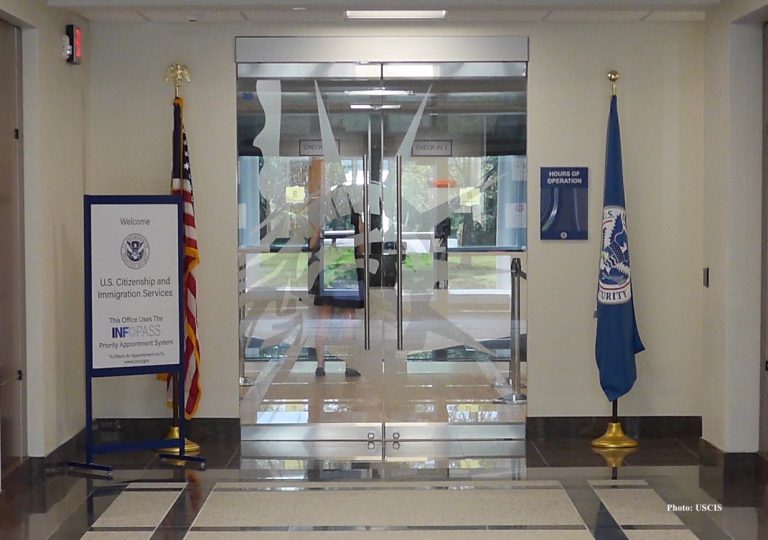
U.S. Citizenship and Immigration Services generally would continue processing immigration benefit applications and petitions because its operations are primarily funded by filing fees. Appointments at local USCIS offices and application support centers also are expected to continue.
Some cases could still face delays if they require assistance from government offices affected by the shutdown, including agencies responsible for conducting security checks.
The State Department’s visa and U.S. citizenship documentation services also are expected to continue as long as sufficient fee revenue is available to support consular operations. Some domestic passport offices could be affected if they are located in federal buildings that close during a shutdown.
Border inspections would continue, as would Immigration and Customs Enforcement operations and the Student and Exchange Visitor Information System, which tracks international students and exchange visitors.
E-Verify, the electronic employment eligibility verification system, could become unavailable if Congress does not extend its authorization beyond Dec. 11.
An interruption would prevent participating employers from opening verification cases or resolving tentative nonconfirmations, which occur when an employee’s information does not match government records. Employers would not be expected to meet standard E-Verify deadlines while the system is unavailable.
Employers would still be required to comply with Form I-9 requirements and deadlines. They also must not take adverse action against employees because a shutdown prevents them from confirming employment eligibility through E-Verify.
The system’s status during a potential shutdown remains uncertain. In 2025, E-Verify became inaccessible after its authorization expired but resumed operations about a week later, before Congress reauthorized the program. The government did not explain the restart, and users experienced technical problems.
Congressional authorization for the Conrad 30 program is also scheduled to expire Dec. 11.
The employment-based immigrant visa category for nonminister religious workers would become unavailable without a congressional extension. The government would be unable to approve applications under that category until Congress reauthorizes it.
The Systematic Alien Verification for Entitlements program, known as SAVE, which government agencies use to verify immigration status when determining eligibility for public benefits and services, is expected to remain operational.
Immigration attorneys advise employers to consult with counsel about submitting time-sensitive Labor Department applications before the Dec. 11 funding deadline. Congress could still reach an agreement and avert a shutdown.
