







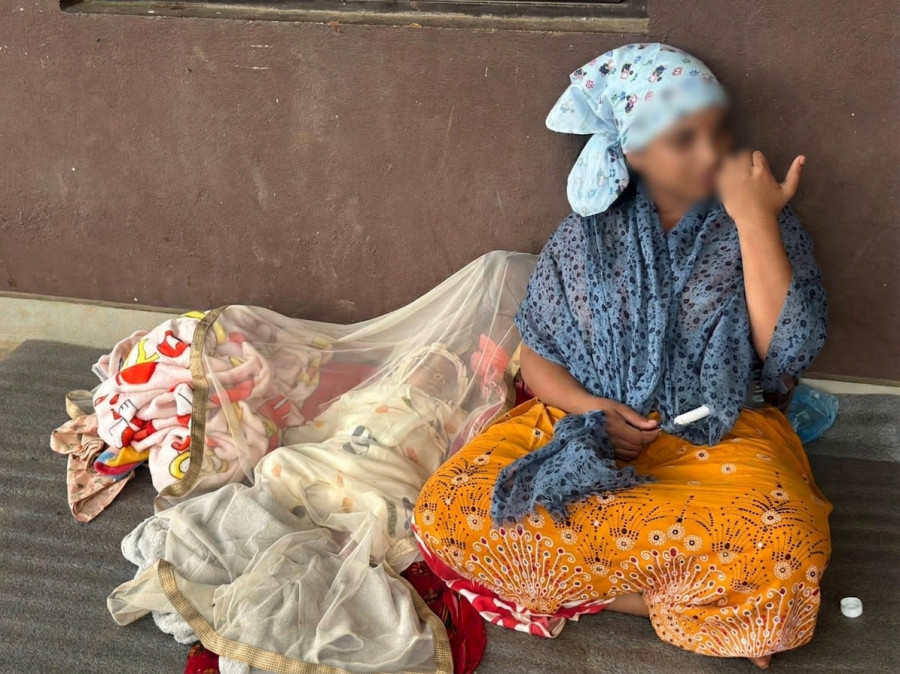
KATHMANDU, Nepal — When floodwaters surged toward her settlement, Srijana Nagarkoti was seven months pregnant. With her body weakened by pregnancy and little time to escape, she ran for higher ground, desperate to save herself and her unborn child.
She had barely made it about 20 meters when she fell.
Looking for job?
Click hereTerrified that the fall might have injured her baby, Nagarkoti waited three days to find out whether the fetus was safe. Electricity outages had disrupted hospital services, leaving doctors unable to operate the ultrasound machine. Only after power was restored and doctors examined her did she learn that the baby had not been harmed.
The ordeal was far from over.
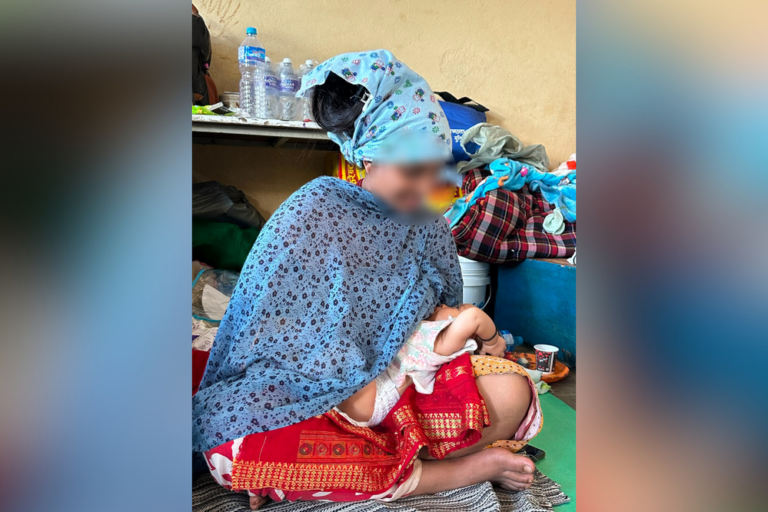
About 10 days after the fall, she experienced sudden bleeding and rushed to the hospital. Doctors attributed the problem to extreme stress and fear. She later gave birth, and her newborn is now in normal health.
But nearly three months after the floods, Nagarkoti is still struggling to rebuild her life. The disaster destroyed two businesses she and her husband had built through years of hard work — a boutique and a meat shop. Their investment, estimated at 4 million to 5 million Nepali rupees, was wiped out.
She spent about 20 days in a temporary holding center, where she received some clothing and basic assistance. Since then, she has received no substantial government relief or compensation.
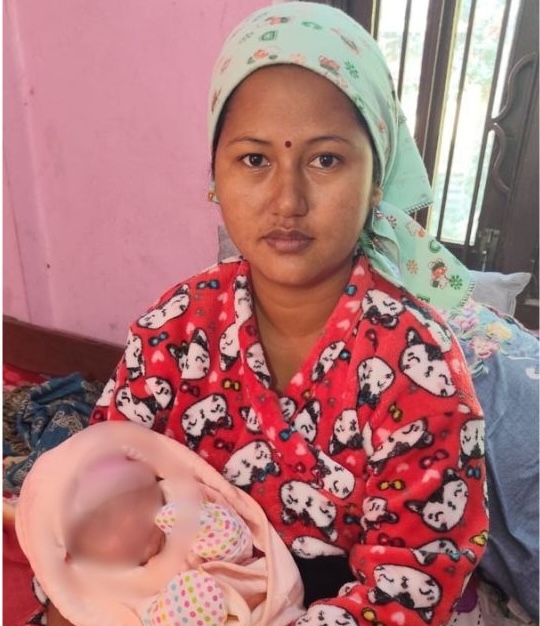
She has also not received the nutritious food, essential supplies or other assistance she says pregnant and postpartum women need.
“I have heard that only those whose houses were completely destroyed or who suffered total losses receive relief,” she said.
Nagarkoti is among a group of women who survived the devastating floods in Nepal’s Rasuwa and surrounding areas but continue to face the consequences of the disaster during pregnancy and early motherhood. For many, the immediate threat of floodwaters has passed, but the challenges of finding safe shelter, maintaining adequate nutrition and accessing regular medical care remain.
Their experiences raise questions about whether government relief and health programs are reaching some of the most vulnerable survivors.
A Narrow Escape, Followed by a Long Recovery
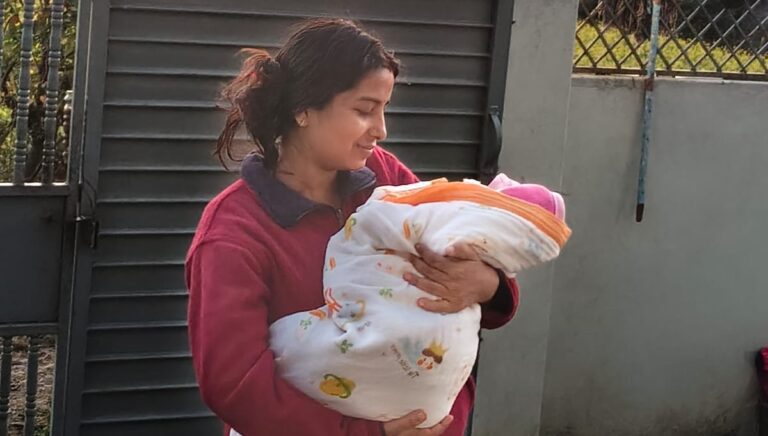
Samjhana Neupane, a civil servant working in the animal services division of Gosainkunda Rural Municipality, was eight months pregnant when the floods struck on Bhadra 10.
She was eating a late meal when she heard people screaming. Looking out the window, she saw a dark surge of water and debris rushing toward the settlement.
“I knew I had to run, but my mind stopped working. I tried to move my legs, but I couldn’t,” she recalled.
A colleague pulled her outside, and she fled with two other co-workers toward higher ground above a school in Chhyambung. She still has difficulty remembering how she managed to climb the steep, uneven path while eight months pregnant.
The flood destroyed houses and shops below her room. Colleagues later showed her video footage of mud and debris entering her ground-floor room through the window.
The disaster also left her with profound psychological trauma. Several colleagues and members of their families died.
The Trauma of Escape Still Haunts a New Mother
“For the first 10 to 15 days, I couldn’t sleep,” she said. “Even now, I dream that I am running away. I have become frightened whenever I see a river.”
Neupane gave birth about a month ago. Although the government helped with her evacuation, helicopter transportation to safety and medical examinations immediately after the disaster, she said she has not received additional assistance for nutrition during her postpartum recovery.
She is now staying with family and relatives in Dang and trying to return to normal life.
“I feel that I have to get better, if only for my baby,” she said.
But the memories continue to affect her. Conversations with relatives often bring up the disaster, making her feel that even the place where she is staying might not be safe. She sometimes fears that an earthquake could strike and trap her inside a building.
A Frantic Escape and Hours of Uncertainty About Her Baby
Sano Kanchi Tamang was nine months pregnant when the floods hit. She was preparing to cook breakfast at home when she heard a loud noise from the lower settlement and realized floodwaters were rushing in.
Her husband was working downhill. When she tried calling him, she could not reach him.
“When the phone didn’t connect, I thought he might be dead,” she said. “I sat there crying and panicking.”
Her nephew took her by the hand and helped her flee uphill toward a school. After about 10 minutes of running, she was transported to the school by ambulance.
It took about an hour to an hour and a half before she learned that her husband had survived.
But another fear soon took hold. After the strenuous escape, she noticed that her baby had not moved for two to three hours.
She was eventually flown by a Nepal Army helicopter to Dhunche for a medical examination. Doctors told her the baby’s heartbeat was normal.
To avoid the crowded temporary shelters and cope with the loss of relatives, she initially stayed in her brother’s room in Kathmandu. She has since moved to her parents’ home in Nuwakot.
After giving birth to her first child through a normal delivery, she said caring for the baby has gradually helped her cope with the memories.
Still, the trauma has not disappeared.
“Sometimes, when I am alone, I wonder how something like this could have happened, whether it really happened,” she said. “I still feel as if friends and relatives who were with me are coming to call me. It is not easy to forget.”
She received the 15,000-rupee assistance the government had announced for pregnant and postpartum women. But she said there has been little follow-up from health authorities about her medical condition or nutritional needs.
While she was in Kathmandu, her husband brought relief supplies provided by a monastery. Since moving to her parents’ home, she has received no further assistance.
“I am still waiting, hoping something might come,” she said.
Pregnant, Bereaved and Trapped in a Cold Shelter
For 24-year-old Sabina Tamang, the flood took nearly her entire immediate family. Seven months pregnant, she lost her husband, mother, father and uncle.
She now lives in a temporary shelter made of corrugated metal sheets, where the approaching winter has made conditions increasingly difficult.
“The cold here is becoming unbearable,” she said.
Frost at night makes the metal roof and walls even colder. With no other place to go, she is left to endure the conditions while carrying her pregnancy and grieving the loss of four family members.
“I have nowhere else to go,” she said.
For women like Tamang, the absence of warm and secure housing compounds the challenges of pregnancy. Limited access to nutritious food and regular medical monitoring can further increase the risks to both mothers and their babies, obstetric specialists say.
Government Cites Aid Programs, but Survivors Say Help Has Not Reached Them
Women affected by the floods say they have not received adequate nutritional support or regular health monitoring. Health and nutrition officials at Nepal’s Ministry of Health and Population, however, say extensive assistance programs have been operating in 15 affected local governments in coordination with international organizations.
According to ministry officials, nutrition screening camps were conducted in the 15 municipalities shortly after the disaster, examining more than 5,000 children. The screenings identified 13 children with severe acute malnutrition.
Children identified with severe or moderate acute malnutrition were provided specialized therapeutic and supplementary food under national protocols, officials said.
The government also coordinated with UNICEF, Helen Keller International, CARE Nepal and the World Food Program to provide assistance to pregnant women, postpartum mothers, women who experienced miscarriages during the disaster and households with children younger than 5.
“We have provided food packages containing rice, lentils, essential food items and fruits, based on household size and in coordination with local wards and municipalities,” a health official said.
Because it was not feasible to provide fresh vegetables for an entire month, the government also distributed cash assistance to help families purchase vegetables and other nutritious food, the official said.
The health authorities said they had introduced a six-month response plan, with food packages for the first three months followed by cash assistance for the next three. Budgets had also been allocated for housing-rent support in all affected municipalities, officials said.
The ministry said it was continuing community-level screenings and monitoring because the nutritional effects of a disaster can become more apparent over time. Local health workers, female community health volunteers and additional staff have been trained to conduct home visits, organize mothers’ group meetings and promote continued breastfeeding.
But the accounts of women who survived the floods suggest that the programs have not reached everyone in need.
Thousands Received Emergency Shelter, but Their Whereabouts Are Unclear
Following the disaster, holding centers established in Rasuwa, Dhading, Kathmandu and Nuwakot provided services to 21,391 people.
At the peak of the response, as many as 38 holding centers were operating. Among the vulnerable groups housed there were 27 pregnant women, 78 breastfeeding mothers, four postpartum women, 50 children younger than 2, 156 children younger than 5, 203 people over 60 and 27 people with disabilities.
However, the government does not have a clear accounting of the current circumstances of the pregnant and postpartum women who were rescued and housed in the centers.
It remains unclear where many of them are living, whether they have access to adequate nutrition and whether they are receiving regular medical care.
The floods also damaged the health infrastructure needed to provide such services. Four health facilities were completely destroyed and three were partially damaged. Two vaccination centers, one nutrition center and two storage facilities also suffered damage.
The affected health workforce included 12 health workers, one psychosocial counselor and eight female community health volunteers.
Ministry data recorded 217 pregnant women at various health centers and units in Bidur, Nuwakot, 17 of whom traveled to Kathmandu to give birth.
In Rasuwa, 134 pregnant women were registered across local governments: 19 in Uttargaya, six in Gosainkunda, 29 in Aamachhodingmo, 46 in Naukunda and 34 in Kalika.
The Health Risks Do Not End When the Floodwaters Recede
The effects of natural disasters are often more severe for pregnant women, postpartum mothers, newborns and young children than for the general population, said Dr. Krishna Khanal, an obstetrician and gynecologist.
The floods in the Bhotekoshi and Rasuwa areas could have both immediate and long-term consequences for maternal and infant health, he said.
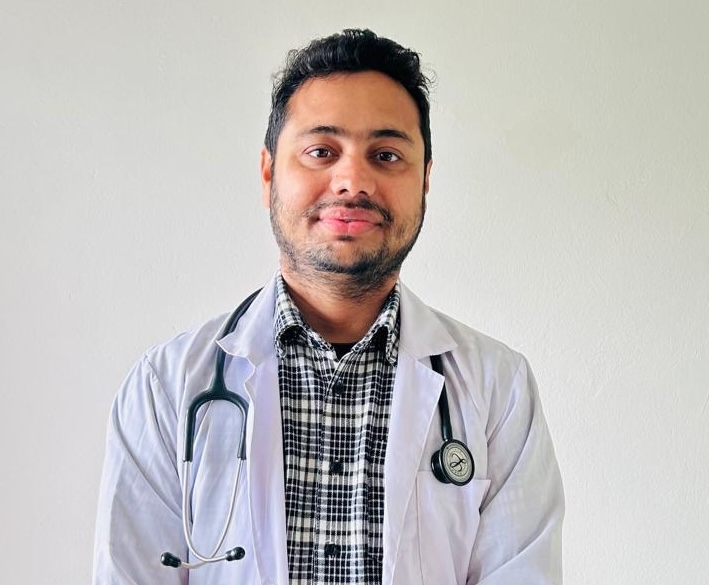
The panic and physical exertion involved in escaping a disaster can increase the risk of miscarriage, premature labor and early delivery. Falls and injuries can cause the placenta to separate prematurely from the uterus, potentially leading to severe bleeding. Delays in reaching a hospital can make such complications more dangerous, he said.
The risks do not end once survivors reach safety.
Poor nutrition can lead to anemia in pregnant and postpartum women and affect fetal growth and development. Contaminated water, unsafe food and inadequate sanitation can also increase the spread of infections, including diarrhea, typhoid, pneumonia, malaria and dengue, Khanal said.
Psychological trauma can be another lasting consequence. Pregnant and postpartum women may experience persistent fear, insomnia, loss of appetite and recurring memories of the disaster. In some cases, these symptoms may develop into post-traumatic stress disorder, he said.
The risk of postpartum mental health complications can also increase after a disaster. Severe conditions, including postpartum psychosis, require urgent medical attention, Khanal said.
Recovery Requires More Than Emergency Relief
Khanal said disaster response for pregnant and postpartum women must extend beyond evacuation and immediate medical treatment.
Authorities need to ensure safe housing, adequate food, clothing, sanitation, infection prevention and access to regular health examinations and safe delivery services.
Psychosocial counseling is important, but it cannot replace basic necessities, he said.
“Providing counseling alone without meeting basic needs will not produce effective results,” he said, emphasizing that food, shelter and sanitation must come first, alongside mental health support.
He recommended frequent monitoring during the initial recovery period — daily or every three days at first, followed by weekly and monthly check-ins.
Women experiencing severe distress, inability to eat or sleep, difficulty caring for themselves or suicidal thoughts should receive psychiatric care, he said.
Timely medical attention, adequate nutrition and proper infant care can help prevent long-term developmental problems among newborns. But inadequate feeding, exposure to cold and delayed treatment can affect a child’s physical and mental development, he added.
