







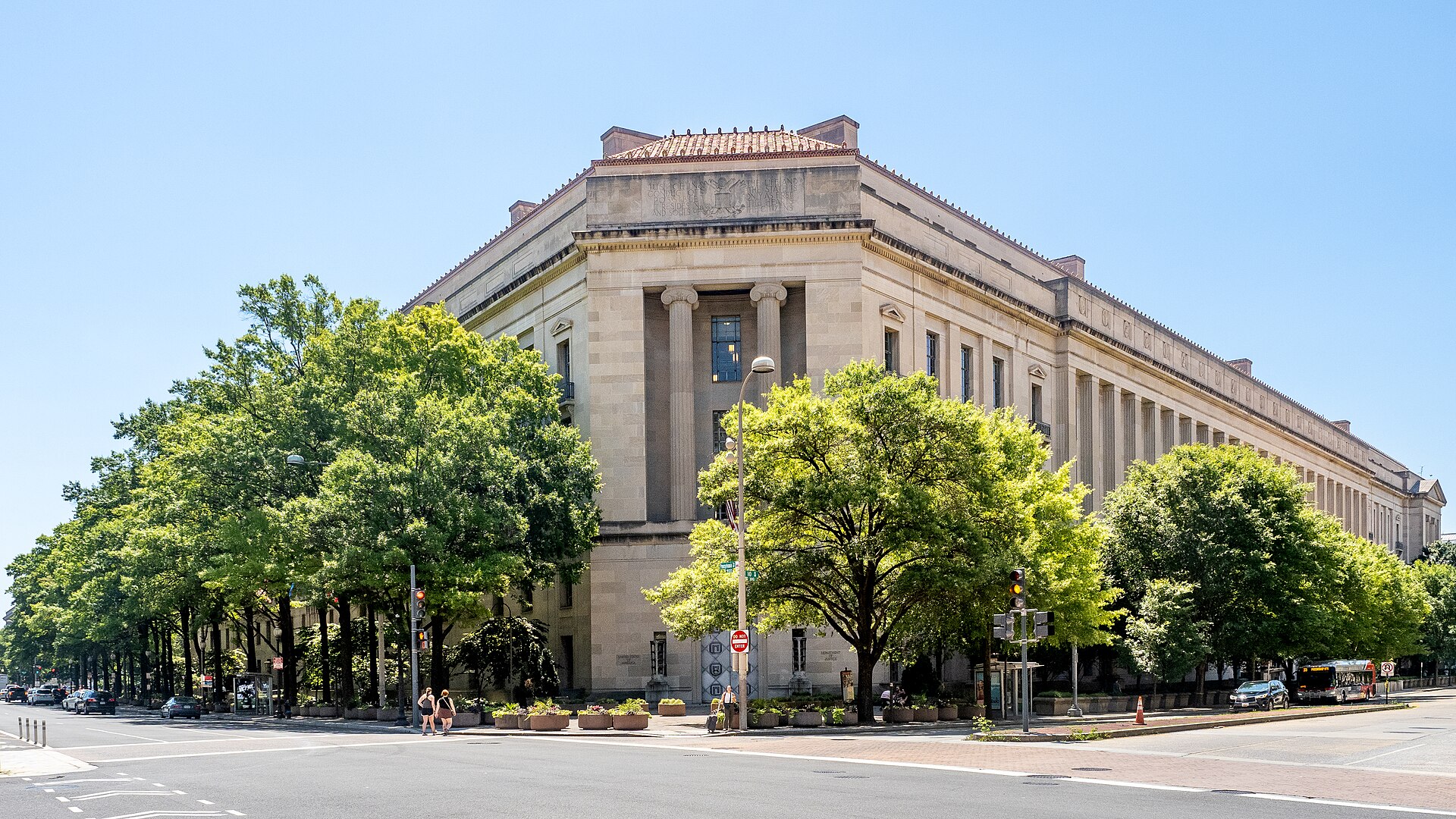
NEW YORK — The Justice Department has finalized a rule that will shorten the deadline for most immigration appeals from 30 days to 10 days and make dismissal without a written opinion the default for covered appeals, significantly changing how the Board of Immigration Appeals reviews immigration judges’ decisions.
Published Nov. 17 in the Federal Register, the rule takes effect Dec. 17. The new default-dismissal procedures apply to appeals of covered decisions issued on or after that date. Certain asylum cases will retain a 30-day appeal deadline.
Looking for job?
Click hereUnder the new procedures, a single board member generally must dismiss an appeal within 15 days of filing unless the case is referred to the full board and a majority of its permanent members votes within 10 days of filing to accept it for further review and briefing. Certain categories of appeals are exempt from the default-dismissal process.
New York-based immigration attorney Khagendra G.C. highlighted the combination of shorter filing deadlines and a requirement that appellants identify their arguments in the initial notice of appeal. Arguments not raised in that notice will be treated as waived, potentially limiting the issues the board can consider during its review.
“Most appeals: cut from 30 days to 10 days,” G.C. wrote in his summary. “Any argument not raised in the Notice of Appeal is treated as waived.”

New York-based immigration attorney Khagendra G.C., who explained the implications of the Justice Department’s new rule shortening immigration appeal deadlines.
Asylum Appeal Deadlines Depend on the Reason for Denial
The rule preserves a 30-day appeal period for asylum applications that are not denied under three specified statutory bars: safe-third-country agreements, the one-year asylum filing deadline and previously denied asylum applications, subject to applicable exceptions. Cases denied under those provisions will have a 10-day appeal deadline.
The department said the 10-day deadline also applies when an immigration judge invokes one of those bars and separately determines that the asylum claim fails on its merits. For example, a decision citing both the one-year filing deadline and a failure to establish a well-founded fear of persecution would carry a 10-day appeal deadline.
When the 30-day exception applies, it covers the entire case, including related claims for withholding of removal and protection under the Convention Against Torture, rather than just the asylum claim.
For oral decisions, the appeal period begins when the immigration judge announces the ruling. For written decisions, it begins when the decision is mailed or electronically served. A written summary issued after an oral ruling does not restart the appeal period, the department said.
Dismissals Will Leave Immigration Judges’ Decisions as Final Agency Rulings
The final rule establishes standardized language for dismissal orders stating that the immigration judge’s decision constitutes the final agency determination. Such orders will not include additional explanations or reasoning.
Under the regulation, a dismissal without opinion will be deemed to reflect a determination that the outcome of the case was correct, although not necessarily every part of the immigration judge’s reasoning, and that any errors were harmless or immaterial. It also indicates that the issues were governed by existing precedent and did not involve a novel application of facts, or were not significant enough to warrant a written opinion.
The department maintains that the process still requires the board to review each appeal rather than reject cases without considering them. It argues that the changes will allow the board to concentrate its resources on cases requiring additional attention.
G.C. also noted that temporary appellate immigration judges may issue summary dismissal orders but cannot vote in proceedings before the full board.
Briefing Rules Tighten
For appeals accepted for briefing, both sides generally must submit their briefs simultaneously within 20 days after the board establishes a briefing schedule. Reply briefs are generally prohibited, although the board retains the authority to request additional submissions.
Extensions will be granted only in exceptional circumstances. Ordinary workload concerns and travel plans will not qualify, according to the rule.
The rule also eliminates the requirement that immigration judges review transcripts of their oral decisions before the board adjudicates appeals. Transcripts will be prepared when warranted rather than in every case that proceeds beyond the initial dismissal stage.
Other changes clarify that appeals in practitioner disciplinary cases must be filed within 10 calendar days of decisions issued on or after Dec. 17.
The final rule also specifies that when required identity or security checks have expired, the board must wait for updated checks before issuing a dismissal that would leave a grant of immigration relief or protection in place.
Department Cites Backlog; Critics Question Safeguards
The Justice Department said the overhaul is necessary to address a growing backlog at the Board of Immigration Appeals, which increased from 35,837 cases in fiscal 2017 to 325,774 in fiscal 2026. The department argues that faster processing of new appeals will free up resources to address cases already pending.
The department received 1,615 public comments on the interim rule. Opponents argued that shorter deadlines and expanded use of summary dismissals would make it more difficult for immigrants to obtain legal representation, identify errors in immigration judges’ decisions and secure meaningful appellate review.
Those concerns were particularly pronounced for detained immigrants, children and people representing themselves. Some commenters also warned that the changes could push more cases into federal courts.
The department rejected those arguments, saying the efficiency benefits outweigh the potential burdens. It also said existing safeguards, including motions to reconsider and case-specific relief from filing deadlines under board precedent, remain available.
The final rule follows a March federal district court ruling that partially vacated three central provisions of the February interim rule on procedural grounds related to the notice-and-comment process. The provisions involved the shortened appeal deadline, the requirement to raise issues in the initial notice of appeal and the default-dismissal process.
The department said the completed public-comment process addresses the procedural deficiencies identified by the court.
The rule does not change the statutory availability of federal court review. However, such review remains subject to existing jurisdictional limits, and filing a petition for review does not automatically halt removal proceedings.
G.C. emphasized that immigrants retain the right to seek review in federal appeals courts, even as the new rule significantly changes the process and deadlines for appealing decisions within the immigration system.
Editorial note: This article is for informational purposes only and does not constitute legal advice. Individuals facing immigration proceedings should consult a qualified immigration attorney.
