

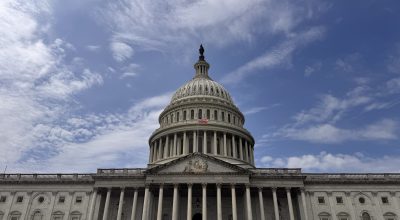






U.S. Reps. Pramila Jayapal, D-Wash., and Joe Wilson, R-S.C., and Sen. Cory Booker, D-N.J., have reintroduced bipartisan legislation aimed at raising awareness, expanding research and strengthening prevention efforts focused on heart disease among South Asian Americans.
The South Asian Heart Health Awareness and Research Act would authorize the Department of Health and Human Services to award grants to states to promote heart health awareness in South Asian communities and support research involving communities disproportionately affected by heart disease.
Looking for job?
Click hereThe legislation would allow grants to be used to develop culturally appropriate materials on nutrition, diet and exercise; support heart health programs run by community organizations; and fund conferences and workshops on research practices and the inclusion of disproportionately affected communities in scientific studies.
The bill also would direct the HHS secretary to submit a report to Congress on grant activities and data collected on heart disease in disproportionately affected communities. It would authorize funding for the programs through 2028.
“As the first South Asian American woman ever elected to the House of Representatives, I’m fully committed to increasing understanding of heart disease and the unique risk factors in the South Asian community while ensuring that all those living with it get the resources, treatment, and support they need,” Jayapal said in a statement.
“Heart disease has been the leading cause of death for over a century, and it is even more dire in the South Asian community,” she said. “The South Asian Heart Health Awareness and Research Act is essential legislation that ensures that we have the research, resources, and treatments to prevent heart disease cases and deaths in the South Asian community and beyond.”
Wilson said the legislation would expand research and education to communities that experience disproportionate rates of heart disease.
“Heart disease disproportionately affects certain populations such as the South Asian community, and this bill will expand research and education to benefit those communities,” Wilson said. “I am grateful that this bipartisan bill passed the House in multiple previous Congresses, and I look forward to its final passage into law.”
Booker said the legislation would direct research funding toward better understanding cardiovascular risk factors among South Asian Americans.
“Heart disease is taking South Asian Americans from their families at rates the medical community still doesn’t fully understand,” Booker said. “This bill puts real research dollars behind the risk factors hiding in plain sight, so doctors can catch what they’ve been missing.”
Studies have found that South Asians in the United States — including people who immigrated from or whose families immigrated from countries such as India, Pakistan, Bangladesh, Sri Lanka and Nepal — face elevated cardiovascular risks.
Research published by the American Heart Association has highlighted the high burden of heart disease among South Asians in the United States. The lawmakers’ announcement cited research indicating that South Asians face four times the risk of heart disease compared with the general population.
South Asians make up about 25% of the world’s population but account for a disproportionate share of global heart disease cases, according to studies cited in the announcement. Northwestern University research found that South Asian adults in the United States can develop cardiovascular risk factors at younger ages, while Stanford Health Care has documented the elevated cardiovascular disease burden affecting South Asian populations.
The legislation’s sponsors also pointed to gaps in federal health data. Research agencies within HHS do not consistently disaggregate health data for South Asian Americans, making it more difficult to examine cardiovascular disease patterns within the population, according to the lawmakers.
Heart disease remains a major public health issue in the United States. According to the Centers for Disease Control and Prevention, cardiovascular disease causes one death in the United States about every 34 seconds. The lawmakers also cited research showing that annual U.S. costs associated with heart disease, including indirect costs, exceed $500 billion and could surpass $1 trillion by 2035, according to the American Journal of Cardiology.
The bill would focus on culturally appropriate prevention and community outreach. Grant-funded programs could provide information on nutrition and optimal diets, promote regular exercise and support community organizations serving populations disproportionately affected by heart disease.
The legislation also would support conferences and workshops designed to improve research practices and encourage greater participation by underrepresented communities in scientific studies.
“South Asian Americans have faced a disproportionate burden of cardiovascular disease for far too long, while gaps in data, research, and culturally responsive prevention continue to limit our ability to address it,” said Samira Khan, MPH, CHES, president of the South Asian Public Health Association.
“The South Asian Heart Health Awareness and Research Act is an important commitment to changing that by investing in the evidence and community-based public health efforts needed to prevent disease and improve outcomes,” Khan said.
The legislation is sponsored by Reps. Nanette Barragán, D-Calif.; Brian Fitzpatrick, R-Pa.; Henry Johnson, D-Ga.; Ro Khanna, D-Calif.; Adam Smith, D-Wash.; Suhas Subramanyam, D-Va.; and Shri Thanedar, D-Mich.
The bill has been endorsed by the American Heart Association, Asian Pacific American Medical Student Association, El Camino Health, Indian American Impact, MASALA Study, National Asian Pacific American Women’s Forum, South Asian Health Initiative and South Asian Public Health Association.
The legislation has passed the House in multiple previous Congresses but has not become law, according to the lawmakers’ announcement.
