






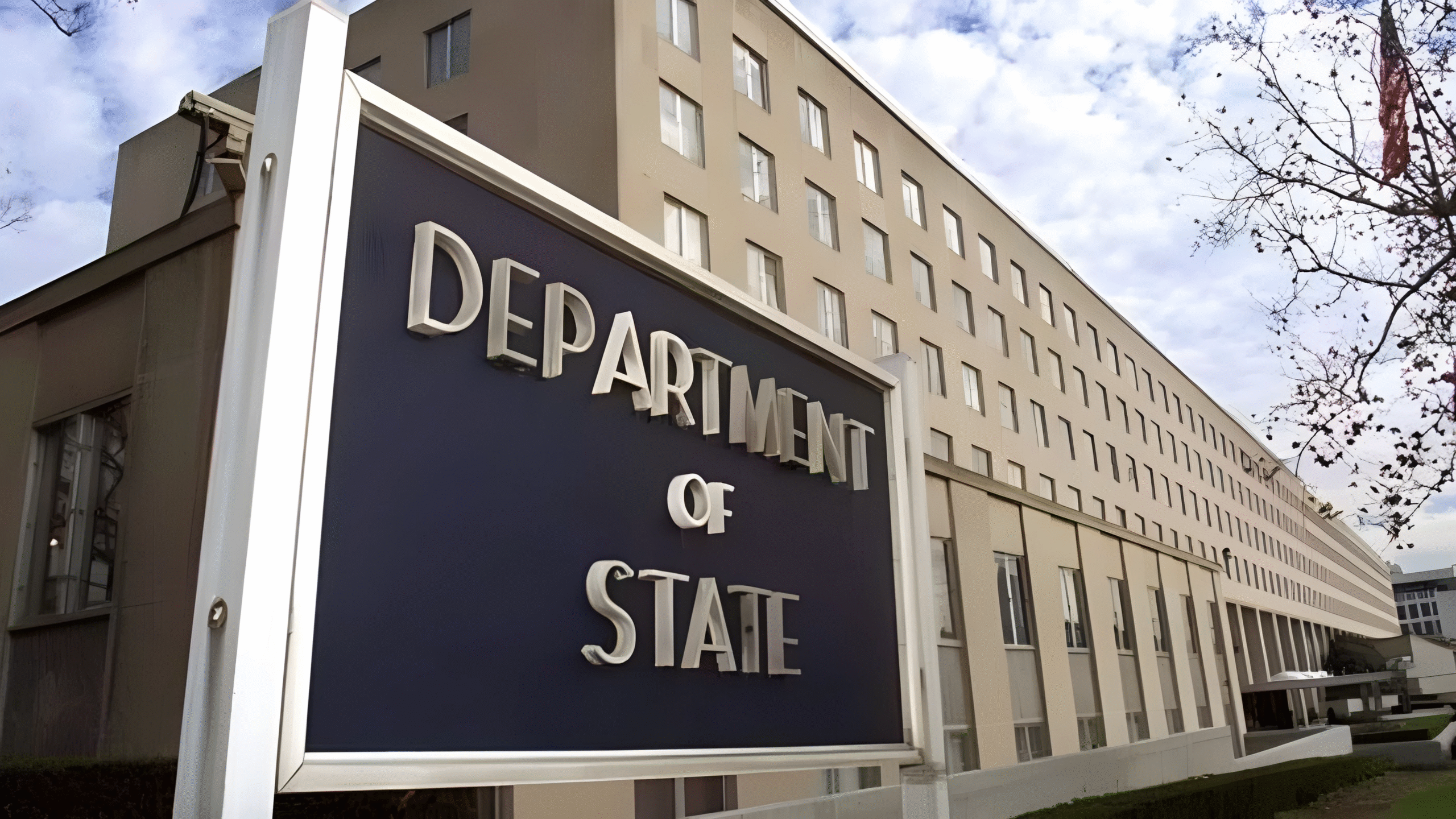
The State Department said a January pause on immigrant visa issuance to nationals of 75 countries, including Nepal, is no longer in effect following a federal court ruling that struck down the policy.
The change took effect Aug. 21 under an order by U.S. District Judge Jeannette A. Vargas of the Southern District of New York in Catholic Legal Immigration Network Inc. v. Rubio et al., the department said.
Looking for job?
Click hereIn her Aug. 21 ruling, Vargas vacated the State Department’s policy suspending immigrant visa issuance to nationals of the 75 designated countries and set aside visa refusals based solely on the policy. Those cases were remanded to consular officers for further proceedings.
NepYork asked the State Department whether it had resumed issuing immigrant visas to otherwise eligible applicants from all 75 affected countries, including Nepal. The department did not directly answer the question.
Instead, a State Department spokesperson said the Trump administration was “protecting the American people by upholding the highest standards of screening and vetting of visa applicants.”
“As of August 21, 2026, in accordance with the Court’s order in CLINIC et al. v. Rubio et al., the January 2026 pause of immigrant visa issuance to nationals of 75 countries is no longer in effect,” the spokesperson said.
Court strikes down nationality-based policy
The lawsuit was brought by immigration advocacy organizations, immigrant visa applicants from designated countries and U.S. citizens seeking to bring relatives to the United States.
Vargas ruled that the nationality-based policy violated provisions of the Immigration and Nationality Act and related regulations governing immigrant visa issuance and refusals. She also concluded that Secretary of State Marco Rubio exceeded his statutory authority by directing consular officers to refuse immigrant visas to nationals of the designated countries.
“The Policy, which categorically prohibits the issuance of immigrant visas based upon the nationality of the applicant, represents a direct abrogation of this statutory scheme,” Vargas wrote in her 61-page opinion.
The judge said Congress had assigned consular officers the authority to individually assess immigrant visa applicants and determine whether they were eligible for visas. The court found that the blanket policy improperly predetermined the outcome for applicants based solely on their nationality.
Vargas also rejected the government’s reliance on the Supreme Court’s 2018 decision in Trump v. Hawaii, which upheld a presidential entry restriction affecting nationals of several countries. She distinguished that case from the visa suspension, noting that restrictions on admission to the United States are different from restrictions on visa issuance.
“There is no question that the Policy at issue here regulates visa issuance,” Vargas wrote.
The court further found that Rubio exceeded his authority by directing consular officers that they “must refuse” immigrant visas for nationals of the designated countries. According to Vargas, the directive improperly predetermined visa outcomes and displaced consular officers from the role Congress assigned them in the visa process.
What the ruling means for applicants
The ruling vacates the 75-country suspension itself and sets aside immigrant visa refusals that were based solely on the policy. Those cases must be returned to consular officers for further proceedings consistent with the court’s ruling.
However, the ruling does not require consular officers to automatically issue visas to affected applicants. It also does not overturn refusals based on independent legal grounds, such as other grounds of inadmissibility under the Immigration and Nationality Act.
Vargas granted summary judgment to the plaintiffs on claims that the policy was contrary to law and exceeded the secretary of state’s statutory authority. She ruled for the government on a separate claim that the policy was subject to notice-and-comment rulemaking requirements. The parties were ordered to submit a joint letter by Sept. 11 outlining how they propose to address the remaining claims.
Pause began in January
The State Department imposed the pause Jan. 21 as it reviewed screening and vetting policies. The department said the review was intended to ensure that immigrants from what it described as high-risk countries did not unlawfully use public welfare benefits or become a public charge in the United States.
The policy applied to immigrant visa applicants from 75 countries, including Afghanistan, Albania, Algeria, Antigua and Barbuda, Armenia, Azerbaijan, the Bahamas, Bangladesh, Barbados, Belarus, Belize, Bhutan, Brazil, Burma, Cambodia, Cameroon, Cape Verde, Colombia, Côte d’Ivoire, Cuba, the Democratic Republic of the Congo, Dominica, Egypt, Eritrea, Ethiopia, Fiji, The Gambia, Georgia, Ghana, Grenada, Guatemala, Guinea, Haiti, Iran, Iraq, Jamaica, Jordan, Kazakhstan, Kosovo, Kuwait, Kyrgyz Republic, Laos, Lebanon, Liberia, Libya, Moldova, Mongolia, Montenegro, Morocco, Nepal, Nicaragua, Nigeria, North Macedonia, Pakistan, the Republic of the Congo, Russia, Rwanda, Saint Kitts and Nevis, Saint Lucia, Saint Vincent and the Grenadines, Senegal, Sierra Leone, Somalia, South Sudan, Sudan, Syria, Tanzania, Thailand, Togo, Tunisia, Uganda, Uruguay, Uzbekistan and Yemen.
During the pause, applicants could submit visa applications and attend visa interviews, and the department continued to schedule appointments. However, immigrant visas were not issued under the suspension.
The guidance exempted dual nationals who applied with a valid passport from a country not subject to the pause. Children being adopted by U.S. citizens could also qualify for exceptions, including national-interest exceptions under Presidential Proclamation 10998.
The policy did not revoke immigrant visas that had already been issued and did not apply to tourist visas or other nonimmigrant visas, according to the department.
The court’s ruling means the blanket 75-country suspension is no longer in effect, but affected applicants whose cases were previously refused solely under the policy may still need further processing by the relevant U.S. consulate.
