



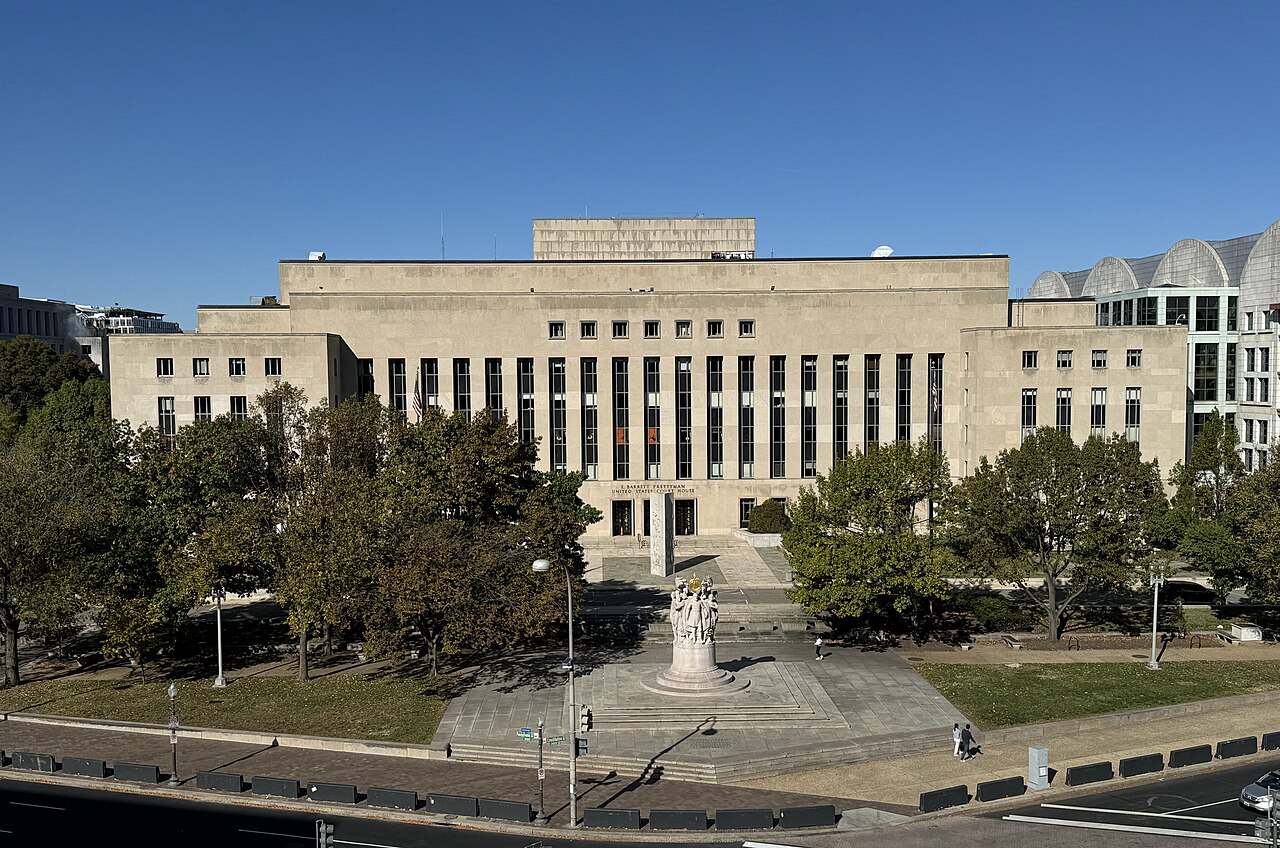
A federal judge on Tuesday ruled that the Trump administration unlawfully halted key parts of the Diversity Visa program, ordering the government to resume processing applications for hundreds of named 2026 lottery selectees and their eligible family members before the program’s Sept. 30 deadline.
U.S. District Judge Richard J. Leon of the U.S. District Court for the District of Columbia granted plaintiffs partial summary judgment in three consolidated cases — Ivanov v. Trump, Chersak v. Department of State, and Saito v. Department of State — challenging directives that had effectively stopped Diversity Visa adjudications and issuances.
Looking for job?
Click hereThe ruling does not immediately apply to all Diversity Visa applicants. Leon’s order is limited to the named plaintiffs in the lawsuits and their derivative beneficiaries, such as qualifying spouses and children.
What the Judge Ruled
Leon declared unlawful, as applied to the plaintiffs, three specific federal policies.
First, he struck down a Dec. 19, 2025 U.S. Citizenship and Immigration Services directive that placed Diversity Visa adjustment-of-status applications on hold for selectees already in the United States.
Second, he invalidated a Dec. 20, 2025 State Department directive instructing consular officers to refuse Diversity Visa applications under Section 221(g) of the Immigration and Nationality Act.
Third, he set aside a Jan. 14, 2026 State Department policy requiring visa refusals for immigrant-visa applicants from 75 designated countries — a policy described in the litigation as the “Public Charge Pause.”
The judge ordered the State Department, USCIS and senior administration officials not to apply those policies to the covered plaintiffs. The State Department must, where practicable, take reasonable steps to reconsider applications that were refused solely because of the Diversity Visa or public-charge policies. USCIS must resume ordinary processing of covered adjustment-of-status applications.
The government must submit a compliance report within 14 days and continue filing reports every 14 days through Sept. 30, 2026.
Judge Cites Lack of Explanation
In a 34-page opinion, Leon said the administration had identified legitimate national-security interests in screening visa applicants, but had not provided a reasoned basis for broad, categorical suspensions affecting Diversity Visa selectees.
“The administrative records do not provide a reasoned explanation for the sweeping, categorical nature of the policies at issue,” Leon wrote. He found the USCIS and State Department Diversity Visa pauses unlawful under the Administrative Procedure Act.
Leon separately held that the public-charge policy was unlawful because it replaced the individualized public-charge determination required by Congress with what the court described as a nationality-based bar to visa issuance.
The judge rejected the government’s argument that the directives were beyond judicial review because immigration processing decisions are committed to agency discretion. While agencies retain discretion over individual visa decisions, Leon wrote, Congress requires that immigrant visa applications be reviewed and adjudicated by consular officers and provides standards governing refusals and public-charge assessments.
Time Pressure for Selectees
The case is particularly urgent because Diversity Visa selectees may receive visas only during the fiscal year for which they were selected. Applicants who are not issued visas by Sept. 30 lose eligibility for the 2026 program, regardless of whether delays were caused by the government.
The Diversity Visa program makes up to 55,000 immigrant visas available annually to people from countries with historically lower levels of immigration to the United States. Lottery selection does not guarantee a visa; selectees must still complete screening, interviews and other eligibility requirements.
The consolidated lawsuits included 738 selectee families in Ivanov, 137 selectees in Chersak and 277 plaintiffs in Saito, according to the opinion. Some applicants were seeking immigrant visas through U.S. consulates abroad, while others were seeking adjustment of status through USCIS from inside the United States.
Limits of the Decision
Leon also ruled for the government on several claims, including allegations of unlawfully withheld agency action, unreasonable delay, requests for mandamus relief, and constitutional claims raised in Ivanov. He dismissed a separate challenge concerning the delayed opening of the 2027 Diversity Visa registration period, finding that the 2026 selectees had not shown a sufficiently concrete injury to establish standing on that issue.
The decision leaves open the possibility of further litigation or an appeal. It also does not require the government to approve visas; rather, it requires covered applicants to receive ordinary, individualized consideration without the three challenged blanket policies.
