





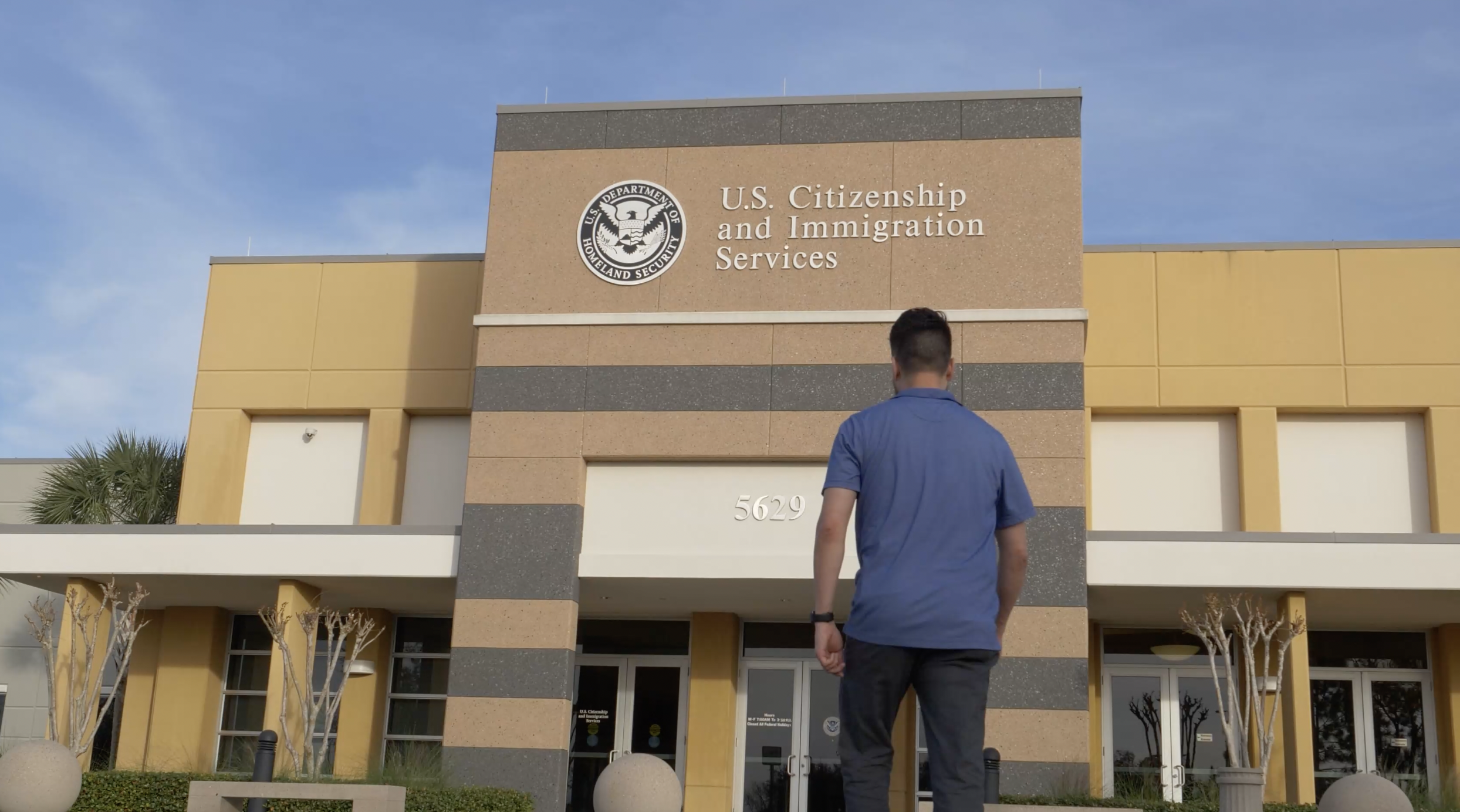
U.S. Citizenship and Immigration Services (USCIS) will implement stricter procedures Aug. 21 for individuals with affirmative asylum applications. The changes require applicants to meet a higher standard when requesting to reschedule an interview, submit supporting evidence earlier and explain missed biometric appointments within 10 calendar days.
The changes apply to applicants who have filed Form I-589, Application for Asylum and for Withholding of Removal, with USCIS. Failure to comply could result in the dismissal of an asylum application for individuals who have a lawful basis to remain in the United States or the referral of the case to an immigration judge for those who do not.
Looking for job?
Click hereMissed Interviews Could Lead to Dismissal
Under the updated procedures, applicants who miss an affirmative asylum interview must submit a request to reschedule either before the scheduled interview or within 10 calendar days after the missed appointment. USCIS will no longer issue a separate “Failure to Appear Warning” notice after an applicant misses an interview.
Applicants who fail to appear and do not submit a timely rescheduling request will face different consequences depending on their immigration status. USCIS may dismiss the asylum application if the applicant has a lawful basis to remain in the United States. If the applicant lacks a lawful basis to remain in the country, USCIS may refer the application to an immigration judge.
For parolees who miss an asylum interview, USCIS will determine whether the purpose of their parole has been served. The agency will also decide, on a case-by-case basis, whether to terminate parole and refer the case to an immigration judge.
Applicants requesting a rescheduled interview must provide evidence explaining why they could not attend. USCIS will review the circumstances on a case-by-case basis and may require additional documentation or information to support the request.
“Information about rescheduling an asylum interview and establishing exceptional circumstances will be available on the Establishing Exceptional Circumstances for Rescheduling Affirmative Asylum Interviews webpage once the new procedures are in effect,” a USCIS alert reads.
Evidence Due 14 Days Before Interview
Beginning Aug. 21, asylum applicants must submit all evidence supporting their applications to the asylum office at least 14 calendar days before the scheduled interview.
Evidence submitted fewer than 14 calendar days before the interview may not be included with the asylum application, according to USCIS. The agency may also reschedule the interview because of late evidence.
A rescheduled interview caused by late evidence could affect an applicant’s eligibility for an Employment Authorization Document (EAD). USCIS considers certain applicant-caused delays when determining eligibility under the 180-day asylum employment authorization clock.
The new evidence deadline is separate from the original filing of Form I-589. Applicants with pending asylum cases should carefully review their interview notices and USCIS instructions to determine where and how additional evidence must be submitted. USCIS guidance states that applicants should generally submit additional evidence directly to the local asylum office processing the case rather than to a lockbox or the USCIS Asylum Intake Unit.
New Deadline for Biometrics Requests
USCIS is also updating procedures for affirmative asylum applicants who miss a biometric services appointment.
Applicants who fail to attend a biometric appointment must request a new appointment within 10 calendar days of the missed appointment. Requests may be submitted through a USCIS online account or by calling the USCIS Contact Center.
The request must include evidence of the exceptional circumstances that caused the applicant to miss the appointment. USCIS stated that failure to submit the request and supporting evidence, or failure to establish exceptional circumstances, may result in dismissal of the asylum application if the applicant has a lawful basis to remain in the United States.
If the applicant lacks a lawful basis to remain in the country, USCIS may refer the application to an immigration judge. For parolees, USCIS will determine whether the purpose of parole has been served and will decide on a case-by-case basis whether to terminate parole and refer the case to an immigration judge.
Biometric appointments generally involve collecting fingerprints, photographs and signatures for identity verification, as well as required background and security checks. Applicants should bring their appointment notice and valid photo identification to their scheduled appointment.
EAD Eligibility May Be Affected
The new procedures could have consequences beyond the asylum application itself.
USCIS treats certain missed appointments and rescheduling requests as applicant-caused delays. Such delays can affect the 180-day period used to determine eligibility for an EAD based on a pending asylum application.
Under USCIS guidance, the delay generally remains unresolved until the applicant appears at the rescheduled interview. If the application is dismissed or referred to immigration court, the applicant may also lose eligibility for an EAD based on the pending asylum application unless they successfully establish exceptional circumstances under the applicable procedures.
Applicants Urged to Act Quickly
Applicants who cannot attend an asylum interview should not wait for a warning notice from USCIS. They should submit a rescheduling request before the appointment whenever possible. Applicants who have already missed an interview should act within the 10-calendar-day window and provide a detailed explanation along with available supporting evidence.
Applicants who miss a biometric appointment should likewise submit a request within 10 calendar days. They should retain copies of the request, supporting documents and any confirmation showing that the materials were submitted.
USCIS notes that affirmative asylum is generally available to people who are physically present in the United States, are not U.S. citizens and are not currently in immigration court proceedings, subject to the eligibility and filing requirements for Form I-589. Individuals already in proceedings before the Executive Office for Immigration Review (EOIR) must pursue defensive asylum through immigration court rather than filing with USCIS.
Detailed USCIS guidance on rescheduling affirmative asylum interviews and establishing exceptional circumstances is available on the agency’s website. The updated procedures take effect Aug. 21, 2026.
