




U.S. Imposes New Import Restrictions on Nepal’s Archaeological and Religious Artifacts

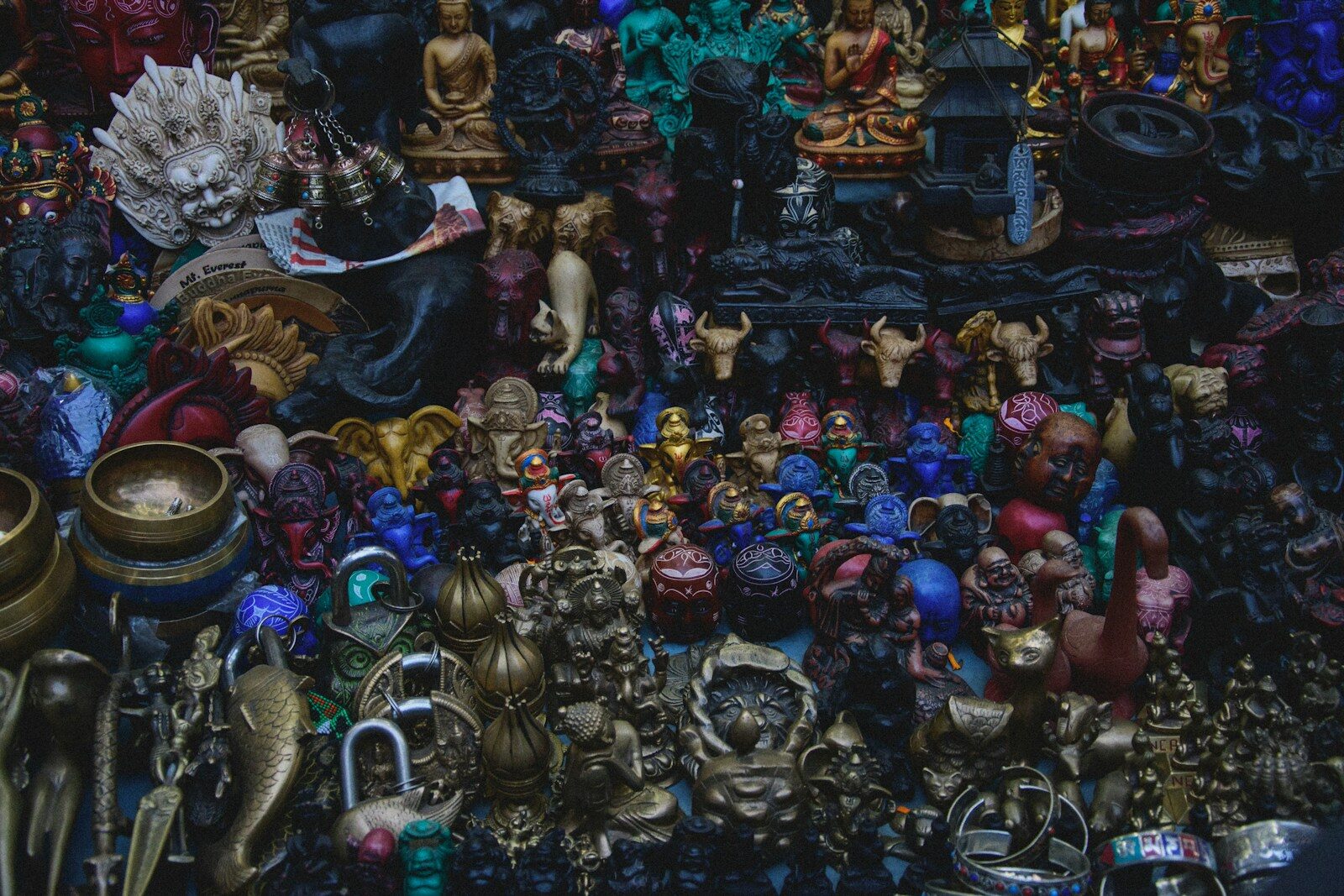
Photo by David Vilches
The United States has imposed new import restrictions on a broad range of archaeological and ethnological materials from Nepal, a move intended to curb trafficking and pillaging of the country’s cultural heritage, U.S. Customs and Border Protection (CBP) announced in a final rule published Wednesday.
The restrictions, effective Aug. 12, cover specified archaeological materials dating from approximately 32,000 B.C.E. through 1770 C.E., as well as ethnological objects dating from the 13th century through 1950. The rule follows a bilateral cultural-property agreement signed by the United States and Nepal on Jan. 8 and will remain in effect through Jan. 8, 2031, unless extended.
Under the rule, designated objects cannot enter the United States unless importers meet documentation and other entry requirements under federal cultural-property law and CBP regulations. CBP amended its regulations to add Nepal to the list of countries with bilateral agreements imposing cultural-property import restrictions.
The action was taken under the Convention on Cultural Property Implementation Act, the U.S. law that implements the 1970 UNESCO convention aimed at preventing the illicit import, export, and transfer of ownership of cultural property.
Broad Range of Objects Covered
The designated list includes archaeological materials made of stone, ceramics, metal, wood, glass, ivory, bone, leather, paper, and other organic materials. It also covers human remains that have been intentionally modified or are culturally or historically significant.
Among the listed objects are ancient and historic sculptures, religious icons, coins, weapons, tools, architectural fragments, ceremonial vessels, manuscripts, paintings, jewelry, and funerary materials.
The rule specifically identifies items associated with Nepal’s Hindu and Buddhist traditions, including thangkas, paubhas, stone and metal statuary, temple ornaments, ritual objects, prayer-related items, religious manuscripts, and carved wooden architectural features.
It also names distinctive Nepalese cultural objects such as dhunge dhara (traditional stone drinking-fountain heads); toranas (the semicircular carved panels placed above doors and windows); and tudals (the elaborately carved wooden struts used to support temple structures).
The restrictions extend to a variety of historic coins, including Lichchavi-era coins as well as medieval gold and silver mohars and copper dams. They also cover traditional weapons, including kukris, koras, ramdaos, and katars, when they fall within the designated periods and categories.
Religious and Ceremonial Heritage
The ethnological portion of the list focuses on nonindustrial or handmade religious architectural elements, religious and ceremonial items, and manuscripts dating from the 13th century through 1950.
Covered religious architectural materials include stone, wood, terracotta, and metal components from temples, shrines, and other sacred buildings. Such materials may include carved doors, windows, screens, pillars, beams, lintels, balconies, temple struts, plaques, reliefs, finials, and portable shrines.
The rule also applies to ceremonial objects used in Buddhist, Hindu, animistic, and tantric practices. These include idols, altars, bells, prayer wheels, vajras, ritual masks, conches, prayer beads, palanquins, ceremonial chariots, singing bowls, incense burners, lamps, sacred garments, and adornments for religious figures.
Handwritten and illustrated manuscripts are also covered, including sacred texts, royal court and government documents, folios, treatises, and musical scores. The materials may be written in Sanskrit, Newari, Hindi, Nepali, Ranjana, Devanagari, or mixed-language and mixed-script traditions, according to the rule.
U.S. Findings on Pillage
The State Department made the determinations required for the agreement in January 2024 after consulting the Cultural Property Advisory Committee.
The department found that Nepal’s cultural patrimony was in jeopardy from pillage; that Nepal had taken measures consistent with the UNESCO convention to protect its heritage; that U.S. import restrictions would substantially help deter serious pillage; and that the restrictions were consistent with international cultural exchange for scientific, cultural, and educational purposes.
CBP said the agreement covers archaeological material from Nepal dating from approximately 32,000 B.C.E. to 1770 C.E. and ethnological material dating from the 13th century to 1950. The government’s designated list is representative rather than exhaustive, meaning an object may be subject to restrictions even if it is not named individually, provided it fits a listed category.
Rule Took Effect Immediately
CBP issued the final rule without prior notice or public comment, stating that it involved a U.S. foreign-affairs function and therefore qualified for an exception under the Administrative Procedure Act. The agency also noted that a delayed effective date was not required for the same reason.
The restrictions are initially tied to the five-year agreement period ending Jan. 8, 2031. The agreement and restrictions may be extended for additional periods of up to five years if U.S. authorities determine that the circumstances supporting the agreement continue and there is no reason to suspend it.