







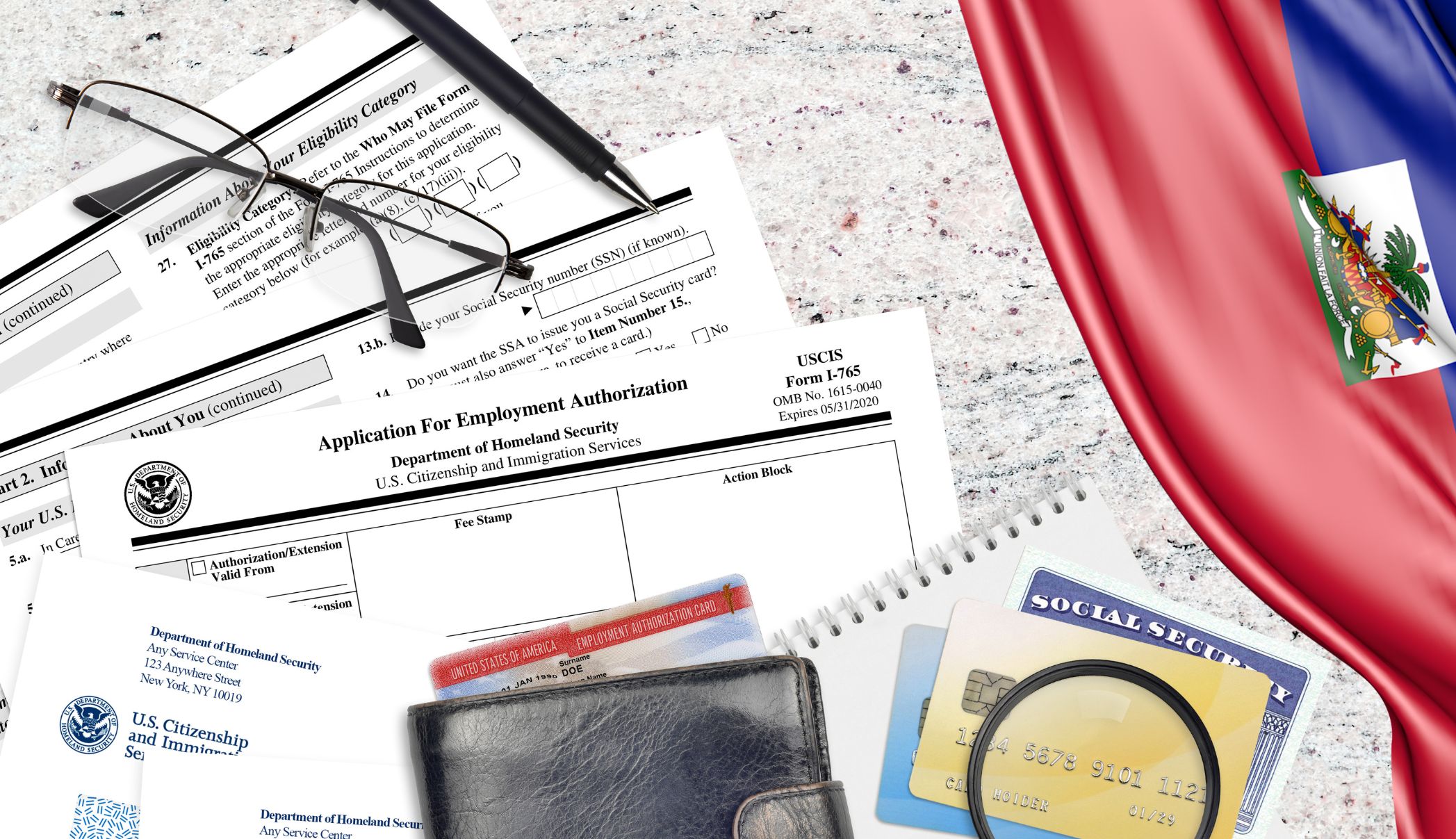
The Hotel Association of New York City is calling on the federal government to immediately reverse its decision to end Temporary Protected Status for Haitians, saying the move threatens Haitian workers, immigrant communities, and the city’s economy.
The association, known as HANYC, said Wednesday that the termination of TPS could directly or indirectly affect an estimated 1,200 Haitian New Yorkers employed in the hotel industry. Immigrants make up approximately 85% of the city’s hotel workforce, according to the association.
Looking for job?
Click hereHANYC President and CEO Vijay Dandapani voiced the organization’s support for Haitian and immigrant New Yorkers working in hospitality during The Haitian Times’ “Leading Labor in a Changing Immigration Landscape” leadership breakfast at Brooklyn College. The event was sponsored by HANYC and focused on the effects of shifting federal immigration policies on New York’s hospitality sector and Haitian and other immigrant workers.
The hotel association said it would support Haitian TPS holders by connecting them with resources, pledging foundation support, and helping workers navigate employment eligibility and access to benefits.
“As an immigrant myself, I do not take for granted the opportunities that this city and the hotel industry can offer immigrants — but only if they are allowed to live and work here without fear,” Dandapani said. “Haitian New Yorkers are a vital part of our hotel and hospitality workforce, and their contributions strengthen our businesses and our city every day.”
He said the association would continue to support Haitian hotel workers and their communities, and urged the federal government to reverse the TPS termination.
“Protecting our immigrant workforce is essential to protecting New York City’s economy and ensuring that our city remains a place where everyone has the opportunity to build stable lives and contribute to our shared future,” Dandapani said.
HANYC said hotels offer immigrant workers some of the nation’s best wages and benefits, providing opportunities for workers and their families to achieve economic mobility. The association said ending TPS for Haitian New Yorkers would endanger workers’ livelihoods and their ability to support their families while also affecting businesses and communities that depend on them.
The organization joined Haitian community leaders and advocates, including the Haitian Chamber of Commerce, in calling for TPS to be reinstated for Haitians. HANYC also cited support from City Council Members Farah Louis and Rita Joseph, Assemblymember Clyde Vanel, and other city and state elected officials, including Mayor Zohran Mamdani, Attorney General Letitia James, the Brooklyn borough president, and the public advocate.
Ron Cetoute, president of the Federation of Haitian Chambers of Commerce, said the effects of ending TPS would extend beyond TPS holders and their families.
“Haitian immigrants are workers, entrepreneurs, consumers, and taxpayers who contribute every day to New York’s economy and to communities across the country,” Cetoute said. “Removing thousands of people from the workforce would destabilize families, disrupt businesses, and weaken local economies.”
Cetoute said Haitian-owned businesses also create jobs and economic opportunities for others. He praised HANYC for recognizing the importance of Haitian immigrants to the economy, saying the business community has an interest in ensuring Haitian immigrants can continue to live, work, and contribute “with stability and dignity.”
Fred Raphael, owner of First Republic Lounge & Restaurant in Elizabeth, New Jersey, and Rebèl Restaurant & Bar on the Lower East Side, said Haitian workers are essential to the restaurant and hospitality workforce.
“They are cooks, servers, managers, professionals, neighbors, and parents who have worked hard, raised families, contributed to their communities, and invested years of their lives in this country,” Raphael said. “Ending Temporary Protected Status would upend the lives of hardworking people while also removing experienced, valued employees from businesses that have long depended on their contributions.”
Raphael said the hospitality industry depends heavily on immigrant employees, but added that the issue goes beyond labor needs.
“It is about people who have helped build our businesses, strengthen our communities, and become part of the fabric of this country,” he said. “Our industry should stand with them and advocate for their ability to continue building their lives here.”
Marie Lily Cerat, director of the CUNY Haitian Studies Institute at Brooklyn College and a faculty member in Brooklyn College’s Africana Studies Department, said the potential loss of TPS would affect New York City’s economy and community stability.
“Haitian New Yorkers have spent decades helping to build and sustain this city — as workers, business owners, homeowners, parents, and civic leaders,” Cerat said. “In the hospitality industry in particular, Haitian workers are part of the infrastructure that keeps New York functioning.”
Forcing Haitian TPS holders and their families into uncertainty would create consequences extending beyond those directly covered by the program, Cerat said. She welcomed HANYC’s commitment to stand with Haitian employees and its recognition that protecting immigrant workers also protects the city’s economic and social fabric.
Founded in 1878, HANYC describes itself as the nation’s oldest hotel association and one of the country’s oldest professional trade associations. The group represents nearly 300 New York City hotels with more than 80,000 rooms and approximately 50,000 employees, and is a leading organization in the city’s $11 billion tourism industry.
