
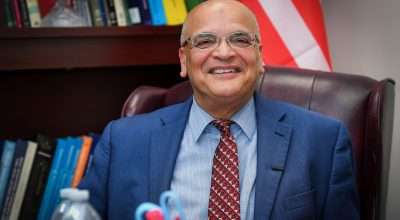

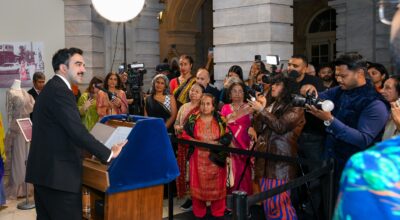

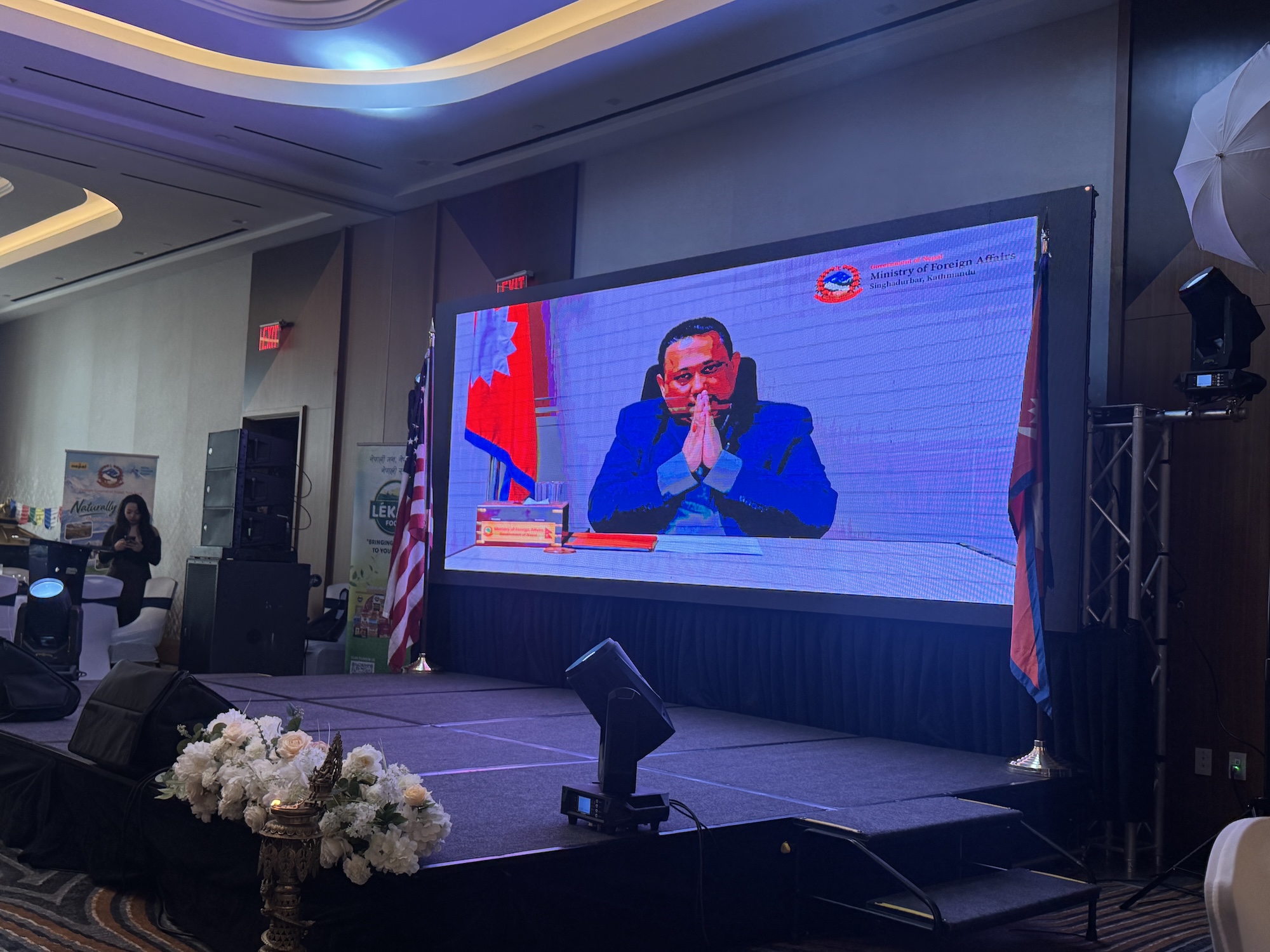
NEW YORK — Nepal is seeking to deepen economic cooperation with the United States in technology, clean energy, climate-resilient infrastructure and entrepreneurship, Foreign Minister Shisir Khanal said Saturday in a video address to the second day of the Nepali American Business & Investment Summit (NABIS 2026) in New York.
Addressing business leaders, entrepreneurs, lawmakers, diplomats and members of the Nepali diaspora, Khanal said Nepal wants to build a $100 billion economy through investment, innovation, entrepreneurship and greater engagement with its diaspora.
Looking for job?
Click hereKhanal, who could not attend the summit in person because of commitments in Nepal, congratulated the Greater New York Nepali Chamber of Commerce and its president, Pradip Shrestha, for organizing the gathering. He also acknowledged the support of the Consulate General of Nepal in New York.
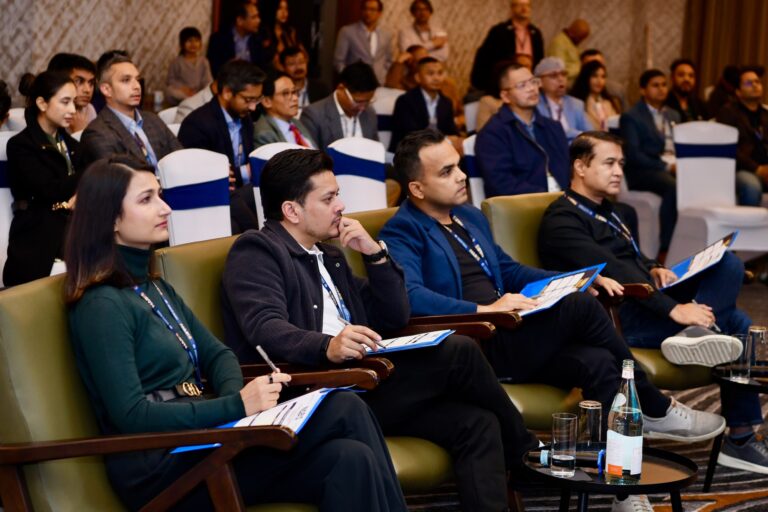
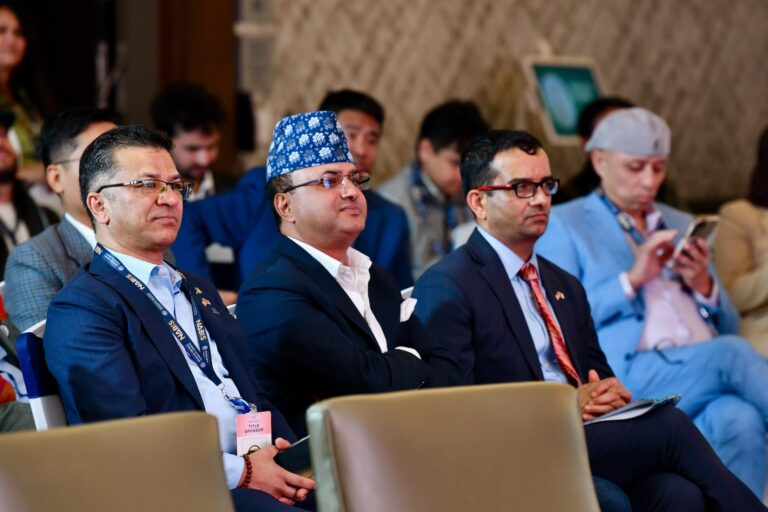
The summit, held under the theme “Connecting Capital, Ideas & Opportunities,” brings together Nepali American entrepreneurs, investors and government representatives to explore business partnerships and investment opportunities between Nepal and the United States.
“Nepal is pursuing economic transformation, prioritizing good governance, policy predictability, digital transformation, infrastructure and private sector growth,” Khanal said in his recorded remarks. “Our goal is to create an environment where business thrive, investment grows and young Nepalis find meaningful opportunities.”
He said the government wants to create conditions that encourage businesses to expand, attract investment and provide employment opportunities for young people.
Khanal also highlighted the nearly eight decades of diplomatic relations between Nepal and the United States, noting that the two countries will mark the 80th anniversary of their relationship in 2027.
He identified three areas with significant potential for stronger economic cooperation.
The first is technology and digital transformation. Khanal said Nepal’s young workforce, growing digital capabilities and clean energy resources could create opportunities for American investment and collaboration.
He pointed to Nepal’s hydropower potential as a resource that could support digital infrastructure, cloud computing and emerging technologies. Cooperation in artificial intelligence, entrepreneurship and skills development, he said, could help Nepal participate more fully in the global digital economy.
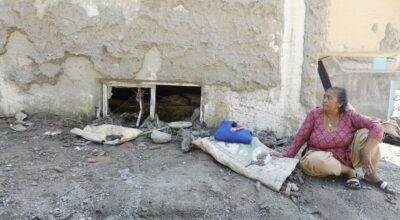
The second area is climate resilience and sustainable infrastructure. Referring to recent devastating floods in Nepal, Khanal said the disasters had underscored the need to build safer and more resilient communities.
Through its Sagarmatha to Sea initiative, Nepal is seeking greater international cooperation on climate challenges, he said. He urged Nepali Americans to contribute their expertise, investment and business partnerships to support climate-resilient infrastructure and sustainable development.
The third priority is diaspora-driven economic diplomacy.
Khanal described the Nepali diaspora as one of the country’s greatest strengths, saying its businesses, professional achievements and international networks had helped establish valuable connections between Nepal and the United States.
He encouraged Nepali Americans to take a more active role in Nepal’s economic development as investors, innovators, entrepreneurs and business partners.
“NABIS offers a platform to advance these priorities,” he said, specifically welcoming the summit’s startup pitch showcase and business matchmaking sessions.
He said those activities could help turn promising business ideas into enterprises, investments and long-term partnerships.
Nepal’s diplomatic missions, he added, remain committed to supporting initiatives that advance the country’s economic interests internationally.
Khanal expressed hope that NABIS would develop into an annual platform for trade, investment and innovation as Nepal and the United States approach the 80th anniversary of their diplomatic relationship.
“Your achievements have opened doors in the US. Together, we can open new doors for Nepal’s future,” he said.
The three-day NABIS 2026 summit, organized by the Greater New York Nepali Chamber of Commerce with support from the Consulate General of Nepal in New York, began Friday with startup presentations, investment discussions and business networking.
Saturday’s program includes an official opening ceremony, panel discussions on technology, artificial intelligence, Nepal’s economic outlook, bilateral trade and investment, and a gala dinner. Sunday’s closing-day activities are scheduled to focus on business matchmaking and discussions connecting entrepreneurs with government representatives.
