





NEW YORK — Travelers entering the United States may generally bring roasted coffee, thoroughly dried tea and standard ground spices for personal use, but they must declare all agricultural products to U.S. Customs and Border Protection.
In guidance published Nov. 10, CBP said commercially packaged products are generally allowed, but certain plant ingredients can make tea, coffee or spices subject to restrictions or prohibitions.
Looking for job?
Click hereTravelers who declare all agricultural products will not face penalties if an inspector determines that the items cannot enter the country, the agency said. However, failing to declare prohibited agricultural products can result in a civil penalty of up to $1,000 for a first offense involving noncommercial quantities. Undeclared prohibited items may also be confiscated and destroyed, according to CBP.
Tea or spices containing fruit or vegetable leaves or seeds, including citrus leaves or seeds, are generally prohibited, according to the agency’s guidance.
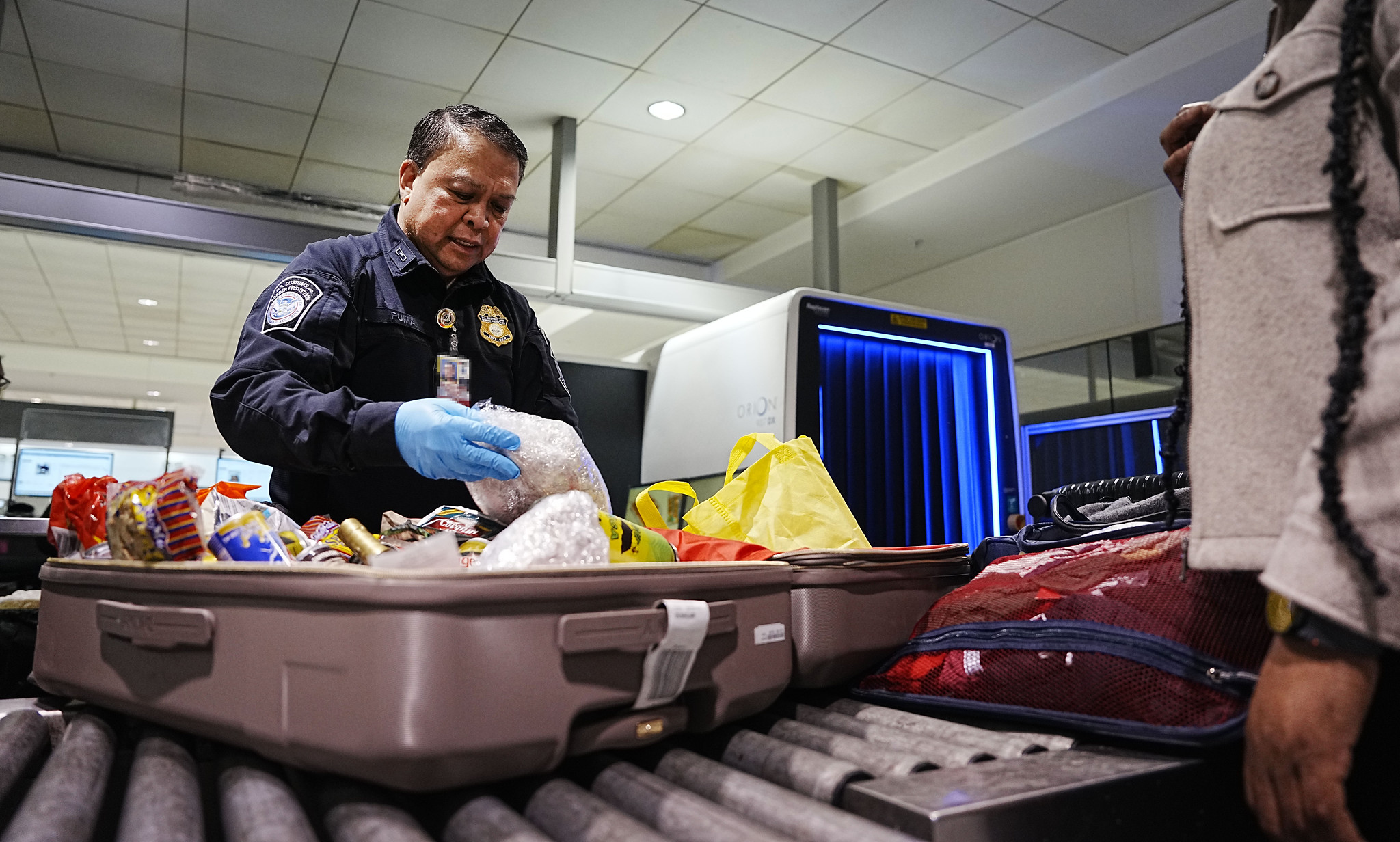
CBP agriculture specialists inspect products to determine whether they meet entry requirements and pose a risk of introducing harmful foreign pests or diseases. These specialists have the final authority to decide whether an item may enter the United States.
The agency recommends keeping receipts and original packaging to help establish a product’s country of origin. Travelers must declare agricultural products on Customs Declaration Form 6059B.
The declaration requirement applies to agricultural and animal products in checked luggage, carry-on bags and vehicles, as well as items travelers carry on their person. Travelers must present the products for inspection even if they believe the items are permitted, CBP said.
Coffee seeds and other plant parts intended for planting are prohibited from entering Hawaii or Puerto Rico. Some plant varieties also face specific restrictions because they are protected as threatened or endangered species.
Certain fresh plant parts and restricted botanical ingredients are subject to strict limits or prohibitions under regulations enforced by the U.S. Department of Agriculture’s Animal and Plant Health Inspection Service and the Food and Drug Administration, CBP said.
Separate requirements apply when consumers order these products from foreign businesses for shipment to the United States. The business must submit prior notice to the FDA before mailing the food, according to the guidance.
Food carried in a traveler’s personal baggage or sent by one individual to another person in the United States is exempt from the prior-notice requirement. However, the exemption does not override restrictions on prohibited agricultural products.
CBP said agricultural inspections help protect U.S. crops, livestock and the environment from foreign pests and animal diseases.
