







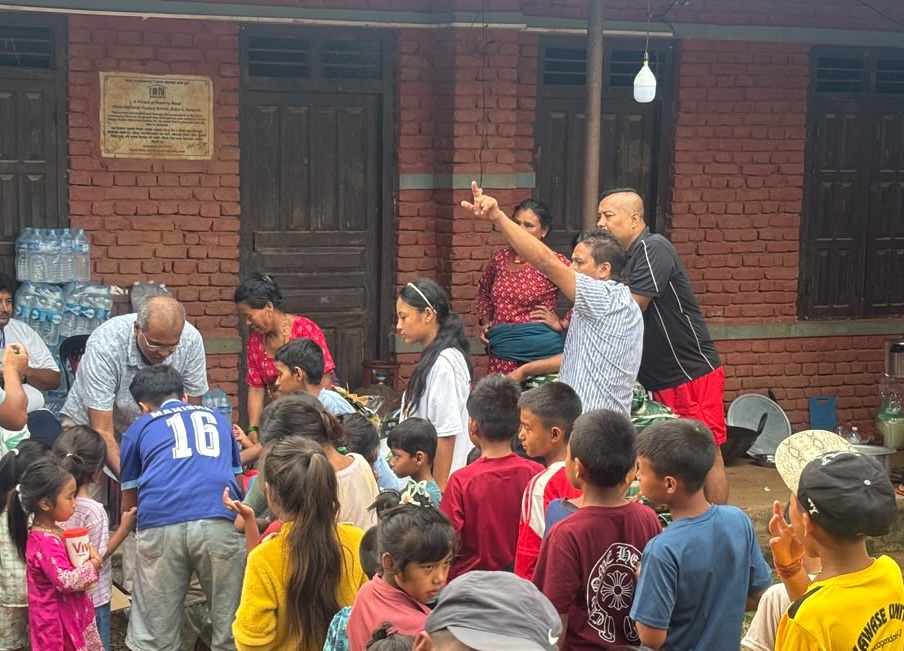
KATHMANDU, Nepal — Three months after devastating floods swept through parts of Nepal, many children are still struggling to return to anything resembling normal life. For those who lost parents, relatives and homes, the challenges extend far beyond finding shelter or getting back to school. They are also grappling with grief, emotional trauma and uncertainty about what comes next.
Some children have begun returning to classrooms. Others remain in temporary shelters, separated from their families or living with relatives. Many lost not only their homes and belongings but also their books, toys and the familiar surroundings of childhood.
Looking for job?
Click hereAccording to UNICEF, floods on Aug. 26 affected approximately 84,270 people across 17 municipalities in six districts, including 32,021 children and 1,854 people with disabilities.
The psychological effects remain visible even among children who appear to have resumed their daily routines. Psychosocial counselors involved in assessing affected children say some suddenly withdraw from group activities and become emotional. Others hold on to old clothes or toys, describing them as reminders of their mothers. Children who lost their schoolbooks and personal belongings have expressed anxiety about where they will study and what their futures will look like.
UNICEF has warned that children, women, adolescents and people with disabilities continue to face risks of family separation, trafficking, exploitation, gender-based violence, child marriage and psychological distress. Displacement has also made it harder to monitor vulnerable children, refer them to appropriate services and follow up on individual cases.
For younger children, understanding death and the scale of the disaster can be particularly difficult. Counselors say children ages 4 and 5 may ask about missing parents without fully comprehending what has happened, and their emotional responses often differ from those of older children.
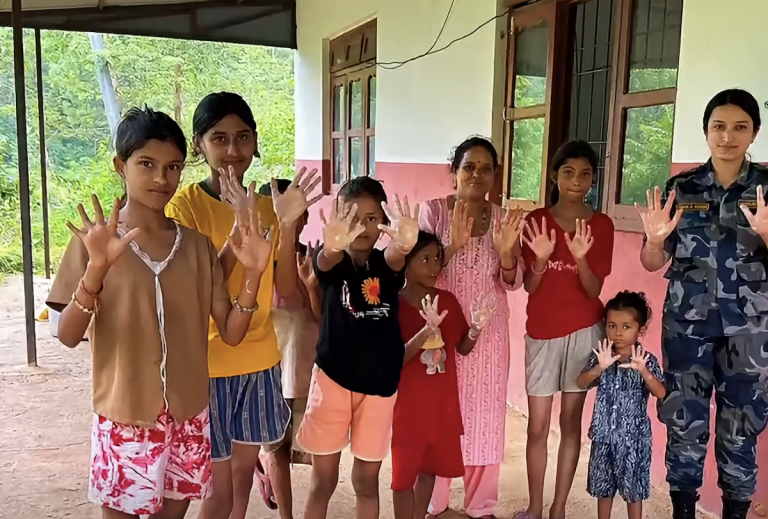
Continued counseling, recreational activities and group support have helped some children gradually regain a sense of routine. Thirty-five UNICEF-supported child-friendly spaces have provided structured play, recreational activities and psychosocial support to 1,708 children, including 832 girls and 876 boys.
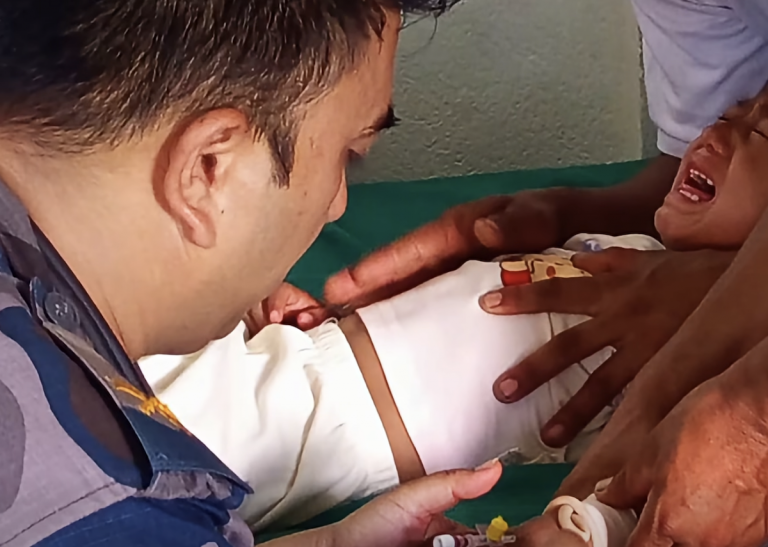
Psychological first aid, counseling and group support have reached 13,057 people. Another 4,505 people, including 1,852 children and adolescents, have received specialized mental health services. In total, UNICEF says mental health and psychosocial support has reached approximately 19,500 children and caregivers.
But counselors say the grief of losing family members and the experience of displacement will require sustained support, not just emergency interventions.
A Morning of Terror, and Children’s Accounts of Survival
When the floods struck, Swostik Paudel, a ninth-grade student from Betravati in Nuwakot district, was preparing to go to school. He had received no warning of the approaching disaster.
After a neighbor shouted that a flood was coming, Swostik called his mother but could not clearly understand what she was saying. He then fled toward safety with his 4-year-old cousin.
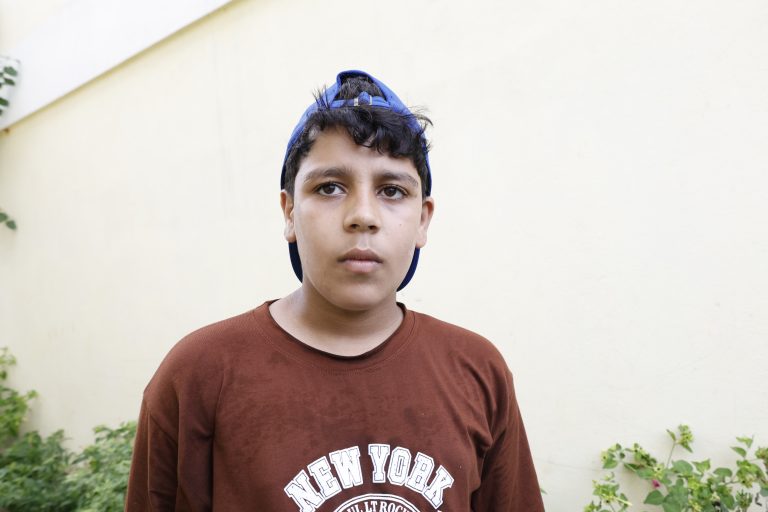
A wire fence blocked their route toward the forest, so the boys climbed over a wall and headed toward a canal. As they attempted to cross it, a sudden surge of muddy floodwater swept them away.
Swostik was carried by the current for about 10 minutes before being deposited near the school grounds. His young cousin slipped from his hand and disappeared into the water. Swostik later learned that the boy’s body had been found about 150 kilometers downstream, in the Chitwan-Nawalparasi area.
The flood scattered members of his family across different locations. Swostik waited through the night for his mother. They were reunited the following morning. She had been searching for her children but was forced to turn back when the water in a stream near the school became too dangerous to cross.
For Swostik, surviving the flood has not erased the trauma of losing his young cousin.
Another account of survival comes from Mala Kumari Dhakal Nagarkoti of Nuwakot, who was at work when she learned that floodwaters were approaching. Her 10-year-old daughter had been sent to school or a hostel that morning.
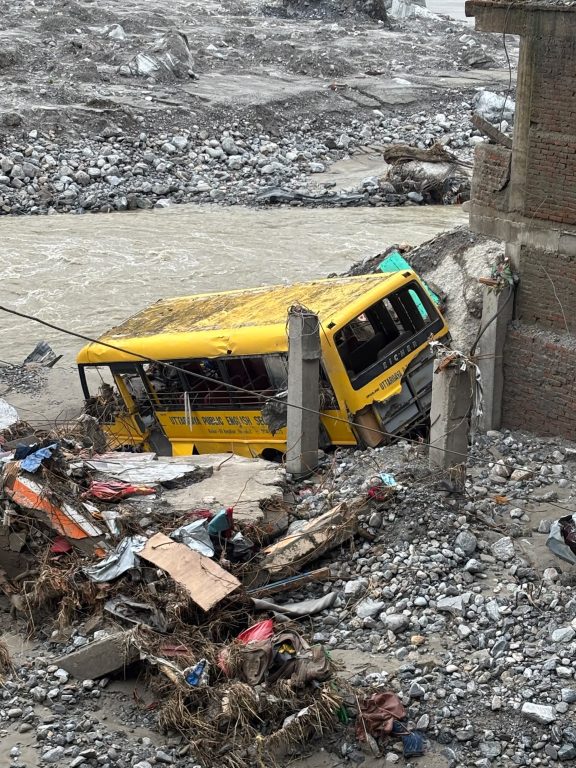
At about 7:45 a.m., a phone call from her brother-in-law alerted her to the danger. She rushed to rescue her daughter. A school vehicle she was about to board overturned before her eyes. With roads and bridges destroyed, she had to travel through a forest route and did not reach home until the following day.
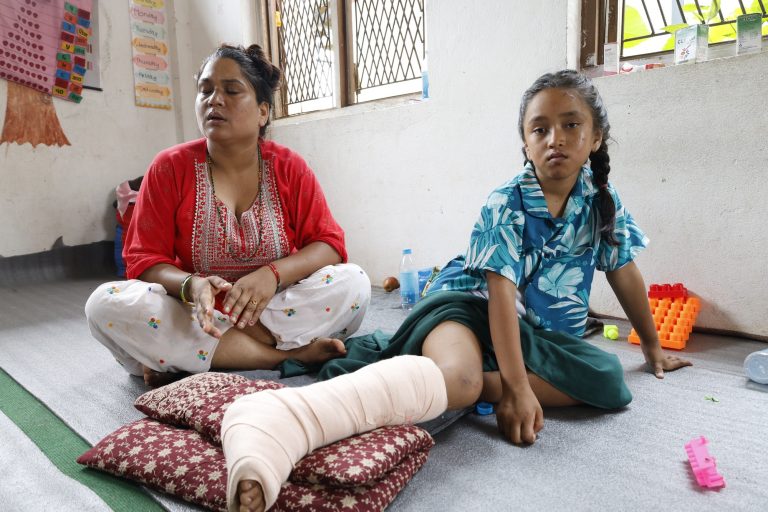
Her daughter had been at the hostel when teachers instructed students to run for safety. As the children fled uphill, the girl became trapped while trying to climb over a wire fence. The rushing water threatened to sweep her away, but the fence ultimately helped save her life. Local residents rescued her and arranged transportation to a hospital in Kathmandu.
Mother and daughter were eventually reunited, but their family lost its home and land. The site where their house once stood has since become a steep hillside.
The Government Turns to Family-Based Care and Psychological Support
The government has begun expanding psychosocial counseling programs in temporary protection centers, families and local communities. More than 1,000 trained counselors have reportedly been mobilized to assist children affected by the disaster.
Social workers and child psychologists are also assessing children’s circumstances and preparing individual care plans. The government intends to classify children according to three levels of vulnerability — high, moderate and low — to determine the protection and treatment they need.
A UNICEF-supported assessment identified 758 at-risk children. Among them, 121 children — 56 boys and 65 girls — were identified as unaccompanied or separated from their families.
Of those 121 children, 102 have been reunited with family members, including 45 boys and 57 girls. Five children without available relatives have been placed in institutional care as an interim measure while family-based alternatives are explored. Family tracing is continuing for another 14 children, who are staying in hostels and Buddhist monasteries.
Case management is underway for 385 children requiring care and protection.
The government has emphasized family and community-based reunification over placing orphaned children in institutional care.
According to the National Child Rights Council, about 18 of the 36 children temporarily housed at the Annapurna Center in Nuwakot were reunited with families on Oct. 3. The children included those who had lost both parents.
Biological families and close relatives are given priority in reunification efforts. Grandparents, uncles, aunts and other relatives are considered first. If they cannot provide care, authorities plan to identify suitable prospective guardians and appoint them through legal procedures.
To prevent the financial burden from discouraging families from taking in vulnerable children, the council has arranged care and protection packages worth up to approximately 300,000 rupees, or about $2,000, annually through formal agreements.
Monthly Assistance of Approximately $117 Until Age 18
The government has also introduced a long-term financial assistance program providing 17,500 rupees, or approximately $117, a month for eligible children until they turn 18.
Ram Bahadur K.C., a spokesman for the National Disaster Risk Reduction and Management Authority, said arrangements had been made for long-term protection of 810 children who lost parents, have missing guardians or face particularly high risks.
The program began in Goljungbesi, Ward 5 of Aamachhodingmo Rural Municipality in Rasuwa district. The first payment of 17,500 rupees was deposited into the bank account of a 29-year-old woman who had lost her husband in the floods. The woman had recently given birth. Her newborn daughter is eligible to receive the assistance through her family until she turns 18.
The benefit is not available to every child affected by the floods. It is intended for particularly vulnerable children under 18, including those who lost one or both parents, whose guardians are missing, or who lost their homes and face heightened risks.
Applicants must submit the child’s birth registration, the guardian’s citizenship documentation, a death certificate or police report confirming a missing parent, a recommendation from the ward office and details of an active bank account to the local government’s women and children’s section.
Local child rights committees will assess the children’s circumstances and forward recommendations to the National Child Rights Council. After verification, protection agreements will be signed in coordination with partner organizations, and payments will be deposited regularly into the guardian’s bank account.
SOS Children’s Villages, MIT Group Foundation and Pravina Foundation are among the organizations coordinating implementation.
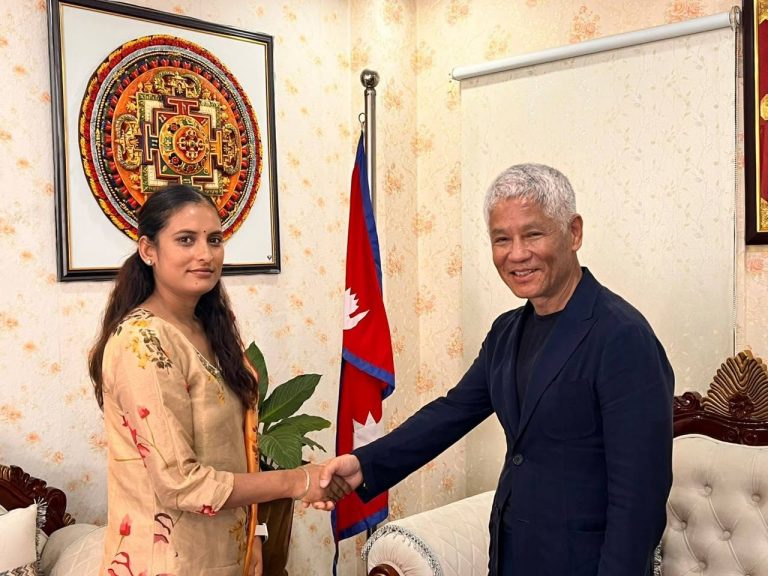
UNICEF is also supporting cash assistance through government systems in 12 municipalities across Rasuwa, Nuwakot, Dhading and Gorkha. Each of 5,200 affected households is expected to receive 15,000 rupees, or approximately $100. Payments have been completed in seven municipalities, reaching 2,021 households.
The next phase will prioritize households with children under 5, pregnant and nursing women, people with disabilities, widows and single women older than 65.
Scholarships and Temporary Schools for Displaced Children
The floods and subsequent displacement have also disrupted children’s education. Some students have been unable to return to their former schools, while others have lost the books and supplies needed to continue studying.
A government assessment found that 11 of 34 inspected schools had been completely destroyed and 12 had sustained damage, affecting 9,430 students and 216 teachers.
UNICEF says a shortage of safe land has slowed school reconstruction and the establishment of semipermanent learning centers. Children in high-altitude areas also face shortages of winter assistance. Displaced children, those with disabilities, orphans and students living in government-supported hostels require additional support.
The Ministry of Education, Science and Technology has issued guidelines for the Assured Future Scholarship Program, under which 27 students from families who lost members in the floods were selected for scholarships in the first phase.
The guidelines provide free residential scholarships covering accommodation, food and education for children who lost both parents. Children whose families lost their homes and land but whose parents survived are eligible for full scholarships, while children from affected families that retain a source of income may receive partial scholarships.
The Bagmati provincial government has also decided to provide free education, including accommodation, through Grade 12 for children who lost both parents. A temporary school has been established in Godawari, Lalitpur, to serve displaced students for one year.
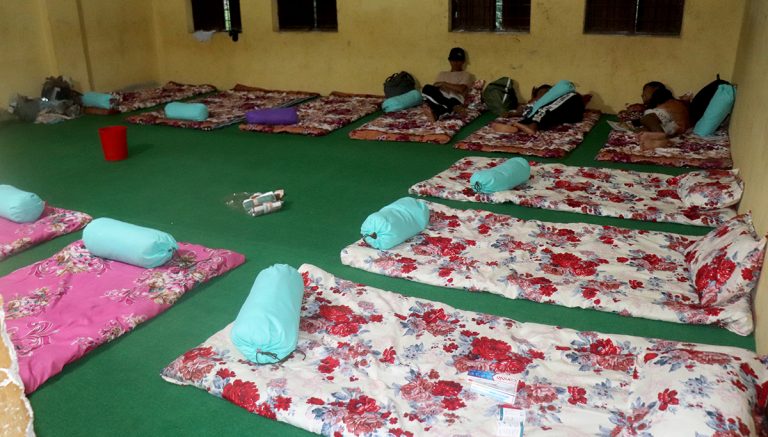
UNICEF-supported temporary learning centers have helped keep about 1,800 children in school. Of the 52 centers established, 36 remain operational — 28 in Nuwakot and eight in Dhading. The other 16 closed after damaged schools were cleaned and disinfected and students were able to return to their classrooms.
About 9,000 children in Dhading, Nuwakot and Rasuwa have received learning materials. School-based psychological first aid has reached 894 children, and 360 teachers have received orientation on providing such support.
Yet returning to school remains difficult for some children. Displacement, local government recommendations and verification requirements involving multiple agencies have complicated enrollment and interrupted education.
Protecting Children’s Inheritance and Securing Their Future
The government is also working to protect the property left behind by parents who died in the floods.
Local governments are expected to document movable and immovable property registered in the names of deceased parents, including assets destroyed or swept away by the floods and those that remain. The goal is to prevent others from taking control of children’s inheritance while they are minors and ensure that they can exercise their legal rights when they come of age.
But establishing how many children need assistance has become a major challenge.
Preliminary figures from the National Child Rights Council identify 269 children who lost their parents or whose parents remain missing. Local government records in Rasuwa, however, show substantially different numbers.
In Gosainkunda Rural Municipality alone, 464 children have been identified as affected, including 248 who reportedly lost both parents, according to local records. Authorities have also been collecting information in Uttargaya, Kalika and Aamachhodingmo rural municipalities.
The discrepancies have made it difficult to establish the actual number of children requiring long-term protection.
The government has deployed 80 to 90 personnel to verify the records and expects the data collection process to be completed within one to one and a half months.
The scale of the recovery effort remains enormous. A government-led post-disaster needs assessment estimated that Nepal will need approximately $5 billion for recovery and reconstruction.
UNICEF says it has received approximately $14.7 million, or 85 percent, of the $17.2 million required for its humanitarian response. But funding for early recovery, including winter assistance, remains limited. The agency estimates that approximately $47 million is needed, of which only 31 percent has been secured.
For children who lost parents, relatives and homes, financial assistance and scholarships can help meet immediate needs. But rebuilding their lives will take more than money.
A psychosocial counselor involved in the response said children need a safe family environment, uninterrupted education, continued mental health services and confidence in their future.
No financial assistance can replace the parents and relatives they have lost.
