






The Department of Homeland Security on Tuesday will put into effect an interim final rule authorizing U.S. Citizenship and Immigration Services to require online filing for immigration benefit requests that have been available electronically for at least 180 days.
The rule does not immediately require electronic filing for any particular USCIS form. Instead, it establishes the process USCIS must follow before ending paper filing for a form or a specified category of filers: the agency must post notice on its website at least 60 days before the requirement takes effect. DHS said mandatory filing also cannot begin until USCIS has an approved process for applicants to request a hardship waiver.
Looking for job?
Click hereThe rule, titled “Mandatory Electronic Filing (E-Filing),” takes effect Aug. 11. DHS will accept public comments through Oct. 13 under docket number USCIS-2026-0232. The agency issued it as an interim final rule, meaning the regulations take effect while the public comment period remains open.
What the Rule Changes
The new regulation gives USCIS discretion to mandate e-filing for any immigration “benefit request”—including an application, petition, motion, appeal, or other request for an immigration or naturalization benefit—once that form has been available for online filing for more than 180 days.
People required to file electronically must create and use a USCIS online account. They may complete a form through USCIS’s guided online system or, where offered, upload a completed PDF form and supporting documents through their account. USCIS defines e-filing broadly to include electronic submission of benefit requests, evidence, documents, notices, and communications through an approved online portal, interface, or account.
As of Dec. 16, 2025, USCIS had made 22 forms available for online filing, including applications and petitions commonly used by immigrants and employers: Form N-400 for naturalization, Form I-90 to replace a green card, Form I-130 for family petitions, Form I-131 for travel documents, Form I-485 for adjustment of status, Form I-765 for employment authorization, Form I-821 for Temporary Protected Status, Form I-821D for Deferred Action for Childhood Arrivals, Form I-589 for asylum, and Form I-129 for certain nonimmigrant workers. The rule states that USCIS may later apply mandatory filing to some or all eligible forms, classifications, or filing categories.
Paper-Filing Waiver Process
The rule creates Form I-936, Request for Waiver of E-Filing Requirement, for people who contend that online filing would cause an undue hardship. A person must obtain USCIS approval of the waiver before submitting a paper benefit request.
DHS said USCIS will decide waiver requests on a case-by-case basis, considering factors including geographic location, socioeconomic conditions, and access to public technology resources. A lack of familiarity with the online system or the absence of a personal internet connection ordinarily will not, by itself, establish undue hardship, the rule states; applicants may be expected to explain why they cannot use alternatives such as libraries, community centers, or help from friends or family.
The regulation sets a $25 filing fee for Form I-936. Fee waivers may be available for limited categories, including certain Violence Against Women Act self-petitioners, applicants for T or U nonimmigrant status, certain battered spouses, and TPS-related filings. Attorneys, accredited representatives, and business entities will generally be less likely to qualify, although USCIS said each case will be individually assessed.
An approved waiver applies only to the specific immigration form listed in the approval notice and generally remains valid for 30 days. Applicants must submit a separate Form I-936 for every immigration form they want to file on paper, and a waiver request itself does not preserve a filing deadline or priority date.
DHS Cites Cost and Security Gains
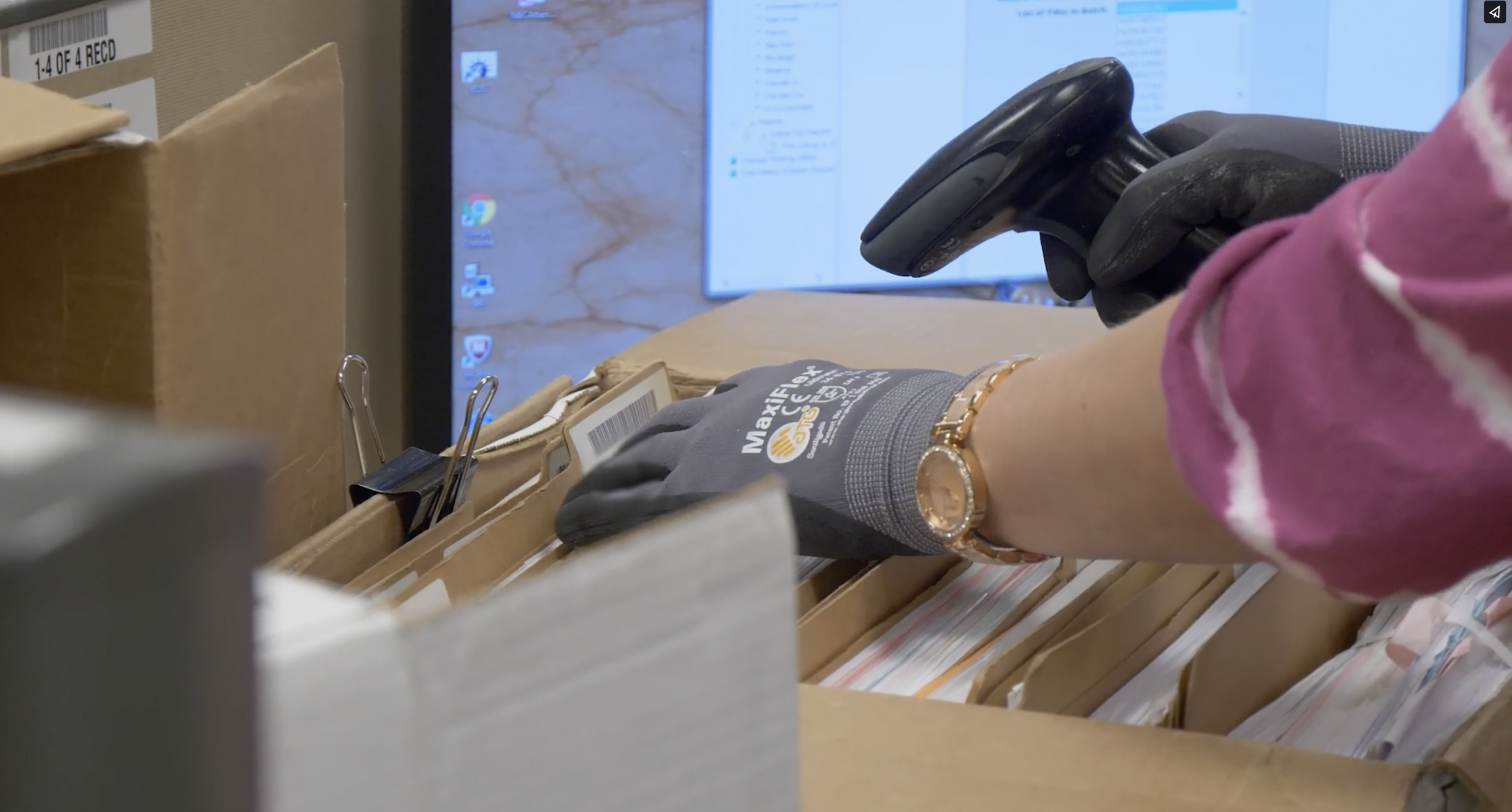
DHS said the policy is designed to reduce USCIS’s dependence on Treasury Department lockbox facilities, which receive mail, review packages, process fees, scan forms, and forward paper files for adjudication. The change also supports a 2025 executive order directing agencies to move federal receipts and payments away from physical processing.
USCIS received about 44% of applications through e-filing methods in fiscal year 2025, according to the rule. However, the agency processed 452.6 million paper pages through its lockbox system that year, with lockbox operations costing nearly $396 million and paper-intake labor totaling about $253 million, DHS said.
DHS estimates the rule will produce about $533 million in annual savings for requestors from reduced postage, fewer refiled rejected applications, and less time spent preparing paper packages. It estimates waiver applicants will face about $15 million a year in combined costs for the new form, filing fee, and mailing expenses, resulting in projected net annual savings of about $518 million. DHS also estimates that online filing discounts will transfer roughly $140 million annually from the government to requestors.
The department said electronic submissions can identify missing information before filing, reduce errors involving signatures and fees, speed confirmation of receipt, and make it easier to manage cases electronically. USCIS rejected more than 1 million paper benefit requests in fiscal year 2025, according to the rule, with about one-quarter of those rejections solely related to fee problems.
DHS also argued that digitized records would strengthen fraud detection, identity management, screening, and information-sharing by allowing the government to search, compare, and analyze immigration data more quickly than with paper files. Online accounts use two-factor authentication, the agency said, and may provide greater control over sensitive notices than documents sent through physical mail.
Concerns Acknowledged
The rule acknowledges that some immigrants, legal service providers, employers, and community organizations may experience costs that DHS did not quantify. Those may include limited internet access, a lack of digital literacy, the effort of learning a new platform, document-upload barriers, file-size limits, and the difficulty of filing complex cases that rely on large volumes of evidence.
DHS said libraries, nonprofit organizations, refugee resettlement agencies, and immigrant-serving legal providers could face increased demand for computers, internet access, scanning assistance, and help navigating USCIS accounts. Still, the department said it expects the waiver process and the availability of public technology resources to mitigate barriers for people who cannot reasonably file online.
USCIS cannot require a form to be filed exclusively online until the Office of Management and Budget approves the new Form I-936 information collection, DHS said. Once that occurs, USCIS may announce a form-specific e-filing mandate, but it must still provide at least 60 days’ notice before rejecting paper filings for that form.
