BHAIRAHWA, Rupandehi, Nepal — What began in 1983 with two rooms, four staff members and one eye specialist inside Bhim Hospital’s premises has grown into one of Nepal’s leading eye care institutions.
The Shri Ran Ambika Shah Eye Hospital, now widely known as a major center for treatment, education and research, was built with support from U.S.-based Seva Foundation and a land donation from the Shah family and Siddharthanagar Municipality. Today, the hospital serves thousands of patients a day, including many from India, while continuing to expand its reach into rural Nepal.
Built on donated land
The hospital’s origins trace back to rising demand for eye care in the Bhairahawa area. Seva Foundation agreed to help build the hospital only if land was secured. In response, Ran Bahadur Shah and his wife, Ambika Shah, donated 1 bigha, 16 kattha and 9 dhur of land, provided the hospital would be named after them. Siddharthanagar Municipality later added 12 kattha and 2 dhur more land.
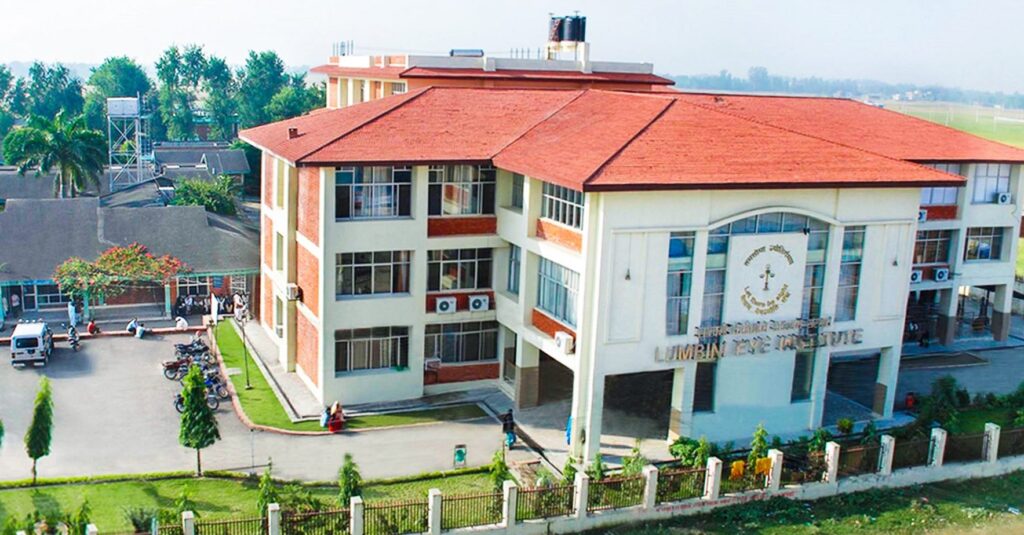
With financial support of 28.55 million rupees from Seva Foundation, the hospital’s outpatient, inpatient and surgery buildings were constructed on the site, with capacity for 500 outpatients and 100 surgeries, according to hospital officials.
Daily patient load
The hospital now provides outpatient services to 1,500 to 2,500 people a day and performs 200 to 300 eye surgeries daily, Deputy Manager Tulsiprasad Parajuli said. The 250-bed hospital has 344 employees, including 30 doctors, he said.
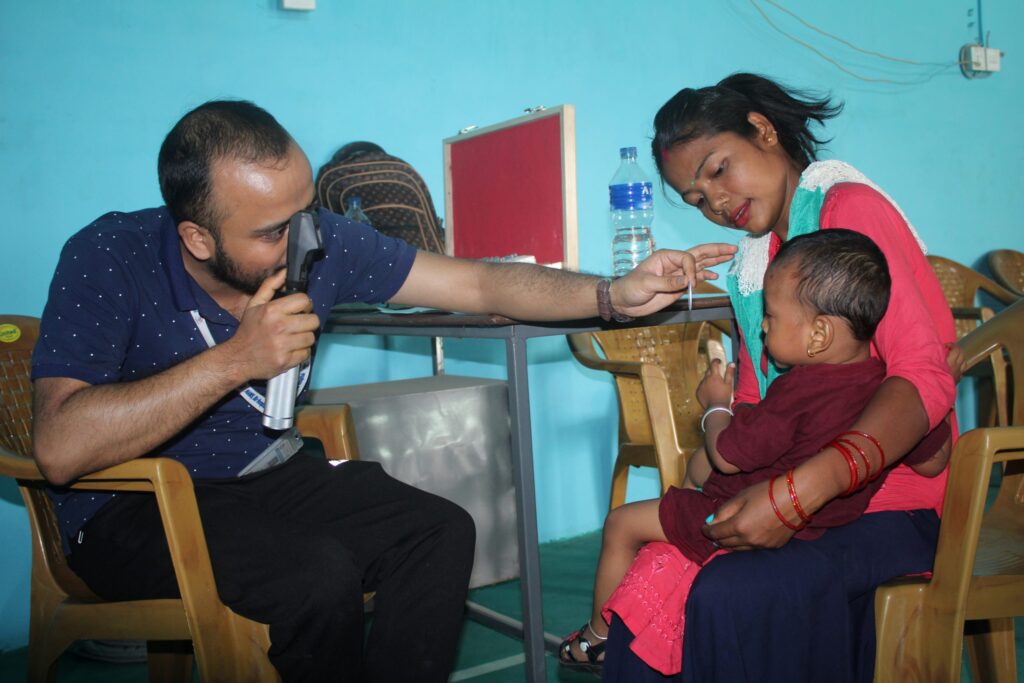
Hospital records show that between fiscal years 2020-21 and 2024-25, the hospital treated nearly 1.48 million patients. In fiscal 2024-25 alone, 383,053 patients received treatment and 39,360 underwent surgery. In the current fiscal year, the hospital says 387,525 patients have received care and 39,141 surgeries have been performed.
According to the administration, 40% of patients and 50% of surgical cases are Indian nationals.
Services and reach
Parajuli said the hospital has become a leading eye care center not only in western Nepal but across the country because it offers everything from basic eye exams to advanced surgery and specialized treatment at affordable rates. The outpatient fee is 150 rupees.
The hospital offers cataract, retina, cornea, glaucoma, pediatric eye care, uvea, oculoplastics, low vision, contact lens, laser and emergency services, along with a modern operating theater, laboratory and pharmacy.
Officials say the hospital is also involved in education, research, workforce development and community-based health care. It operates under the Nepal Netra Jyoti Sangh and the Lumbini Eye Institute and Research Center.
Patients from India
Because the hospital is located near the Nepal-India border, it draws patients from neighboring Indian districts as well as from across Nepal. The hospital says its lower costs, experienced specialists and modern equipment have made it a trusted destination for Indian patients.
Indian tourists and Buddhist pilgrims visiting Lumbini also seek treatment there when needed. Ramsewak Lonian, 71, from Maharajganj, India, said he was satisfied after cataract surgery at the hospital.
Education and self-reliance
The hospital is also a training center for eye health professionals. Through the Lumbini Institute of Ophthalmic Sciences, it runs academic programs including MD in ophthalmology, Bachelor in Optometry and PCL in Ophthalmic Science.
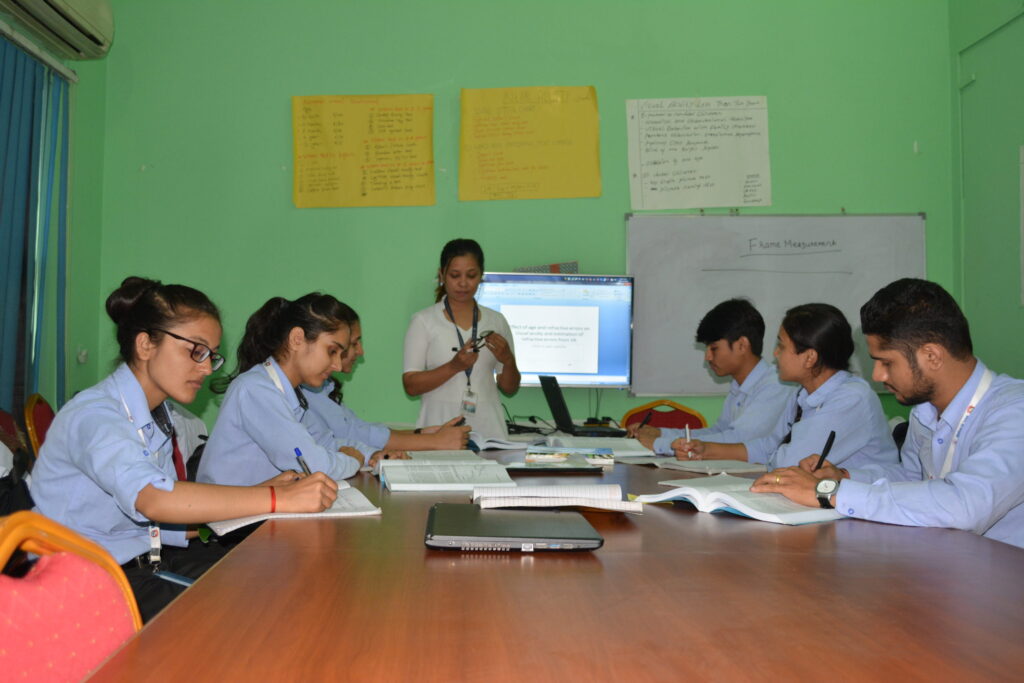
Hospital officials say the institution now operates fully on its own income, generated through treatment, surgery, medicines, glasses, diagnostic services and educational programs. Outside funding is used for staff development and infrastructure work, said board chair Sagar Pratap Rana.
Future plans
The hospital says it plans to expand super-specialty services, develop AI-based eye screening, strengthen digital health services, deepen research and build international partnerships. It is also aiming to grow medical tourism and attract more patients from South Asia.
Doctors at the hospital advise people older than 40 to get regular eye exams, including glaucoma and retina checks. They also recommend annual eye screenings for people with diabetes or high blood pressure, as well as vision checks for school-age children.
Photos: Shri Ran Ambika Shah Eye Hospital

Bhawani Prasad Panday
View More PostsBhawani Prasad Panday is a Nepali journalist based in Butwal, a thriving commercial center in Lumbini Province, Nepal. Renowned for his engaging coverage of local issues, Panday explores topics such as economic growth, social challenges, and cultural events. Currently, he writes for NepYork, addressing a broad spectrum of subjects ranging from community concerns to international developments.