

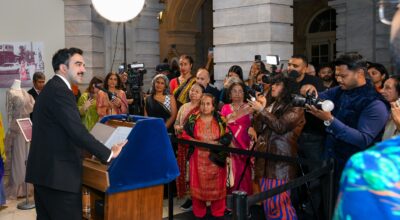

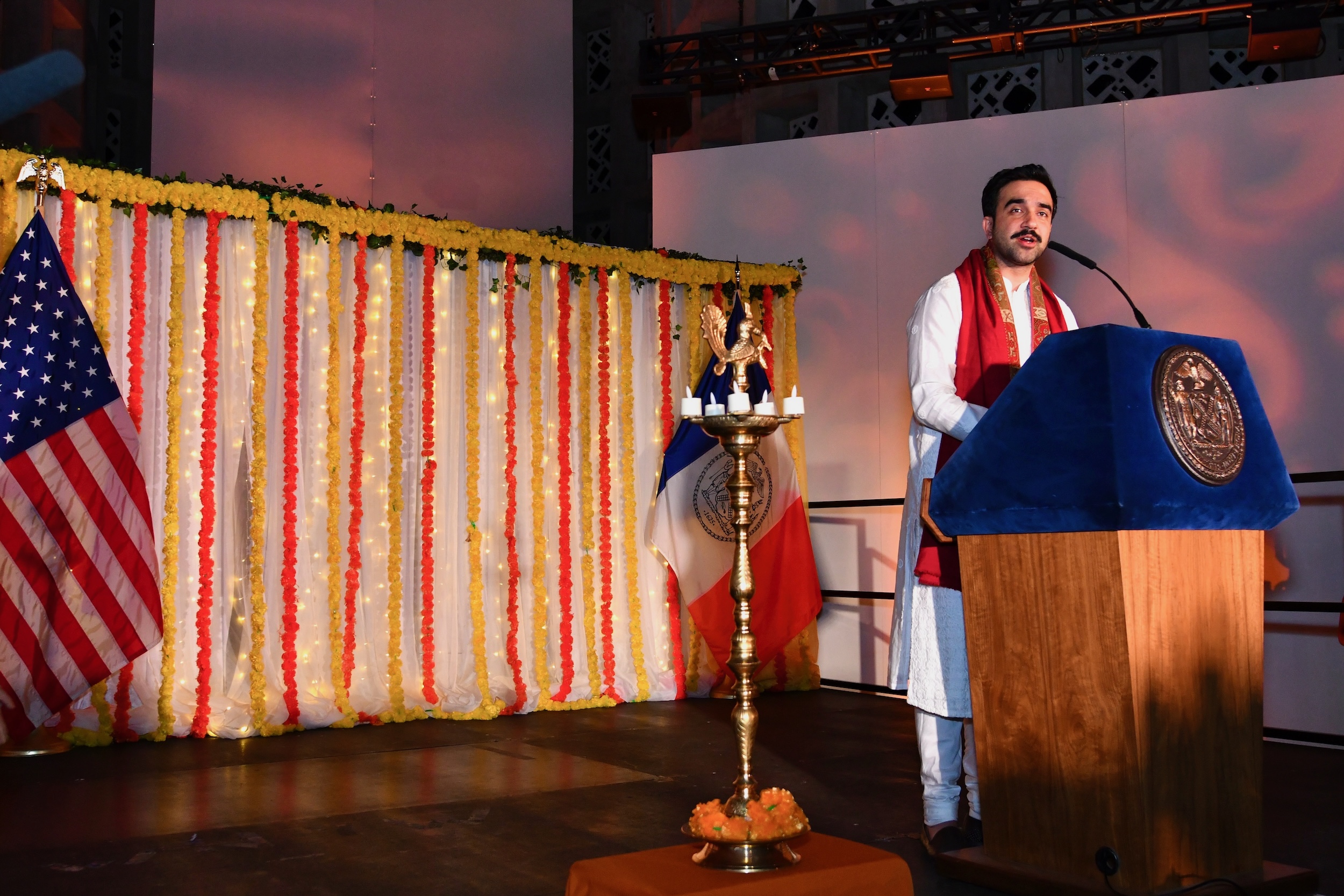
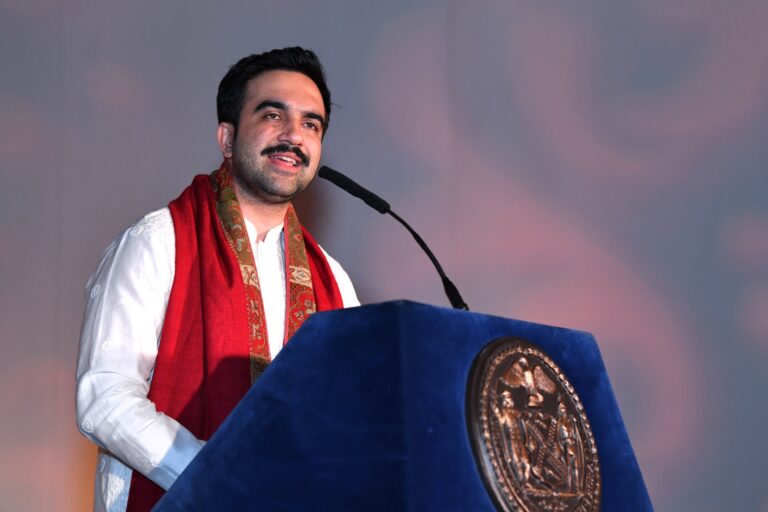
NEW YORK — Mayor Zohran Mamdani hosted the first Diwali celebration of his administration Tuesday at the New York Hall of Science in Queens, invoking the festival’s symbolism of light overcoming darkness to call for religious solidarity, affirm immigrants’ place in the city and reject politics rooted in fear and division.
The gathering in Corona brought together community organizers, elected officials, artists and labor leaders for an evening celebrating the cultural and religious traditions of New York’s South Asian and Indo-Caribbean communities.
Looking for job?
Click here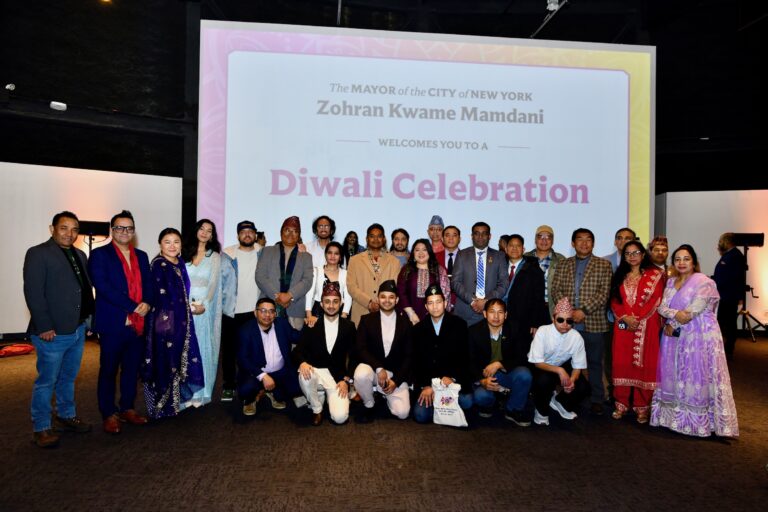
“To anyone who’s been told to go back home, whose belonging has been questioned,” Mamdani said, “you are home. New York City is your home.”
The mayor, whose mother is Punjabi Hindu and whose father is Gujarati Ugandan Muslim, spoke about growing up celebrating Diwali and the significance of marking the holiday as mayor.
“Our shared heritage was never a single language, faith, or affiliation,” he said.
The reception, which began at 5:30 p.m. at the museum on 111th Street, featured music, community reflections and a symbolic lighting ceremony. Instead of lighting open flames, Mamdani asked guests to switch on battery-powered lamps, citing city regulations and guidance from the Fire Department.
“This is what home looks like,” he said.
A Celebration of Many Traditions
Mamdani devoted much of his address to the different ways New Yorkers observe the holiday season, describing traditions carried across continents and preserved in neighborhoods throughout the city.
He spoke of Bengali families in Kensington lighting lamps to guide their ancestors home; Guyanese and Trinidadian families in Queens remembering ancestors who crossed the seas to work in Caribbean sugar cane fields; and Sikh families in Richmond Hill observing Bandi Chhor Divas.
He also highlighted Nepali families in Jackson Heights celebrating Tihar, including traditions of honoring brothers with forehead markings and dogs with marigold garlands; Tamil families on Staten Island rising before dawn for oil baths; and Gujarati families in Bellerose marking symbolic footsteps to welcome the goddess Lakshmi.
The examples underscored that the holiday season is not a single, uniform observance but a collection of traditions connected by family, memory and faith.
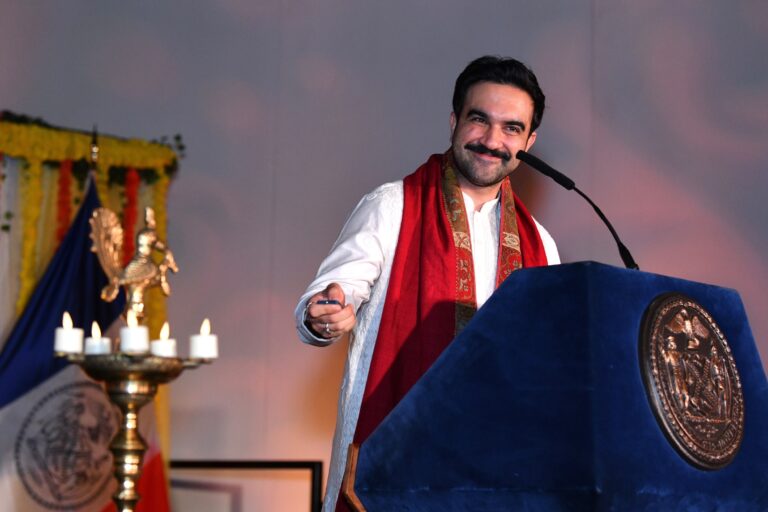
“The South Asian diaspora is a community made of many stories,” Mamdani said.
He recalled learning about Hinduism’s stories and teachings from his mother’s family, saying their lessons extend beyond religious practice to questions of duty, justice and how people treat one another.
Mamdani also used the temporary nature of a lamp’s flame as a metaphor for the continuing work of caring for a community.
“A lamp’s fire cannot burn in perpetuity,” he said. “That is why generation after generation, year after year, we light our diyas to guide others home.”
A Warning Against Hatred
Mamdani paired the celebration with a warning about religious hostility and political division.
He cited attacks on Hindu temples, what he described as the targeting of Sikhs by federal leaders, and hateful rhetoric in campaigns for statewide office. He did not identify specific incidents, officials or candidates in the remarks provided.
“Whether it is fear-mongering in Washington or Delhi, we hold a shared obligation as we mark this holiday to reject any politics that brings darkness into this world,” he said.
He pointed to Diversity Plaza in Jackson Heights as an example of the city’s everyday sense of belonging, encouraging anyone who questioned their place in New York to visit late at night.
“The light of this city will always be brighter than those who seek to plunge us into darkness,” Mamdani said.
An Indo-Caribbean Call for Solidarity
Aminta Kilawan-Narine, founder of South Queens Women’s March, introduced the mayor after delivering remarks connecting Diwali to immigrant rights, religious inclusion and the experiences of Indo-Caribbean New Yorkers.
Identifying herself as a Hindu, a working mother and the first-generation daughter of immigrants from Guyana, Kilawan-Narine said the celebration at the Hall of Science carried particular meaning for those who had visited the museum on school trips while growing up in Queens.
Returning as community organizers for a mayoral celebration, she said, represented a “full circle moment.”
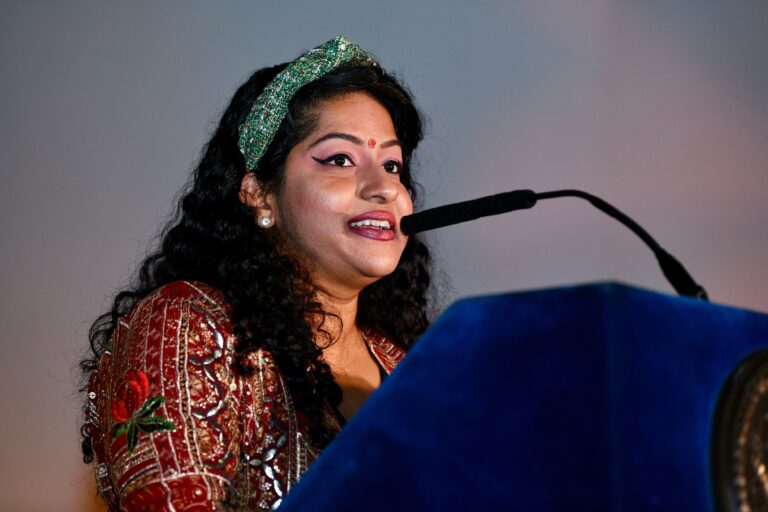
She traced the contributions of South Asian and Indo-Caribbean immigrants across Richmond Hill, Jackson Heights, Flushing, Hollis and Jamaica, describing communities that had preserved their traditions despite histories of colonization and displacement.
Their resilience, she said, lives on through religious institutions, food, music and family customs — including traditions that had once made some children targets of bullying.
Reflecting on raising her twin toddlers, Kilawan-Narine said she wanted them to grow up in a city where their heritage was celebrated and their opportunities were not limited by their names or skin color.
She also warned against using religion to deepen social divisions.
“As Hindus, we must ensure that our faith is never weaponized to spread hatred,” she said. “Diwali’s light belongs to people of every faith and of no faith.”
She urged attendees to carry that principle beyond their homes and places of worship by defending immigrant families and confronting injustice.
“A diya loses nothing when you light another diya,” she said. “Together they illuminate the entire room.”
Bringing Diwali’s Spirit Into City Government
Shonita Joshi, the event lead at the Mayor’s Office of Mass Engagement, welcomed guests and connected Diwali’s message to the administration’s efforts to make city government more transparent and accessible.
Joshi recalled growing up in Pune, India, where some of her favorite holiday memories centered on her father’s watch store. After a long day of work, her family and the store’s employees would gather to celebrate late into the evening.
“It became clear that Diwali was about taking care of one another,” she said.
Looking around the room, Joshi said she recognized that same spirit among the organizers, labor leaders, artists and community members attending the reception.
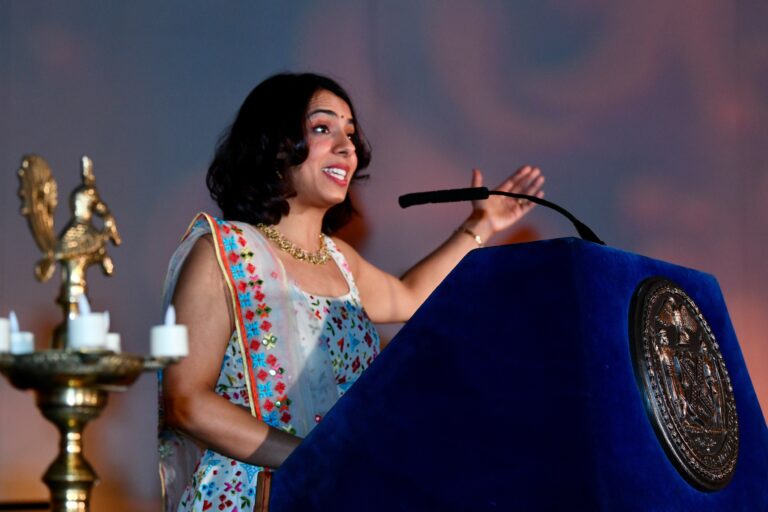
“You bring Diwali to life,” she said. “You do it by building a movement that is rooted in community, care, and love.”
She said the Mayor’s Office of Mass Engagement sought to carry the festival’s spirit of “knowledge, light and connection” into its everyday interactions with New Yorkers.
Sikh Observance Offers a Lesson in Collective Freedom
Jagpreet Singh, first deputy commissioner in the Mayor’s Office of Mass Engagement, spoke about Bandi Chhor Divas, the Sikh observance associated with liberation.
Singh recounted the story of Guru Hargobind, the sixth Sikh guru, who, according to the account he shared, refused to leave imprisonment unless other captive rulers were also freed.
He described a cloak with 52 tails that allowed the prisoners to leave together, followed by a celebration with lamps when the guru returned to Amritsar.
For Singh, the story offered a lesson for public service: Freedom should be pursued collectively rather than treated as an individual achievement.
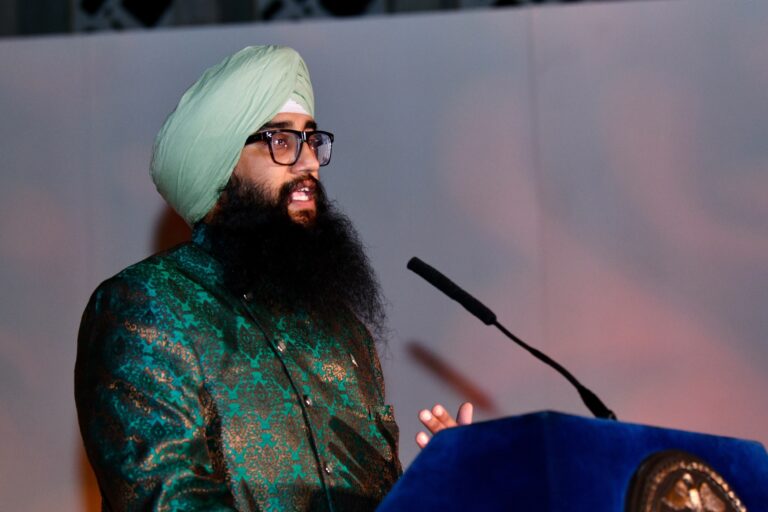
“Liberation isn’t just individualistic, it’s communal,” he said.
He connected that message to his office’s work helping New Yorkers participate in government, exercise political power and build relationships beyond their immediate families and neighborhoods.
Singh said his transition from community organizing to government service reflected a desire to confront unaffordability, inequality and despair.
Science, Culture and Community
Lisa Gugenheim, president and chief executive of the New York Hall of Science, welcomed guests and described the museum as a fitting setting for a celebration centered on knowledge overcoming ignorance and hope overcoming despair.
She characterized the Hall of Science as a gathering place where neighbors learn about the world and gain the confidence to help shape it.
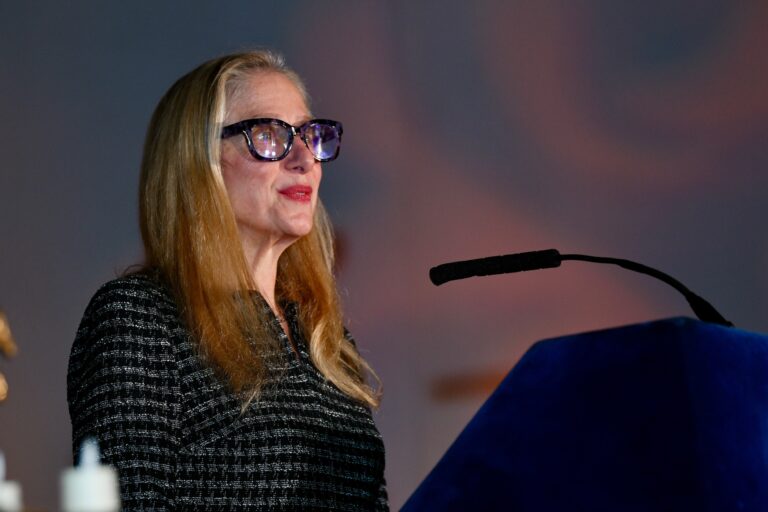
Gugenheim also thanked Mamdani for supporting the city’s cultural and educational institutions, saying art, science and education can create opportunities and strengthen connections.
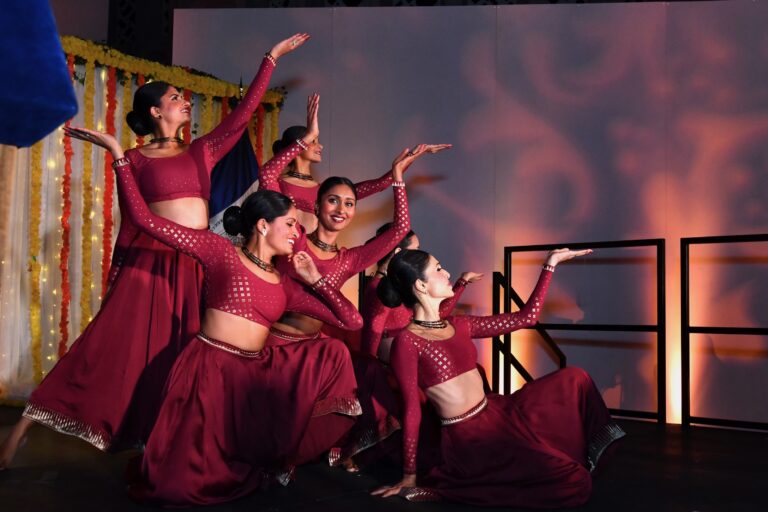
The program included music from DJ Omar. Mamdani also acknowledged the Navatman Music Collective and South Asian Dance Company. Guests were invited to explore the museum’s CityWorks exhibition during the evening.
Throughout the program, speakers returned to the idea that the holiday’s meaning depends not only on preserving traditions but also on extending care beyond one’s own community.
Mamdani closed by reflecting on what it meant to bring a childhood celebration into public office.
“As someone who grew up celebrating Diwali with my family, to now be able to celebrate it with our city as the mayor is a gift that I will never grow tired of saying thank you for,” he said.

