
United Nations human rights experts on Monday urged Nepal’s government to immediately halt ongoing forced evictions in Kathmandu, warning that the displacement of thousands of residents from informal settlements may violate international law and the country’s own constitution.
The experts expressed “grave concern” over eviction drives that began April 25 along riverside corridors in the capital, affecting several thousand people, many of whom are internally displaced or otherwise vulnerable.
“We are deeply troubled by reports that thousands of people … are being evicted without adequate safeguards,” the experts said in a statement. “Such actions risk violating Nepal’s obligations under international human rights law and its own constitutional protections.”
Authorities reportedly issued only 24-hour eviction notices in areas including Thapathali, Manohara and Sinamangal, followed by rapid demolition of homes. Evictions have since expanded to Balkhu, Bansighat, Balaju, Sankhamul, Anamanagar along the Dhobikhola corridor, and Kapan.
The experts said the short notice period failed to meet requirements for meaningful consultation and adequate preparation, stressing that affected communities must be informed, consulted and given access to legal remedies.
Nepal is a signatory to the International Covenant on Economic, Social and Cultural Rights, which guarantees the right to adequate housing and protection against forced evictions. Under international standards, evictions are allowed only in exceptional circumstances and must follow strict safeguards.
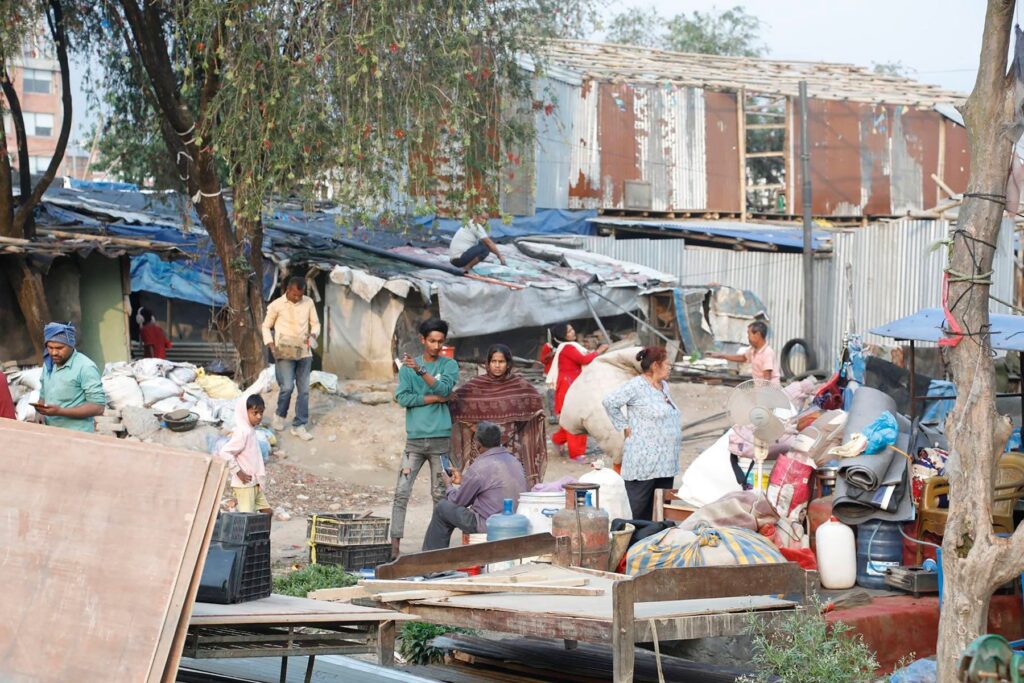
The situation has been further complicated by reports of two deaths linked to the eviction drive. An 18-year-old resident of the Manohara settlement died by suicide on April 24, while a 61-year-old man from Balkhu was found dead in the Bagmati River on May 1. Both cases are suspected to be connected to distress caused by the evictions.
The UN experts called for an independent and transparent investigation into the deaths and the broader eviction process.
“States must ensure adequate alternative housing, compensation, and access to essential services, including healthcare and education, before and after any displacement,” they said.
They also criticized the use of emergency shelters that fail to meet basic living standards, noting that the evictions were part of a planned government operation rather than an unforeseen disaster.
The experts warned that the evictions may also breach Nepal’s domestic legal framework. A July 2024 Supreme Court ruling requires authorities to provide housing before removing landless families from riverside settlements. The constitution further obliges the state to ensure housing and land rights for marginalized groups, including landless Dalits.
“Proceeding without verified resettlement would not only contravene international standards but may also violate binding judicial decisions,” the statement said.
The experts urged the government to engage in genuine dialogue with affected communities and explore alternatives, including in-place settlement solutions and inclusive urban planning. Any relocation, they said, must comply with international guidelines on internal displacement and resettlement.
They also called on authorities to provide immediate protection, psychosocial support and compensation to affected families.
“Respect for human dignity, the rule of law and social justice must guide all responses,” the experts said. “No one should be left homeless as a result of State action.”

Susan Shrestha
View More PostsSusan Shrestha is a Europe-based journalist. He covers a wide range of topics, from local matters to global affairs. Shrestha previously worked as a reporter for Khasokhas in Nepal.

