






Mamdani Announces $25 Million Expansion of NYC’s Cold-Weather Response

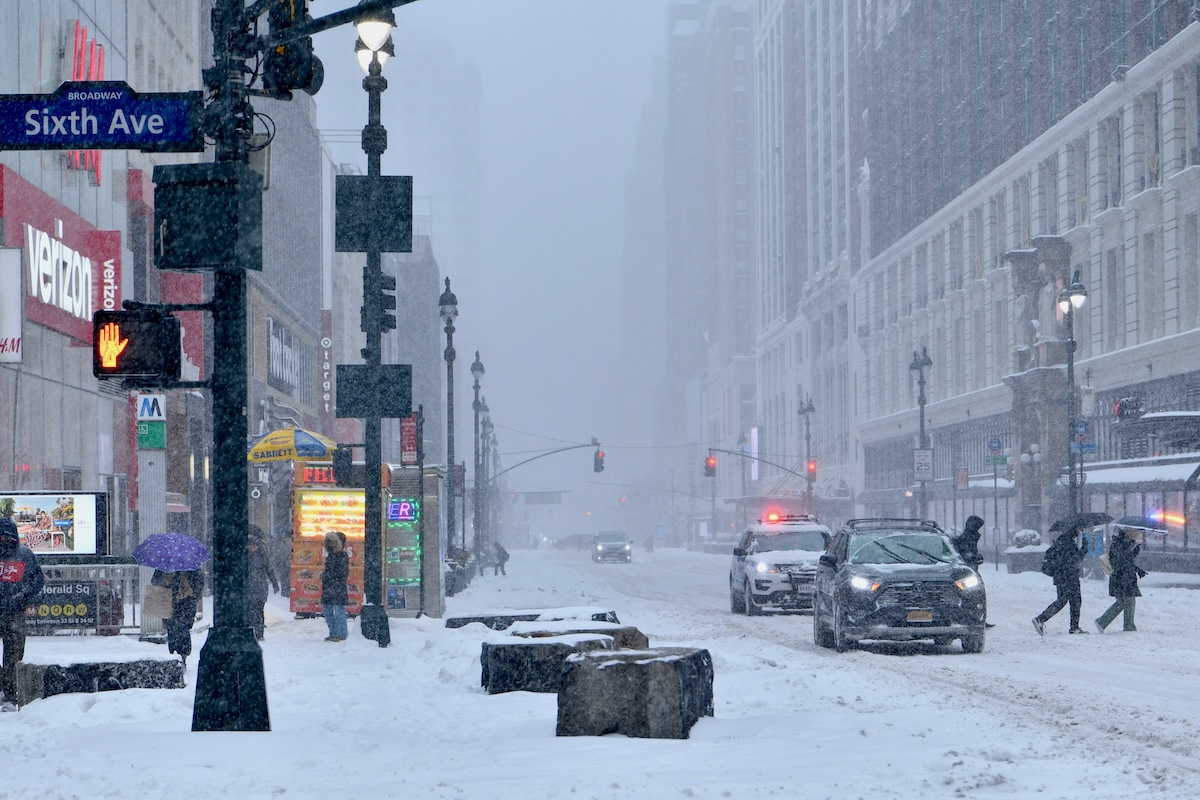
Snow blankets Midtown Manhattan streets during the major winter storm that dropped over a foot of snow across parts of New York City on January 25, 2026, leaving cleanup efforts still underway as another weather system approaches. Photo by Rajan Kafle
NEW YORK — Mayor Zohran Mamdani announced Monday a $25 million expansion of New York City’s emergency cold-weather response, adding outreach workers, mobile medical teams and shelter beds while introducing new measures to speed snow and ice removal.
The expanded Code Blue system will increase services during periods of severe or prolonged cold, city officials said. The plan includes more than 300 additional outreach workers, up to 55 mobile medical units and 800 shelter beds in more than 600 single- and double-occupancy rooms.
City agencies are also preparing thousands of workers, snowplows and salt spreaders for winter storms. New equipment and snow-clearing routes are intended to improve access to bus stops, crosswalks and other pedestrian areas.
“We have trained our workers, readied our equipment and strengthened our protocols because keeping New Yorkers safe can’t begin when the first storm hits,” Mamdani said in a statement.
Expanded Outreach and Warming Centers
Under the revised Code Blue plan, outreach workers will follow designated walking and driving routes through areas where homeless New Yorkers are known to sleep outdoors, rather than relying on predetermined lists of individuals.
The routes will cover 75 percent of known outdoor locations across the five boroughs, according to the administration. Teams will approach everyone they encounter.
“Instead of working from a list of names, DSS will work from a map, covering blocks, subway stations and parks where we know most people are living outside,” said Erin Dalton, commissioner of the Department of Social Services.
NYC Health + Hospitals will deploy up to 55 mobile units to provide medical assistance and transportation to warming centers, medical facilities and other indoor locations. Each team will include a registered nurse or nurse practitioner.
The public hospital system will open warming centers at at least three hospitals, expanding the service to all 11 during the most severe weather. At peak activation, the Department of Homeless Services will operate eight drop-in centers, four additional warming centers and 20 warming buses.
The Health Department will also extend overnight hours at four syringe service providers, allowing people to access warm indoor spaces. Additional nurses will join outreach teams to assess people’s health, provide care and arrange further treatment when necessary.
The expanded response will supplement existing shelter access policies and wellness checks for older adults. City agencies also plan to contact about 12,000 people receiving services through programs including Adult Protective Services, domestic violence services and Medicaid home care to assess their heating, supply and other needs.
Snow Removal Plan Focuses on Pedestrian Access
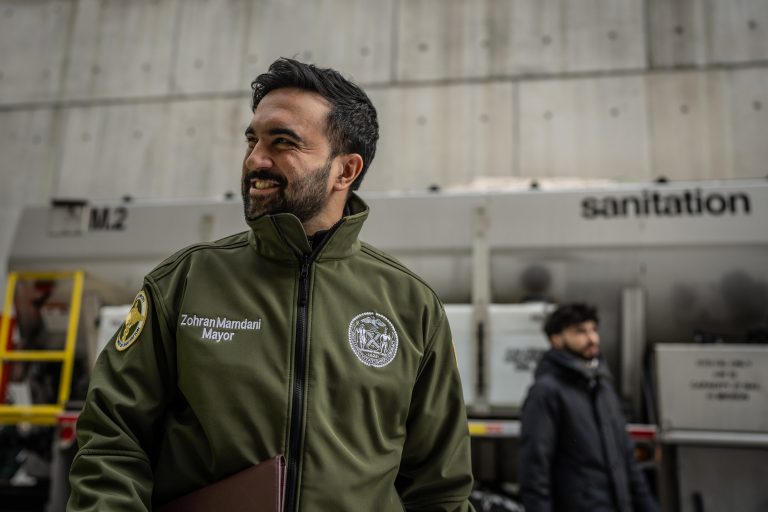
The Department of Sanitation has more than 2,200 vehicles that can be converted into snowplows, more than 700 salt spreaders and 7,000 uniformed workers trained for snow removal, officials said. The department is also preparing 47 pieces of specialized equipment to clear protected bike lanes.
The agency has added bus stops, sidewalks and crosswalks to its internal snow-removal maps. It has also established procedures to position contractors’ equipment ahead of storms based on weather forecasts.
Other measures include eight additional plowing routes in hilly areas of Staten Island, new composite blades for 678 plows and spreaders, and the purchase of 120 snowblowers to clear bus stops and crosswalks.
The city has stockpiled 500 million pounds of salt and registered more than 3,000 emergency snow shovelers, compared with only a few hundred at the same point last year, officials said.
The Department of Transportation has purchased $2 million worth of smaller snow-clearing equipment and developed new procedures with JCDecaux and Citi Bike to clear bus stops and bike-share facilities.
Public schools have acquired 10 all-terrain vehicles equipped with plows, 650 snowblowers and about 3,000 shovels, ice choppers and other tools. The Parks Department is preparing nearly 400 vehicles to clear more than 2,000 miles of pathways.
Housing Agencies Prepare for Heating Emergencies
The Department of Housing Preservation and Development will respond individually to every nonanonymous heat complaint this winter, officials said. Previously, the agency could group complaints from multiple apartments in the same building and close them together once the initial problem was resolved.
If landlords fail to restore heat, the department can arrange emergency repairs and bill property owners for the cost. Buildings with repeated heating failures may also face legal action.
The New York City Housing Authority said it had completed maintenance, inspections and necessary repairs on 965 boilers, 1,472 hot water systems and 1,507 heat distribution systems.
The authority has invested more than $121 million in heating upgrades at four developments since last winter. Another $728 million in projects across 20 developments is expected to reach completion this winter, officials said.
Other preparations include coordinating with utility providers during emergencies, repairing the heating system at Rikers Island and preparing to shift public school students to remote instruction during severe weather.
City Urges Residents to Prepare for Winter
City officials urged residents to review their emergency plans, check on older neighbors and prepare for possible heating or power outages.
Residents can sign up for emergency alerts by texting NOTIFYNYC to 692-692. Tenants experiencing problems with heat or hot water should first notify their landlords and call 311 if the problems remain unresolved. More information is available at nyc.gov/beready.
During the city’s heating season, which runs from Oct. 1 through May 31, apartments must be maintained at a temperature of at least 68 degrees between 6 a.m. and 10 p.m. when outdoor temperatures fall below 55 degrees. Overnight, indoor temperatures must remain at least 62 degrees, regardless of the outdoor temperature, according to city regulations.