



Meng Reintroduces Bill to Make Diwali a Federal Holiday

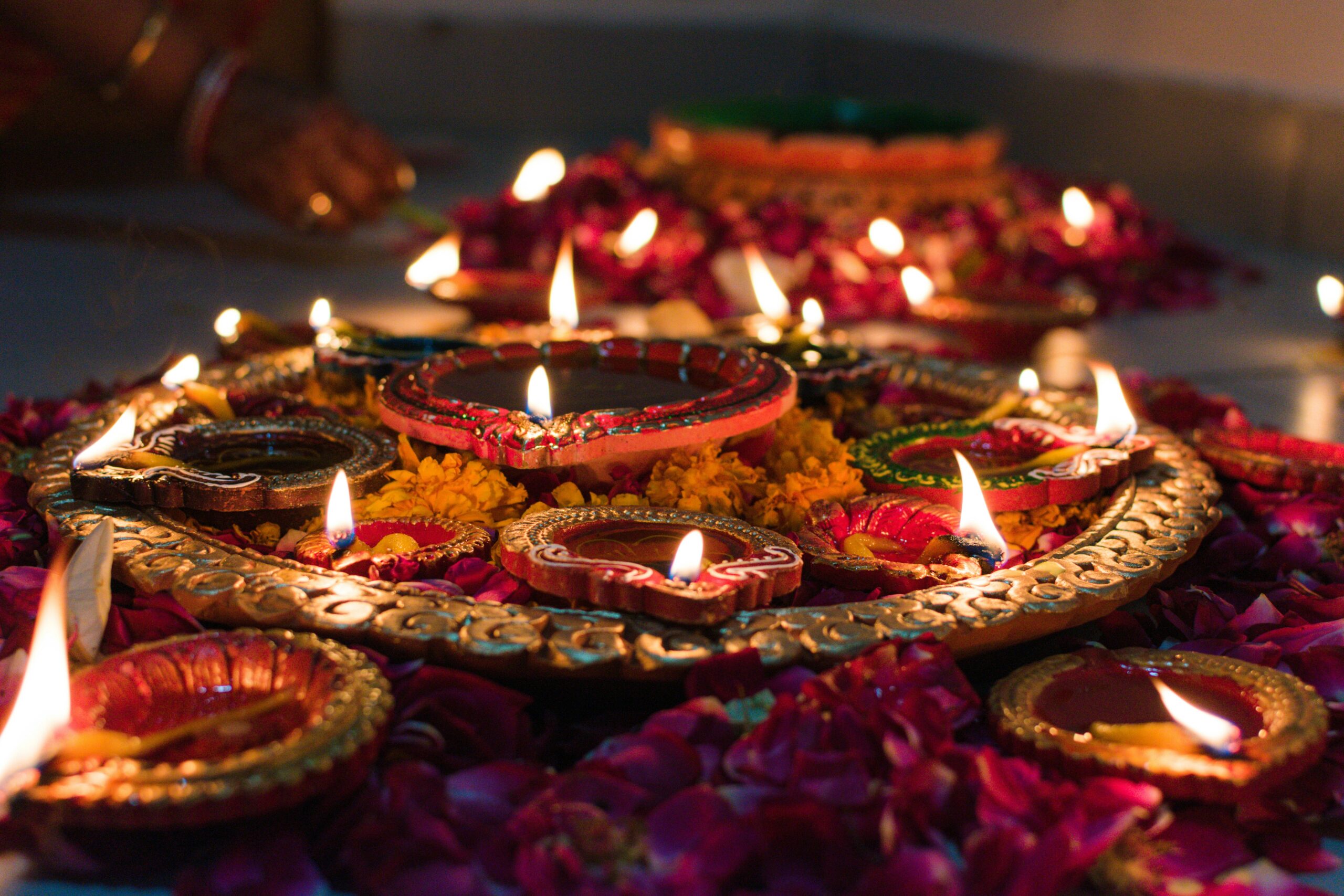
Photo by Udayaditya Barua on Unsplash
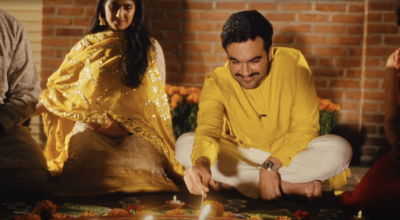
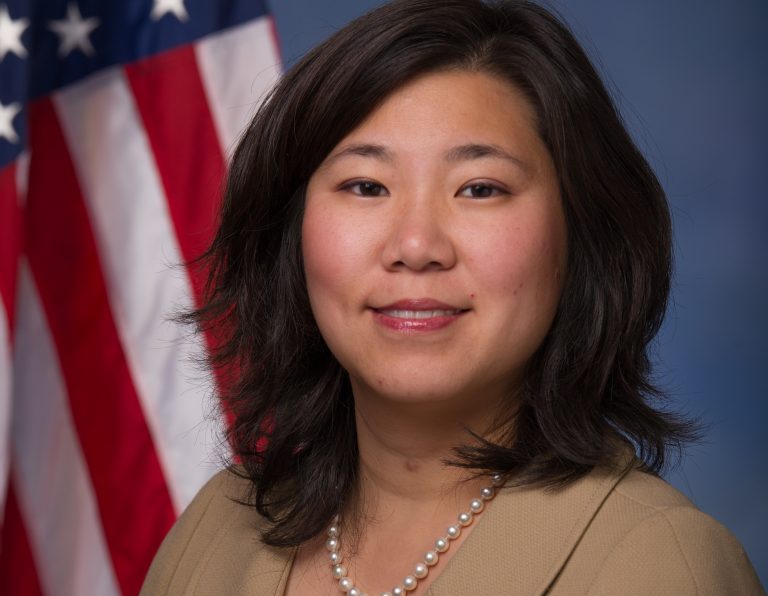
Rep. Grace Meng of New York reintroduced legislation to make Diwali a federal holiday, renewing an effort to give the Hindu festival and its broader cultural significance formal recognition across the United States.
Meng, a Democrat who chairs the Congressional Asian Pacific American Caucus, announced the reintroduction of the Diwali Day Act as communities across the United States and around the world celebrated the Festival of Lights.
The legislation would amend federal law to add Diwali, also known as Deepavali, to the list of federal holidays. If enacted, it would become the 12th federally recognized holiday in the United States, giving federal employees a day off and allowing more Americans to observe the occasion.
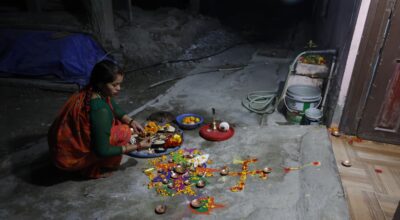
Diwali is celebrated by millions of Americans, including Hindus, Sikhs, Jains and Buddhists, as well as people from South Asian, Southeast Asian and Indo-Caribbean communities. The festival, which falls in October or November according to the Vedic lunar calendar, symbolizes the triumph of good over evil and knowledge over ignorance.
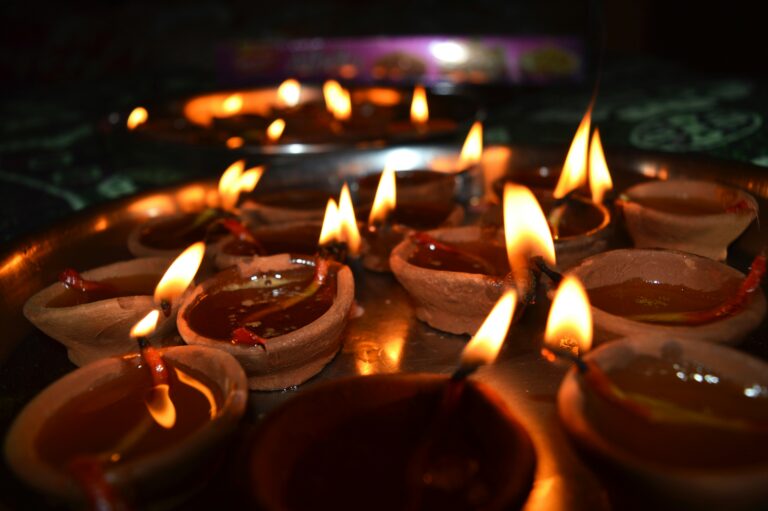
The proposed legislation also recognizes that Diwali coincides with other religious and cultural observances, including Bandi Chhor Divas, Kali Puja and Tihar, the five-day festival widely celebrated in Nepal.
“Diwali represents the triumph of good over evil and knowledge over ignorance,” Meng said. She added that recognizing the festival as a federal holiday would send a message that Hindus, Sikhs, Jains and Buddhists are valued members of American society.
“At a time when anti-Hindu and anti-South Asian hate is on the rise,” she said, federal recognition would also help educate Americans about the significance of the celebration.
Meng pointed to her experience representing Queens, home to large South Asian communities, saying she has seen firsthand how meaningful Diwali is to families and neighborhoods.
The legislation comes amid concerns about hate incidents targeting Hindu and South Asian communities. The caucus cited vandalism at Hindu places of worship, an alleged mass-shooting plot targeting Indian Americans during Navratri celebrations at a Hindu temple in Illinois, and a racist disruption of a Diwali celebration in Washington state.
Meng and other caucus leaders have called for federal authorities to take such incidents seriously and investigate them.
Under the bill, Diwali would be added to the federal holiday provisions in Title 5 of the U.S. Code. The measure would amend the existing list of federal holidays by inserting Diwali Day after Columbus Day.
The bill was introduced in the House during the second session of the 119th Congress and referred to a congressional committee. It does not establish a specific date for the holiday, reflecting the fact that Diwali’s observance varies each year under the lunar calendar.
Nineteen House members have joined Meng as co-sponsors, including Reps. Nanette Barragán, Ami Bera, Judy Chu, Ro Khanna, Raja Krishnamoorthi, Suhas Subramanyam, Tom Suozzi, Shri Thanedar and Rashida Tlaib.
The proposal has also received support from a coalition of Asian American, Hindu, Sikh and South Asian civil rights organizations, including Asian Americans Advancing Justice, the Asian American Federation, the Coalition of Hindus of North America, Hindus for Human Rights, the Sikh Coalition and the Sikh American Legal Defense and Education Fund.
Meng has also introduced legislation to establish Lunar New Year as a federal holiday, part of a broader effort to recognize the cultural traditions of Asian American communities.
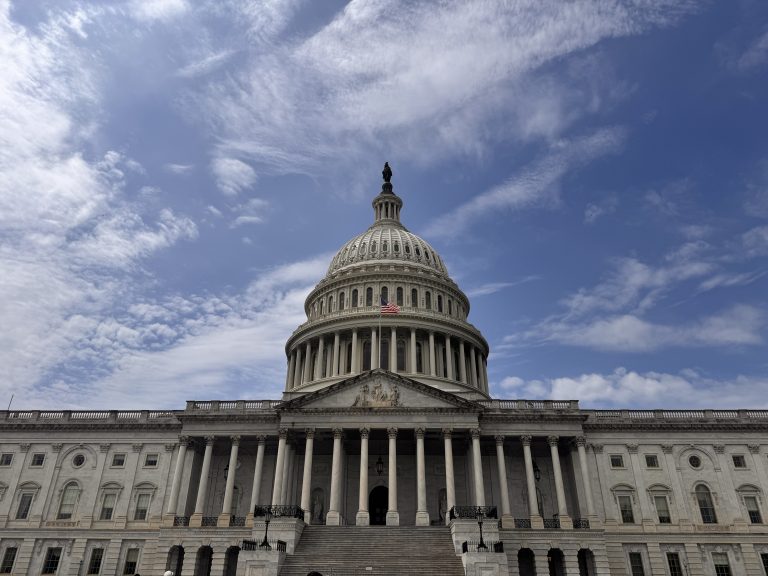
The Diwali Day Act would give the festival formal recognition under federal law, but its passage would require approval by both chambers of Congress and the president’s signature.