The U.S. State Department has not yet announced the registration dates for the DV Lottery 2027, even though the deadline to announce the registration period and later release the results is now just two months away. The delay has left thousands of prospective applicants, including many in Nepal, uncertain about when they will be able to enter the program.
Although the DV lottery typically opens in November, the DV-2027 registration period has already been delayed by eight months. The visa processing window for selected applicants is supposed to begin on Oct. 1, 2026, but the lottery has still not opened, deepening confusion among applicants hoping to participate.
State Department silence
The State Department has remained silent on the delayed opening and has declined to provide a direct explanation. Instead, officials have repeated the same national security message.
A State Department spokesperson told NepYork on Monday evening: “The Trump Administration is protecting our nation and its citizens by upholding the highest standards of national security and public safety through our visa process.”
The spokesperson added that any new updates or changes to the visa process will be posted on the department’s official news page.
Under U.S. law, the registration period for the DV lottery must remain open for at least 30 days. That means the State Department should have already opened registration by the final week of July.
Legal requirements and prior notice
Title 22 of the Code of Federal Regulations says that applications for consideration under INA 203(c) must be submitted online through the website designated by the State Department for that purpose. The department must provide at least 30 days each fiscal year during which foreign nationals may file an entry to seek eligibility for visas in the coming fiscal year.
In a Nov. 5 notice, the State Department said the selection of DV-2027 winners would not affect the visa application period, which would remain Oct. 1, 2026, through Sept. 30, 2027. The notice also said the department would announce the start date for the DV-2027 registration period and the date results would become available through Entry Status Check as soon as practicable.
Passport rule and new restrictions
The State Department has already implemented a rule requiring applicants to submit valid passport details when entering the DV lottery, effective April 10. Officials say the change is intended to curb fraud and ensure only genuine applicants enter the program.
Under the final rule, participants must provide their passport number, name, issuing country and expiration date. They must also upload a scanned copy of the biographic and signature pages of the passport.

The change, which amended 22 CFR Part 42, will apply starting with DV-2027. Certain exceptions are allowed, including for stateless persons, some nationals of communist-controlled countries who cannot obtain passports, and people granted exemptions on an individual basis.
The State Department says the new process should reduce fraud. It said more than 2.5 million fraudulent or duplicate applications were identified in the DV-2025 cycle alone, with widespread third-party registration schemes involving applicants from countries including Bangladesh, Ukraine and Cambodia. In some cases, agents allegedly submitted entries in applicants’ names and later demanded large sums of money or fake marriages after selection.
Costs and payment concerns
Another major change is a new US$1 registration fee, which has already taken effect after being published in the Federal Register on Sept. 16, 2025. The department estimates the fee will generate about $25 million annually.
Until now, DV applicants only paid a $330 fee after selection, which covered operating costs. Officials say the new fee spreads the cost more evenly across all applicants.
But in Nepal, applicants are also worried about how they will pay the fee. More than 1 million Nepalis have typically entered the DV lottery each year, but many local bank cards do not support international payments, leaving applicants unsure how they will complete the transaction.
Nepal Rastra Bank officials say there is no technical problem with Nepal’s payment system, but applicants would need to obtain a dollar card because regular bank cards issued in Nepal generally cannot make such payments. That means applicants may need to open a dollar account and get a card, adding extra steps and costs for people applying only to enter the lottery.
Nepali bank officials say dollar cards can usually be issued with limits of $500 and up to $1,000, but the process is not practical for everyone. For many, the added burden may discourage participation.
Uncertainty in Kathmandu
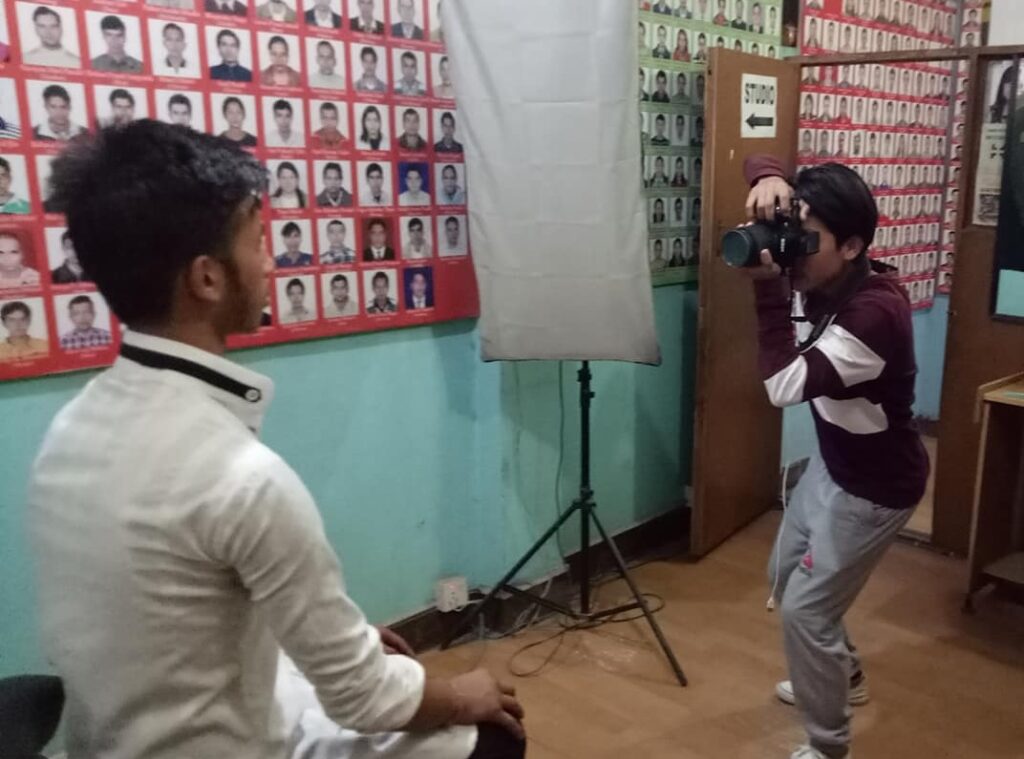
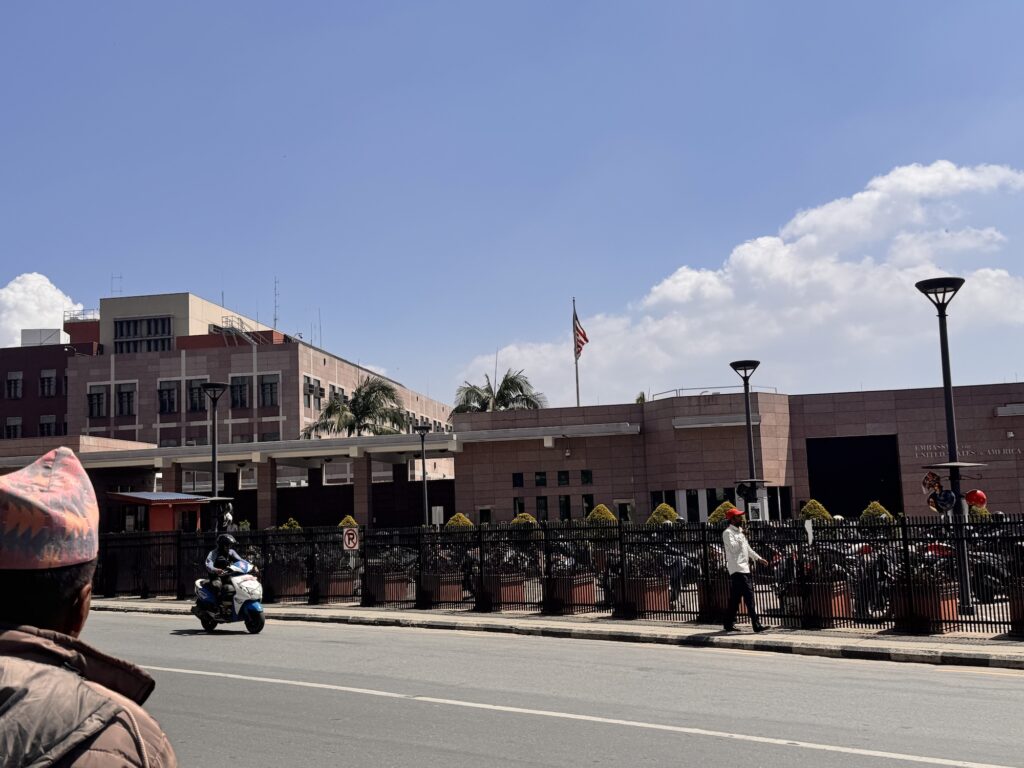
The U.S. Embassy in Kathmandu has urged applicants to enter the lottery themselves from home, but many Nepalis still rely on photo studios and other service providers because of photo requirements, computer access issues and the risk of mistakes.
Operators of businesses that help people file DV entries say the new $1 fee has created fresh uncertainty. One operator at Yara Digital in Kathmandu said they usually help applicants fill out the form for a small service charge, but this year they do not know what payment method will work once the lottery opens.
An immigration attorney in New York, Keshab Seadie, said applicants might be able to use remittance company cards, cards held by friends living abroad, or internet café credit cards, as long as the payment works through an international gateway. He advised applicants not to wait once registration opens, warning that heavy traffic could cause technical problems or system crashes.
How many Nepalis apply
According to State Department Bureau of Consular Affairs statistics, about 1 million Nepalis enter the DV lottery every year. In the DV-2019 program, 1,092,035 Nepalis participated, while 1,026,423 entered in DV-2020.
With the passport rule in place, 688,502 Nepalis participated in DV-2021, a decline from the previous year. Nepal has consistently ranked among the countries with the highest number of DV entries, alongside Ghana, the Democratic Republic of Congo, Egypt, Ethiopia, Iran, Ukraine and Uzbekistan.
Visa freeze continues
Despite the lottery-related changes, visa issuance for diversity visa applicants remains frozen. After USCIS suspended in-country adjustment of status processing for DV-based green cards on Dec. 19, the State Department also halted visa issuance through embassies and consulates and has not resumed it.
The department says interviews may still be scheduled, but no diversity visas have been issued so far. It says the process remains paused until there is full certainty about who may be admitted to the United States.
At least two lawsuits have been filed against President Donald Trump and senior administration officials, accusing them of unlawfully suspending the Diversity Visa program. The complaints challenge USCIS’s indefinite pause on adjustment-of-status applications, the State Department’s worldwide halt on visa issuance and a policy restricting immigrant visas for citizens of 75 “high-risk” countries, including Nepal.
Created in 1990, the Diversity Visa program offers 55,000 visas each year through a lottery system for people from countries with low levels of immigration to the United States. Because millions apply, the odds of selection are generally less than 1%.
With only two months left in fiscal 2026, applicants face the risk of permanently losing access if the process does not begin soon.

Kishor Panthi
View More PostsKishor Panthi is the founder and editor-in-chief of Khasokhas and NepYork. He is the author of three books, “Kampan,” "UNTRANSLATABLE" and “Zero Mile.” He writes about social issues, immigration, and politics.