Nepali climber Purnima Shrestha, who made history by summiting Mount Everest three times in a single season, says she has seen “significant changes” in the world’s highest peak between her first and most recent ascents, raising concerns about climate change and overcrowding.
Women climbers are increasingly contributing to Nepal’s mountaineering legacy, setting new records alongside their male counterparts. Among them, Shrestha has emerged as a leading figure, combining her work as a photojournalist with high-altitude climbing to build an extraordinary career defined by resilience, ambition and advocacy.
Shrestha, a pioneering Nepali mountaineer, photojournalist and climate advocate, became the first woman in the world to summit Everest three times in a single season. She achieved the feat within 13 days in May 2024—on May 12, 19 and 25—a record later recognized by Guinness World Records. As of 2026, she has summited Everest six times and climbed more than eight mountains above 8,000 meters.
From Arughat to Kathmandu
Shrestha was born in Arughat-9, Arutar, in Nepal’s Gorkha district, into a middle-class farming family. Raised in a rural setting with limited access to basic services, she spent her childhood fetching water and helping her parents with agriculture. She said she never dreamed of becoming a mountaineer; mountains were simply distant white peaks.
Despite social pressure for early marriage, she chose a different path. At age 16, she moved to Kathmandu for higher education, completed her School Leaving Certificate, and studied mass communication and journalism. While in college, she began working as a photojournalist, eventually joining the economic daily Karobar. She documented political movements, social change and daily life through her camera. Her work has appeared in international outlets, including The New York Times, and she currently contributes mountain photography to Reuters.
Turning Point in Manaslu
Her life changed in 2017 when she traveled to Manaslu Base Camp (4,800 meters) to cover a marathon as a photojournalist. Seeing climbers from around the world attempt the peak inspired her to ask: “If they can do it, why can’t I?”
With no prior climbing experience, technical training or financial resources, she faced steep challenges. Many doubted her ambitions, and sponsorships were difficult to secure. She raised funds through local organizations, well-wishers and personal loans.
Later that year, she successfully summited Mount Manaslu (8,163 meters), her first 8,000-meter peak. “At the beginning, I had nothing—no experience, no money, no physical preparation. But I wanted to try,” she said.
Rapid Rise in High-Altitude Climbing
After Manaslu, Shrestha’s climbing career accelerated. She summited Everest for the first time in 2018 and went on to climb several major peaks, including Ama Dablam. In 2021, she joined a team of Nepali women to summit Annapurna I (8,091 meters), one of the world’s most dangerous mountains, earning national recognition.
That same year, she and Pasang Lhamu Sherpa Akita became the first Nepali women to summit Dhaulagiri (8,167 meters). In 2022, she climbed Kanchenjunga, Lhotse, Makalu and K2—the world’s second-highest and one of the most challenging peaks—becoming one of the fastest Nepali women to summit multiple 8,000-meter mountains.
Historic Everest Record
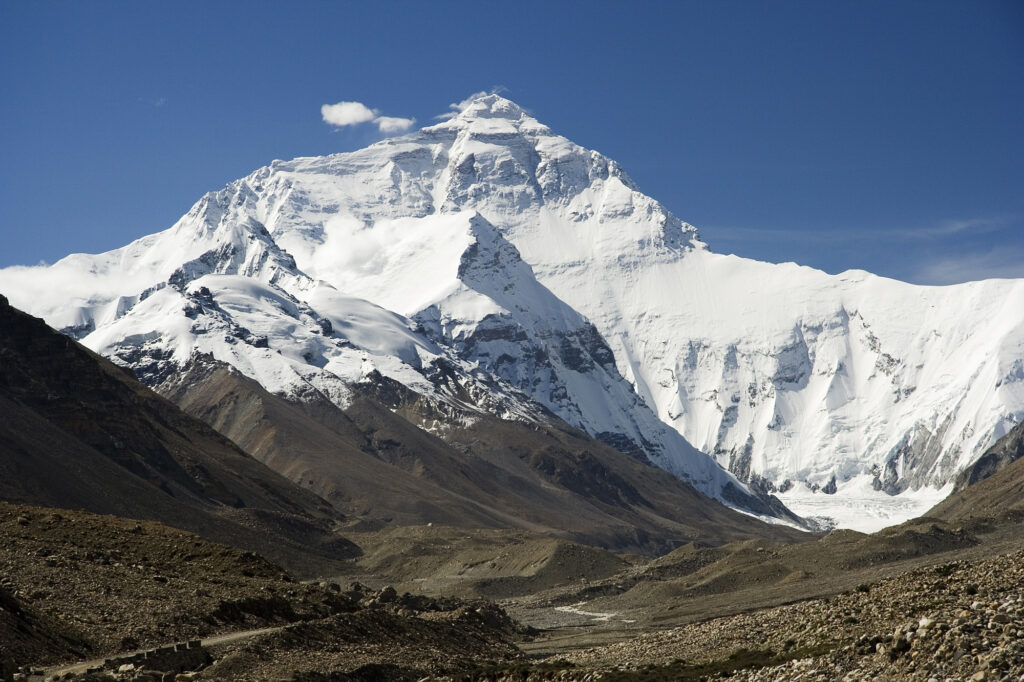
Shrestha’s most notable achievement came in spring 2024, when she summited Everest three times via the South Col route with 8K Expeditions. The climbs—on May 12, 19 and 25—made her the first woman to reach the summit three times in a single season.
“The third ascent was extremely exhausting,” she said. “I felt sleepy while climbing above Camp II and had to rub snow on my face to stay awake.” She reached the summit alongside her guide, Karma Gyaljen, and was overcome with emotion.

Guinness World Records officially recognized her achievement on March 8, 2026, International Women’s Day. CNN later listed her among the world’s top sports personalities of 2024.
Continued Climbs and Sixth Summit
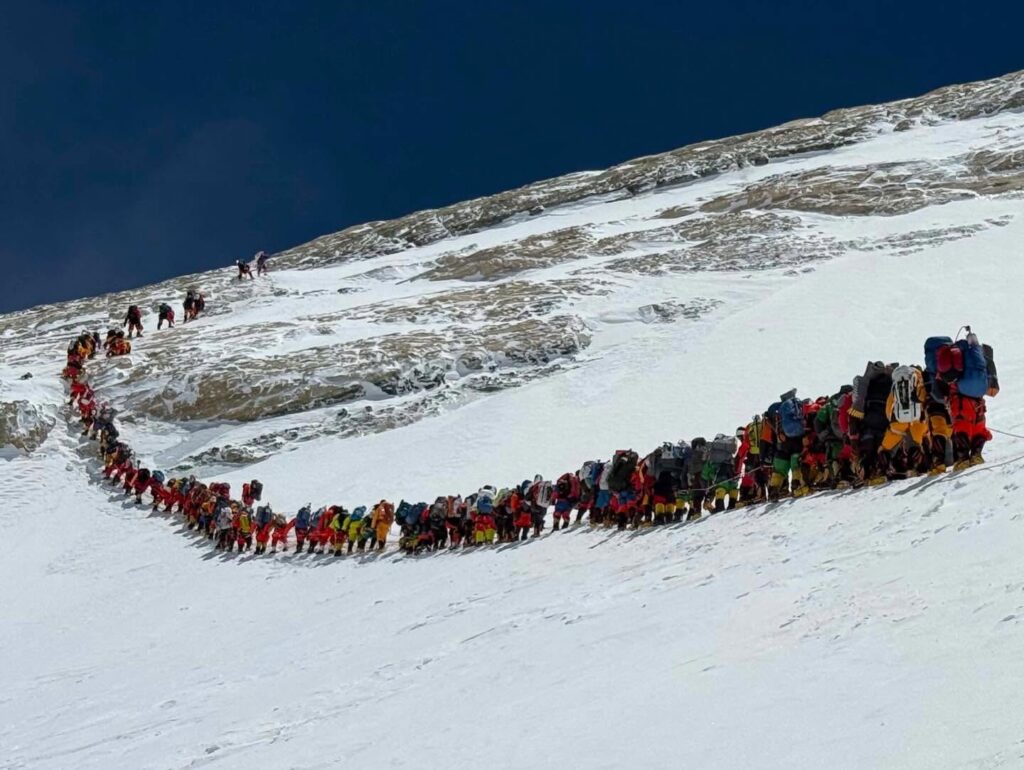
By 2025, Shrestha had summited Everest five times. On May 20, 2026, she reached the summit for the sixth time with Satori Adventures, also serving as a guide. That day, 22 climbers reached the summit. In the same season, Everest saw a record 274 climbers summit in a single day; a photograph taken by Shrestha was distributed by Reuters.
She has now climbed 8,000-meter peaks more than 14 times and aims to summit all 14 of the world’s highest mountains.
Financial, Social and Physical Challenges
Each expedition costs tens of thousands of dollars; her 2024 Everest campaign alone cost about $56,000. She financed her climbs through loans, family support and later sponsorships. She also faced risks such as altitude sickness, harsh weather and traffic congestion on the mountain.
“As a woman, it was not easy in a society that doubts women’s ability to do such work,” she said, noting additional physical challenges. She advocates for better insurance, safety and retirement support for Sherpas and porters. “This is a profession limited by physical capacity. The government should ensure retirement funds and insurance,” she said.
Climate Advocacy and Concerns
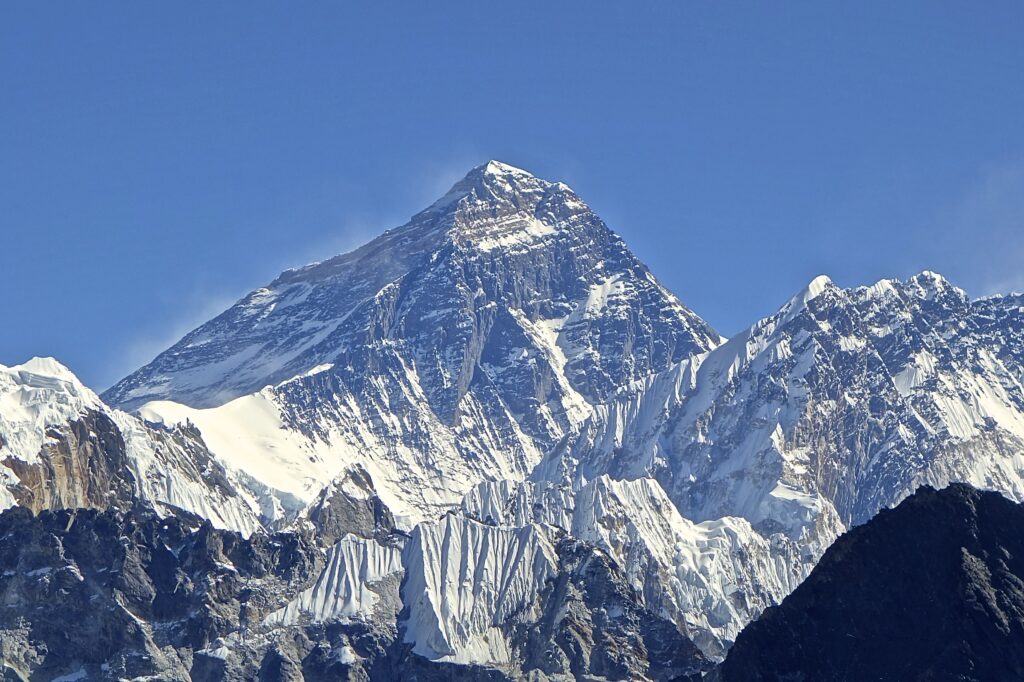
Through her photography, Shrestha documents both the beauty of the Himalayas and the growing impact of climate change. “Mountains are the water towers of the Earth,” she said, warning that rapid ice melt threatens the future.
She said Everest has changed noticeably since her first visit, citing melting snow and increasing waste. She also expressed concern about overcrowding and poor waste management, urging the government to promote other peaks and regulate Everest permits.
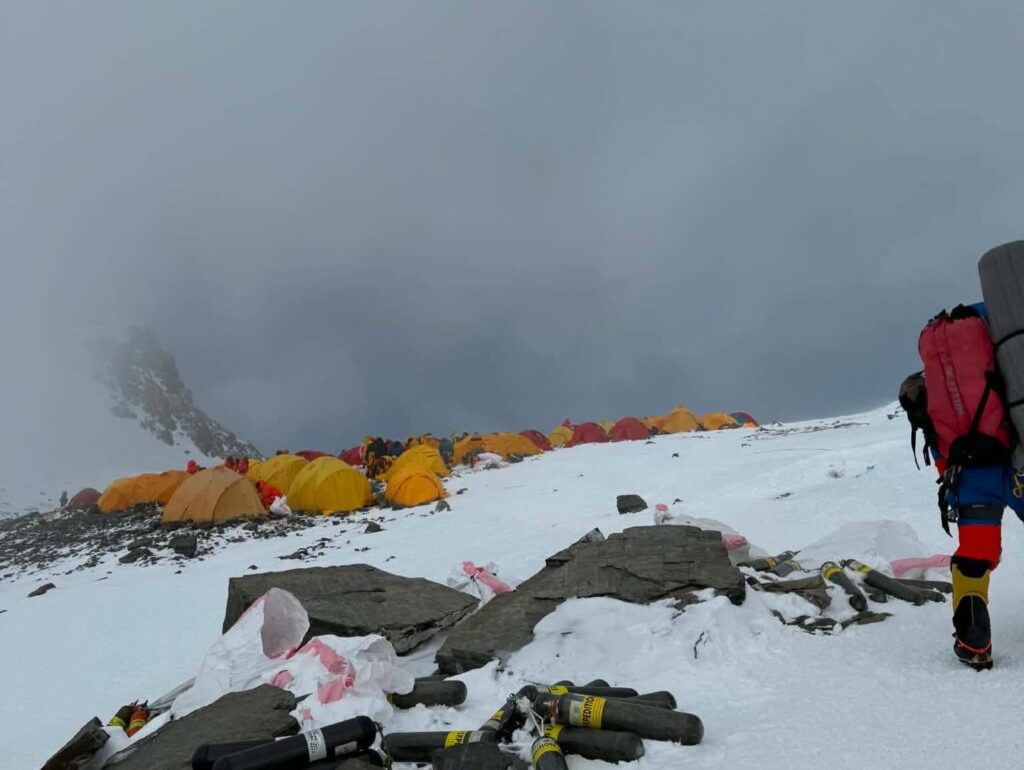
“Climbers should be required to summit other 8,000-meter peaks before attempting Everest,” she said, arguing that it would distribute traffic, boost tourism and ease pressure on the mountain.
Shrestha continues to guide climbers and sell mountain photography to international media, and says she will keep climbing as long as her body allows. She also aims to show the realities of high-altitude suffering through her camera.
Inspiring a New Generation
Shrestha’s journey—from a remote village in Gorkha to the summit of the world’s highest peaks and the pages of Guinness World Records—has become a source of inspiration, particularly for young women.
“Climbing mountains requires not only physical strength, but also mental resilience and the courage to dream,” she said. “The important thing is to try.”

Dipendra Dhungana
View More PostsDipendra Dhungana is a journalist based in Kathmandu with over a decade of experience in photojournalism. His work has been featured in numerous national and international outlets, showcasing the stories and resilience of the Nepali people. He is also a contributing journalist for NepYork.