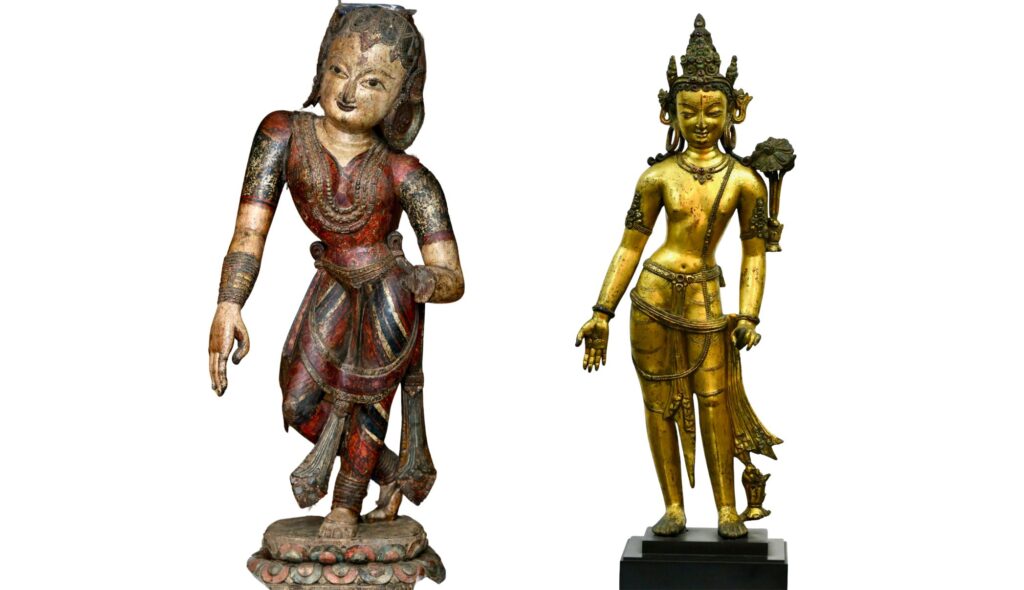
The Consulate General of Nepal formally received two stolen antiquities — a 13th-century gilt-bronze Padmapani and a 16th-century wooden statue of a dancing goddess — during a handover ceremony on Tuesday. Dadhiram Bhandari, the Consul General of Nepal in New York, and Col. Matthew Bogdanos, the Chief of the Antiquities Trafficking Unit at the Manhattan District Attorney’s Office, signed the Minutes of Concurrence on the occasion, formally transferring the ownership of these artifacts to the Government of Nepal.
The artifacts were returned following a criminal investigation by the Manhattan District Attorney’s Office, which seized them from prominent American cultural institutions and auctions. The sculptures were recovered through the dedicated efforts of the District Attorney’s Office in close collaboration with the U.S. Department of Homeland Security Investigations (HSI) and other partner institutions.
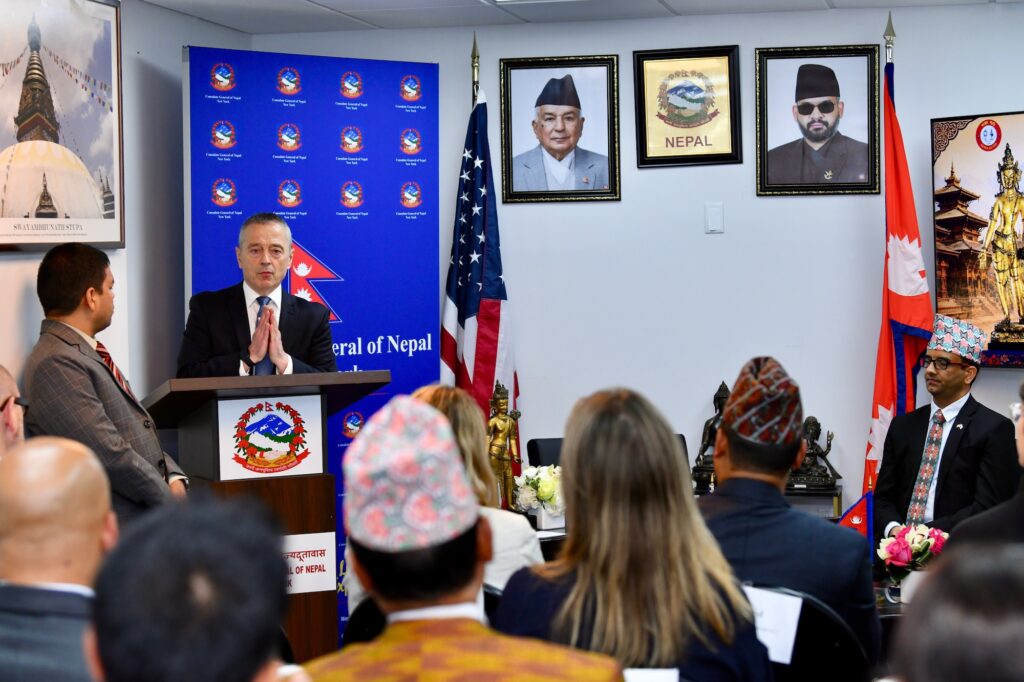
“These artifacts were stolen, not merely lost,” said Col. Matthew Bogdanos, who spoke on behalf of District Attorney Alvin Bragg Jr. Bogdanos said his office has a duty to recover stolen cultural property and return it to its rightful home. He credited investigators and cultural property specialists, including Hilary Chassé and Aaron Thompson, for helping bring the case to completion.
The 16th-century wooden sculpture of the Goddess of Dance, known as Nrityadevi, originated from I-Baha Bahi in Patan, Nepal. It was last photographed in its temple in August 1969 and smuggled into the United States between 1969 and 1983 before being seized from the Metropolitan Museum of Art in New York.
The 13th-century Padmapani originated from Tham-Bahil, also known as Vikramashila Mahavihara or Bhagwan Bahal, in Kathmandu. It was last photographed in 1971, smuggled into the U.S. between 1971 and 1977, and auctioned by Christie’s New York in 2012. It was later seized after being loaned to the Berkeley Art Museum in California.
Nepali officials and community leaders emphasized that the items hold deep spiritual significance beyond their artistic value.
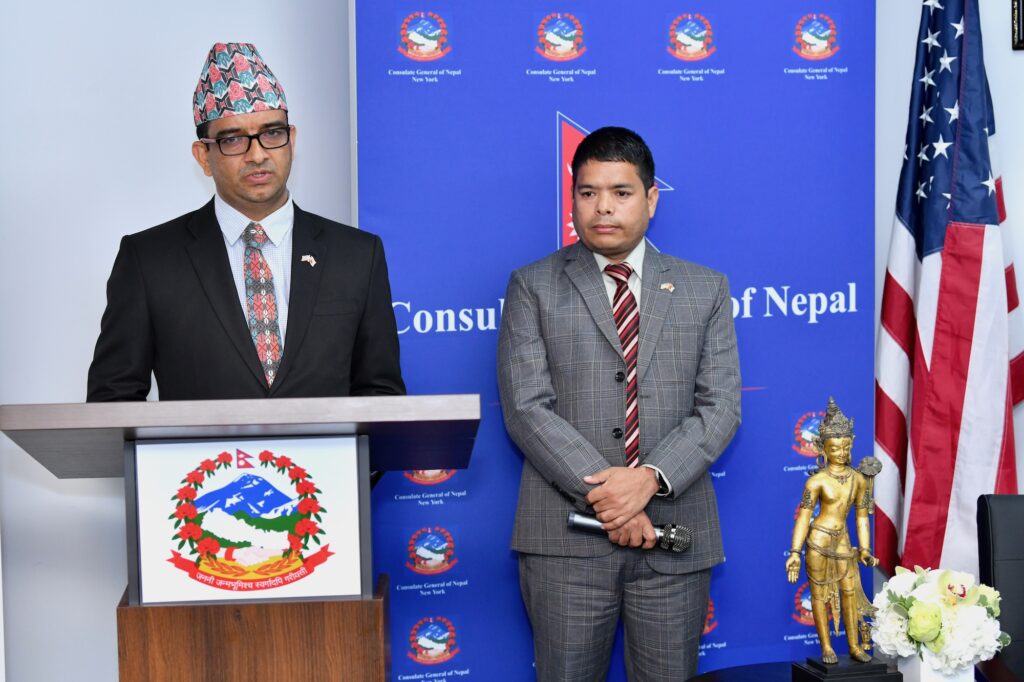
“The return of the artifacts reflects the restoration of Nepal’s heritage, identity, and soft power,” said Consul General Dadhiram Bhandari, adding that the statues belong to the Kathmandu Valley’s living museum of temples, courtyards, and monasteries.
Bhandari conveyed the profound gratitude of the Government and people of Nepal to the United States Government, the New York County District Attorney’s Office, Homeland Security Investigations, researchers, museums, heritage campaigners, and community members. He underscored that the growing cooperation between Nepal and the United States in combating the illicit trafficking of cultural property serves as an exemplary model of international partnership. He also expressed sincere appreciation to the Nepali diaspora and community organizations, particularly the Newa Guthi, New York, for their longstanding support.
Following the handover ceremony, the two antiquities will be carefully packed and shipped to Nepal on June 25, 2026. The transportation and logistical arrangements are being facilitated in close coordination with the Consulate General and the Newa Guthi, New York, whose representatives will accompany the shipment to Nepal. Upon their arrival in Kathmandu, the antiquities will be formally handed over to the Department of Archaeology for appropriate conservation, stewardship, and eventual restoration to their original seats.
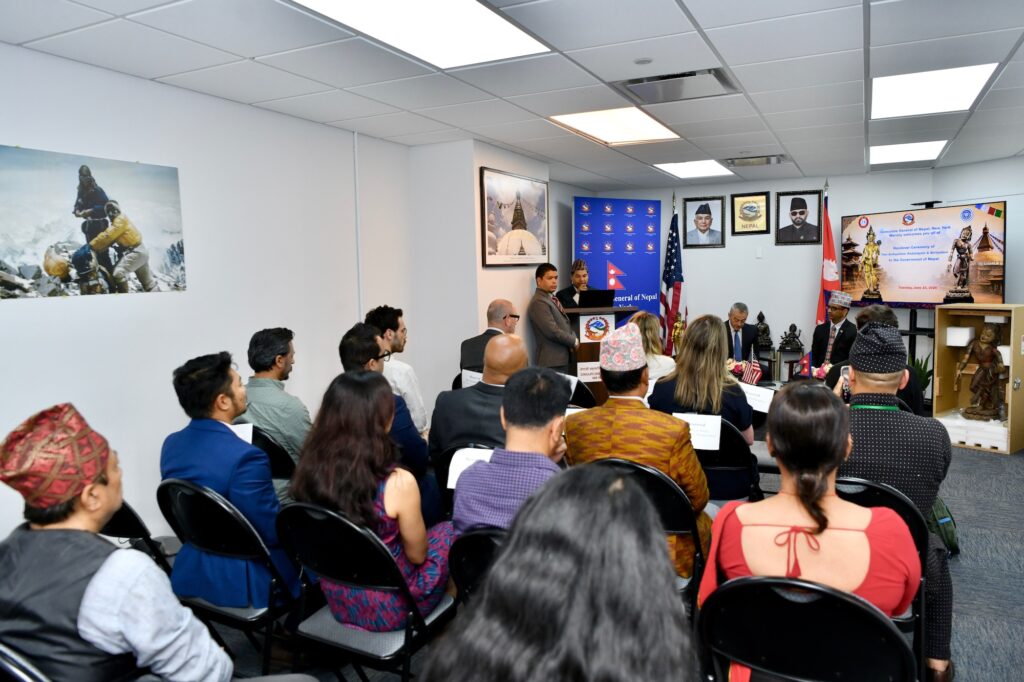
Rajendra Maharjan, president of the Newa Guthi New York community organization, said the statues are sacred embodiments of deities central to Nepali spiritual life. Maharjan noted that the Newar diaspora community has long worked to preserve Nepal’s culture in the U.S. through festivals, rituals, and cultural education, and previously helped facilitate the return of other sacred artifacts in 2024 and 2025.
Sameer Maharjan, a businessman and senior vice chairman of the World Newa organization, said he was emotional and proud to see the ceremony take place. He said the statues hold personal and communal meaning because they are tied to the Kathmandu Valley’s living religious traditions. He added that the return of such objects is not only the recovery of a statue but the return of history, identity, and spiritual connection.
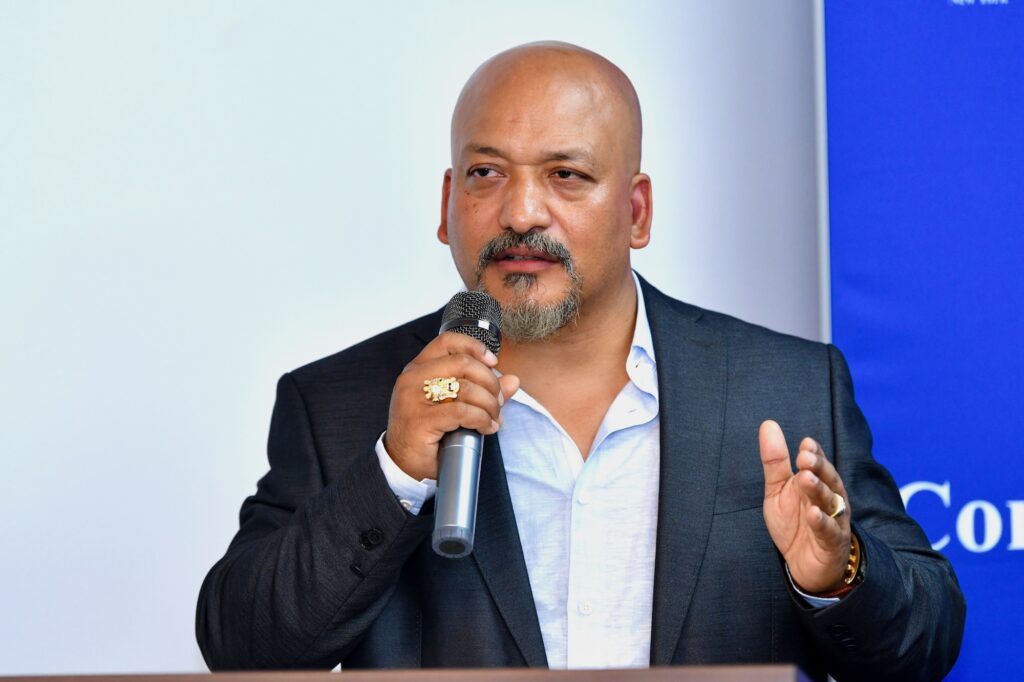
Consul Prem Bahadur Burthapa opened the program by welcoming guests and outlining the handover process, which included remarks from community representatives and the presentation of appreciation letters and tokens of love.
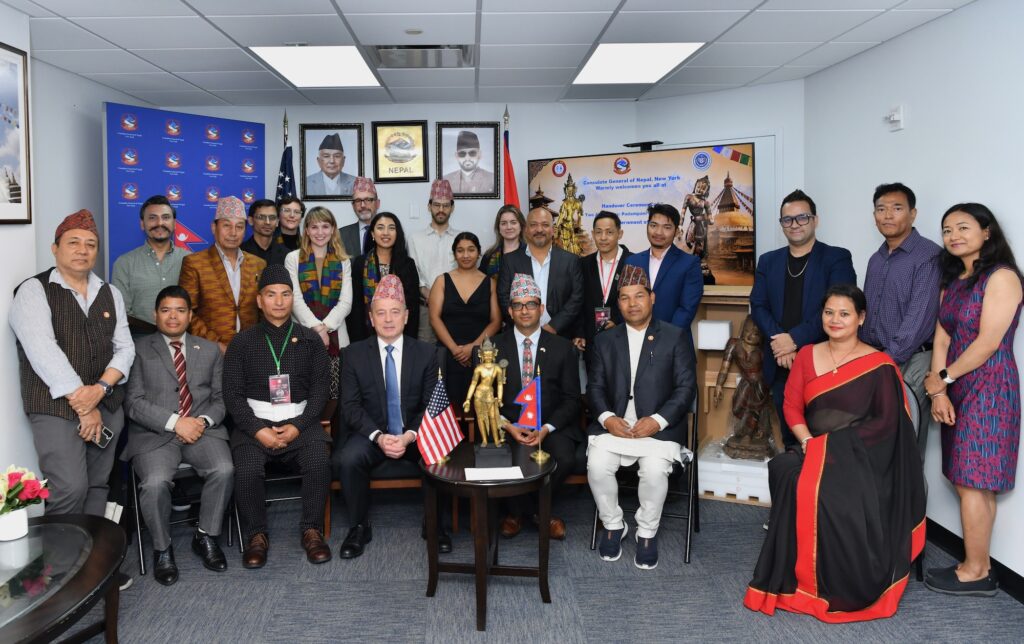
The event, attended by senior officials, professors, heritage advocates, and media persons, concluded with the presentation of letters of appreciation to Bogdanos and others who assisted with the recovery effort. The consulate stated it will continue working with Nepali and U.S. partners to identify and repatriate additional stolen artifacts.

Kishor Panthi
View More PostsKishor Panthi is the founder and editor-in-chief of Khasokhas and NepYork. He is the author of three books, “Kampan,” "UNTRANSLATABLE" and “Zero Mile.” He writes about social issues, immigration, and politics.