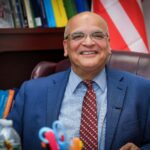
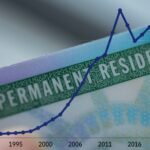
Rep. Grace Meng of New York on Friday criticized a new Trump administration policy that would require certain immigrants seeking lawful permanent residency to leave the United States and apply for green cards from their home countries.
Meng, who chairs the Congressional Asian Pacific American Caucus (CAPAC), said the policy marks a significant shift from longstanding practice that has allowed many applicants to adjust their status while remaining in the United States.
In a statement, Meng said the change could lead to prolonged family separations and disrupt the lives of immigrants who are already living, working, or studying in the country on temporary visas.
According to a U.S. Citizenship and Immigration Services memo issued this week, applicants for permanent residency who are in the United States may be required to complete the process through consular processing abroad, rather than adjusting status domestically.
Meng said the policy could disproportionately affect immigrants from countries subject to existing visa or travel restrictions, including several in Asia, potentially extending separations for years.
She also expressed concern about the impact on students, researchers, and workers who have established ties in the United States, saying the requirement to leave the country could force them to abandon jobs, education, and businesses.
Meng said she and other lawmakers would seek ways to challenge the policy and push for its reversal.
U.S. Citizenship and Immigration Services, in a policy memo issued this week, said that as a general matter, immigrants seeking permanent residency should apply through consular processing outside the United States rather than seek adjustment of status from within the country.
The memo describes adjustment of status under Section 245 of the Immigration and Nationality Act as “a matter of discretion and administrative grace,” rather than a routine alternative to the standard immigrant visa process.
The agency said it is reaffirming what it described as a consistent and longstanding approach, directing officers to evaluate applications on a case-by-case basis and consider the totality of circumstances. Factors may include immigration violations, fraud, false testimony, failure to comply with visa conditions, and other conduct affecting eligibility for permanent residence.
USCIS spokesman Zach Kahler said the policy reflects a return to the original intent of the law, adding that individuals in the United States temporarily who seek green cards should generally apply from abroad, except in extraordinary circumstances.
Kahler said the change is intended to reduce incentives for individuals to remain in the country unlawfully after being denied residency and to allow the agency to focus resources on other priorities, including visas for crime and trafficking victims and naturalization cases.
The memo also states that the primary pathway for most individuals seeking permanent residence is immigrant visa processing through the State Department abroad. It adds that individuals admitted temporarily are generally expected to depart when their authorized stay ends and pursue permanent residence from outside the United States if they later choose to immigrate.
Under the guidance, failure to depart as required or attempts to remain after a temporary stay may be considered significant negative factors in discretionary decisions. Officers are instructed to weigh both favorable and unfavorable factors, including family ties, immigration history, and moral character.
The policy further requires that denial notices clearly explain the reasons for rejection in writing, including why negative factors outweighed positive ones in discretionary cases. USCIS said the memo is intended to guide officers and does not create any new enforceable rights or benefits.
The changes could affect some individuals already in the United States on temporary visas who later seek permanent residency. The agency said additional category-specific guidance may be issued, noting that discretion remains in individual cases and that certain statutory exceptions still apply.

Kishor Panthi
View More PostsKishor Panthi is the founder and editor-in-chief of Khasokhas and NepYork. He is the author of three books, “Kampan,” "UNTRANSLATABLE" and “Zero Mile.” He writes about social issues, immigration, and politics.