


Nepali American Bishwa Bahadur Shah Launches Bid for New Hampshire House

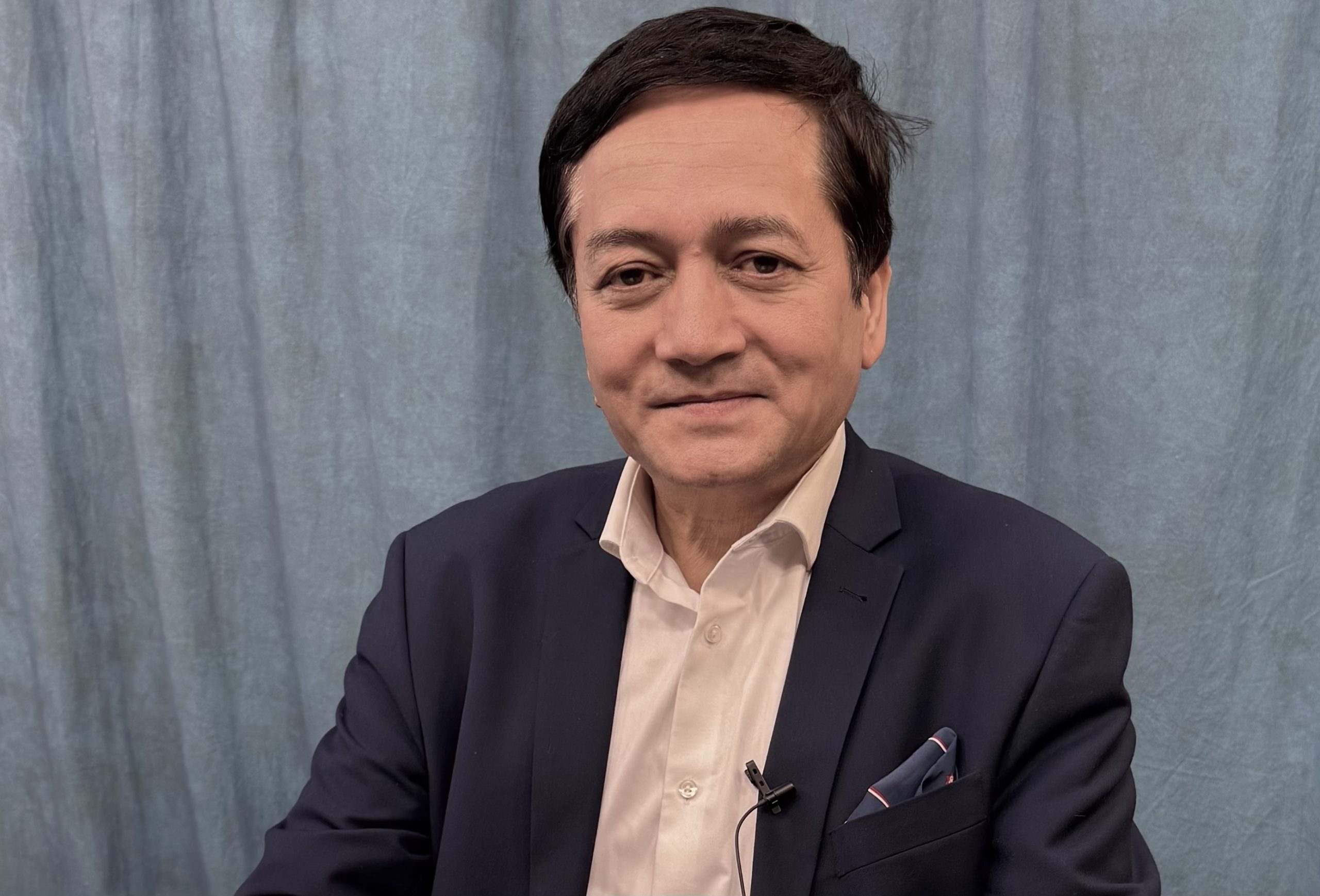
Bishwa Bahadur Shah, a first-generation Nepali American and Manchester resident, is the Democratic nominee for the New Hampshire House of Representatives in Hillsborough County District 41.
Bishwa Bahadur Shah, a first-generation immigrant from Nepal and Manchester resident, has announced his candidacy for the New Hampshire House of Representatives in Hillsborough County District 41. The multi-seat district covers Wards 2, 4, 5 and 7 in Manchester. District 41 elects three representatives to the 400-member state House.
Shah, a Democrat, said his campaign will focus on affordability, economic fairness, public education, health care, child care and support for older residents. He is competing in the Sept. 8 Democratic primary, in which voters will select three nominees to advance to the Nov. 3 general election.
“I am running because hardworking families deserve fairness and a real chance to thrive,” Shah said in a statement.
Shah emphasized policies aimed at making health care and child care more affordable, fully funding public schools and providing tax relief to working families. He also called for policies ensuring senior citizens are treated with dignity and supported in retirement.
A naturalized U.S. citizen, Shah described his path from Nepal to the United States as an example of the American dream. He and his wife are raising two children in Manchester; their daughter is studying medicine, and their son is pursuing an engineering degree.
If elected, Shah said retaining young adults in Manchester after graduation will be a central priority. He pledged to expand career opportunities and help young residents afford their first home or apartment.
“Too many young adults leave our city after graduating,” Shah said. “I want to change that.”
Shah is running in a four-way Democratic primary field that includes incumbent Rep. Lily M. Foss, as well as candidates Rebecca Smith and Tom Stewart.
“I humbly ask for your vote,” Shah said. “Allow me the honor of serving you and our community.”
Shah’s campaign comes as Nepali American candidates across the country work to translate growing community visibility into legislative influence.
The surge in political activity follows a significant demographic transformation. According to Department of Homeland Security data compiled by NepYork, 20,926 Nepali Americans had acquired U.S. citizenship by 2014. Over the following decade, more than 67,000 additional Nepalis became naturalized citizens. Combined with recent projections, the naturalized electorate now exceeds 100,000 eligible voters nationwide.
Demographic estimates from the Pew Research Center show that the U.S.-born Nepali population reached roughly 50,000 in 2023, expanding the voter base as second-generation citizens reach voting age.
In Maryland’s June 23 Democratic primary, Satish Chapagain secured a spot on the November ballot in House of Delegates District 7A. Chapagain finished second in a four-candidate primary with 26.1% of the vote, or 2,718 votes, alongside co-nominee Lydia Xinzhen Brown. The business owner and Baltimore County Democratic Central Committee member campaigned on everyday economic issues, including food prices, energy costs and school funding. He will challenge Republican incumbents Ryan Nawrocki and Kathy Szeliga in November.
“Families across Maryland are currently thinking about the basic issues that directly affect their daily lives,” Chapagain said during the primary campaign.
In neighboring District 8, incumbent Del. Harry Bhandari — the first Nepali American elected to a state legislature in the nation — led the Democratic primary field, placing first with approximately 25.5% to 25.8% of the vote to secure his nomination for a third term. Bhandari, who has helped direct $150 million in budget allocations to his district, including $950,000 for local community programs, advances alongside fellow Democratic nominees Kim Ross and Nick Allen to the general election.
“When Nepalis vote, organize, volunteer and run for office, our community becomes visible,” Bhandari said.
In New York, incumbent Assemblymember Sarahana Shrestha automatically advanced to the Nov. 3 general election in the 103rd Assembly District after the June 23 Democratic and Working Families Party primaries were canceled because she had no primary challengers. First elected in 2022 as the nation’s first female Nepali American state legislator, Shrestha continues to champion progressive policy, including public-energy reform, broadband access in temporary housing and AI consumer protections. She faces Republican challenger Santos Lopez in November.nyassembly+1
In Queens’ open 30th Assembly District, community organizer Somnath Ghimire campaigned in a competitive three-way Democratic primary focused on tenant protections, language access and funding for South Asian students. Ghimire received 718 votes in the primary; Patrick Martinez prevailed over Shamsul Haque by seven votes after a recount.