



Travel on Advance Parole Can Trigger Re-Entry Bars for Unlawfully Present Immigrants, BIA Rules

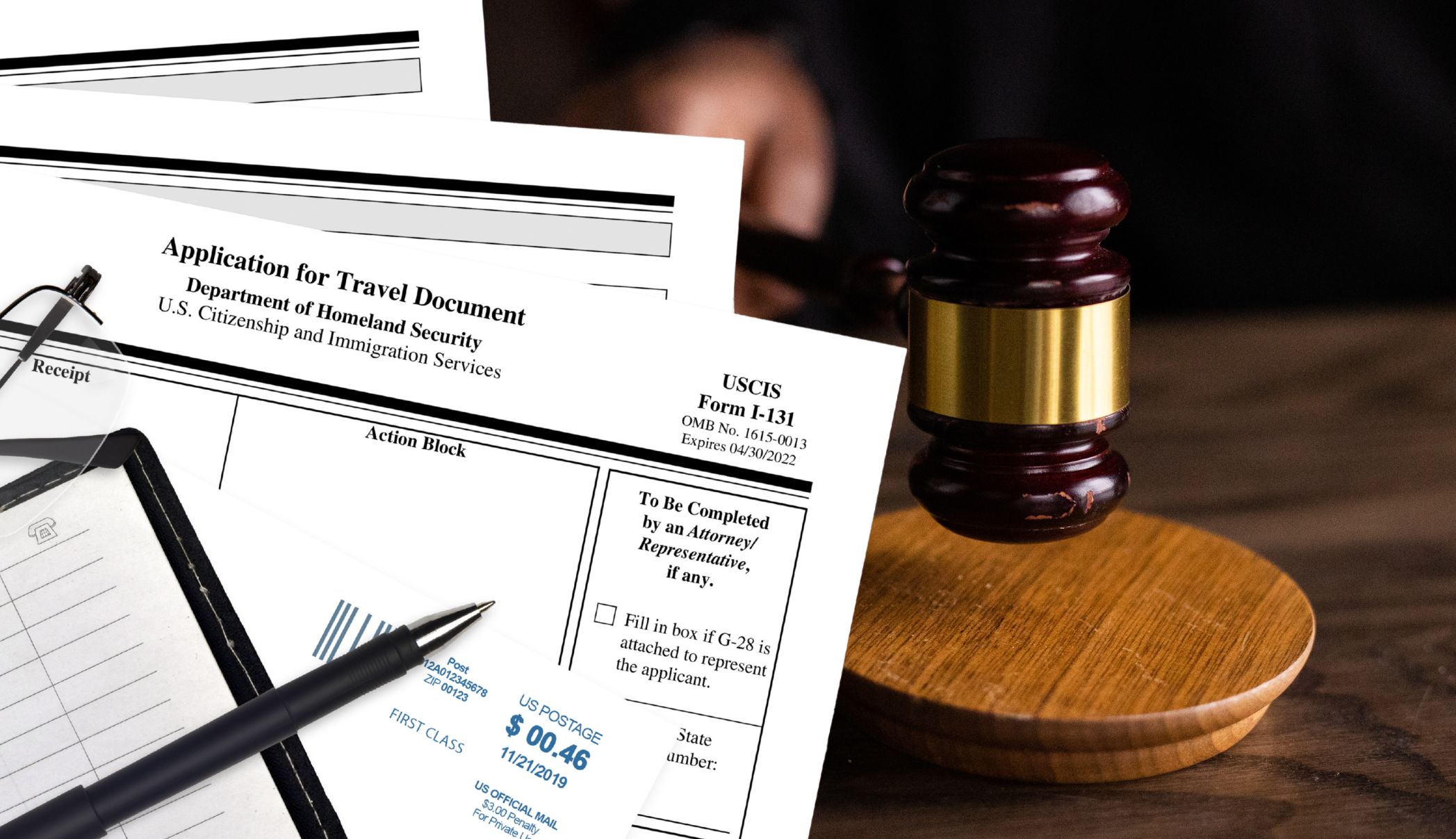
The Board of Immigration Appeals on Thursday overturned a 14-year-old precedent that had shielded some immigrants from unlawful-presence penalties after temporary travel abroad under advance parole, ruling that such travel constitutes a “departure” under federal immigration law.
In Matter of Delcarmen-Lara, a precedential decision issued Aug. 13, the three-member Board held that a person who leaves the United States under a grant of advance parole may trigger the Immigration and Nationality Act’s 10-year unlawful-presence bar if they previously accrued at least one year of unlawful presence. The decision expressly overruled Matter of Arrabally and Yerrabelly, a 2012 BIA ruling that had treated advance-parole travel differently from an ordinary departure.
The Board said its new interpretation will apply only prospectively, protecting people who traveled under advance parole while relying on the 2012 precedent. But the decision could substantially affect future travel decisions by Deferred Action for Childhood Arrivals recipients, adjustment-of-status applicants, and others who may have accrued unlawful presence before receiving advance parole.
What the ruling changes
Section 212(a)(9)(B)(i)(II) of the INA makes a noncitizen inadmissible for 10 years if the person accumulated one year or more of unlawful presence in the United States and then departs or is removed, unless a waiver or another form of relief applies.
For more than a decade, Arrabally and Yerrabelly provided an important exception. The BIA concluded in that case that a temporary trip under advance parole did not count as a “departure” for purposes of the unlawful-presence bar because the government had authorized the individual to travel and anticipated the person’s return.
Thursday’s decision rejects that reading.
“A departure from the United States pursuant to a grant of advance parole is a ‘departure’” under the relevant unlawful-presence provision, the Board held. The decision means that advance parole does not, by itself, prevent the three- or 10-year unlawful-presence bars from being triggered by a trip abroad.
Advance parole is a discretionary travel authorization that allows certain noncitizens who are in the United States to seek parole back into the country after temporary international travel. It is commonly used by some DACA recipients and people seeking to adjust status to lawful permanent residence.
Board’s reasoning
Deputy Chief Appellate Immigration Judge Gorman wrote the decision for a panel that also included Appellate Immigration Judges Montante and Gallow.
The Board said the statutory text does not define “departure” and contains no language exempting travel conducted under advance parole. Citing ordinary dictionary usage, the decision stated that “depart” means “to go away: leave.”
“The statutory text does not contain limiting language that exempts certain departures from this definition,” Gorman wrote.
The Board also found that Congress has expressly addressed advance-parole travel and temporary absences in other parts of immigration law. For example, Congress has provided specific rules about advance-parole absences for certain legalization provisions and has addressed brief departures in laws governing cancellation of removal and Temporary Protected Status.
Because Congress included exceptions in those provisions but not in the unlawful-presence statute, the Board concluded that it could not read an advance-parole exception into Section 212(a)(9)(B)(i)(II).
The decision noted that, before Arrabally, government policy memoranda and advance-parole documents had warned that travel could result in inadmissibility and ineligibility for adjustment of status without a valid waiver.
Delcarmen-Lara’s case
The ruling arose from the case of Milagro Delcarmen-Lara, a native and citizen of El Salvador.
An immigration judge ordered Delcarmen-Lara removed on Dec. 7, 2006, after finding her removable and ineligible for Temporary Protected Status. The BIA affirmed that decision on June 17, 2008. She later received DACA in 2013, and U.S. Citizenship and Immigration Services approved an I-130 immigrant petition filed by her U.S. citizen husband on July 9, 2014.
Delcarmen-Lara temporarily traveled abroad with advance parole and was paroled back into the United States on Jan. 1, 2024. On May 27, 2025, she filed her second motion to reopen her removal proceedings so that she could seek adjustment of status based on the approved family petition.
Although the Board overturned Arrabally, it did not apply the new interpretation to Delcarmen-Lara’s 2024 trip because the rule is prospective. Therefore, the Board did not decide whether her advance-parole travel made her inadmissible or ineligible for adjustment of status.
The Board nevertheless denied her motion to reopen. It found that the filing came more than 16 years after the BIA’s final 2008 order, far beyond the general 90-day deadline, and that it was barred because it was her second motion to reopen. The Board also declined to use its discretionary authority to reopen the case on its own initiative.
Prospective rule protects past travelers
The Board conducted a five-factor retroactivity analysis because it was explicitly reversing longstanding precedent. It concluded that retroactive application would be inappropriate because the decision marked a significant change in the law and immigrants may have relied on the prior rule when deciding to travel.
As a result, the new rule applies to future advance-parole travel, not trips taken before Thursday’s decision in reliance on Arrabally and Yerrabelly.
According to New York-based immigration attorney Keshab Raj Seadie, the practical consequences for future travelers may be significant. A person who accrued sufficient unlawful presence before leaving the United States under advance parole could be found inadmissible for three or 10 years and may need an approved waiver before obtaining a green card or otherwise being admitted.
“The ruling does not mean every advance-parole traveler automatically becomes subject to a 10-year bar,” Seadie said. “The result depends on a person’s individual immigration history, including the amount and timing of unlawful presence, possible statutory exceptions, and eligibility for waivers or other relief. People considering international travel on advance parole should obtain individualized legal advice before leaving the country.”