A small Japanese restaurant in New York’s Jackson Heights is telling a larger story about immigrant perseverance and Nepali entrepreneurship.
Located on 37th Avenue in Queens, Happy Kitchen sits in one of the city’s most diverse neighborhoods, home to South Asian, Latin American, Tibetan, Nepali and Bangladeshi communities. While the area is best known for its variety of ethnic cuisines, Happy Kitchen stands out for its Japanese menu—and for the story behind it.
The restaurant is closely associated with Nepali-origin entrepreneur Manita Gurung, who came to the United States several years ago in search of better opportunities. Like many immigrants, she faced language barriers, cultural adjustments and financial challenges. Through persistence and steady effort, Gurung entered the restaurant business and gradually built her own identity in New York’s competitive food industry.
Running a restaurant centered on a different culture’s cuisine presents additional challenges, including market competition, customer education and financial risk. Gurung navigated those hurdles and helped establish Happy Kitchen as a recognized and trusted name in the local community.
The restaurant’s history dates back more than two decades, with its origins in the late 1990s. At the time, Japanese cuisine was less common in Jackson Heights, where South Asian and Latin American eateries dominated. Introducing dishes such as sushi, sashimi and tempura to a broader audience required time and consistent outreach.
Over the years, a focus on quality food and customer service helped build a loyal customer base. Many diners who try the restaurant return, contributing to its steady growth and reputation.
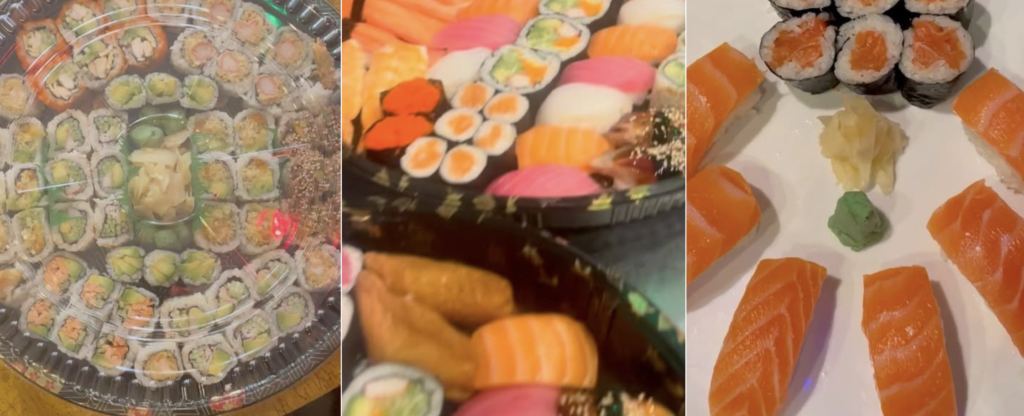
Happy Kitchen is known for its emphasis on fresh ingredients and relatively health-conscious preparation, often using less salt and sugar. Its menu includes sushi rolls, sashimi, tempura, teriyaki, udon noodles and bento boxes, along with vegetarian options.
As more consumers in New York seek healthier dining choices, restaurants offering lighter, balanced meals have gained popularity. Happy Kitchen has adapted to this trend while maintaining its core offerings.
Beyond its menu, the restaurant has developed a reputation for its warm, neighborhood atmosphere. Regular customers—some of whom have been visiting for years—describe it as a comfortable, familiar space with consistent food and friendly service.
Gurung’s journey reflects a broader trend among Nepali immigrants, who have become active across sectors including food service, travel, retail, technology and health care. Her experience also highlights the added responsibilities and challenges faced by women entrepreneurs operating businesses abroad.
Today, Happy Kitchen is considered one of the well-known restaurants in Jackson Heights, supported by a loyal customer base and a reputation for quality. Its continued growth points to the potential for expansion, particularly as newer generations adopt digital tools and modern marketing strategies.
For many in the Nepali diaspora, such success stories represent more than individual achievement—they contribute to the community’s broader identity and visibility.
At first glance, Happy Kitchen may appear to be just another Japanese restaurant in a busy New York neighborhood. But behind its menu is a deeper narrative of struggle, resilience and the pursuit of the immigrant dream—one that continues to resonate with both customers and the community it represents.

Suresh Shahi
View More PostsSuresh Shahi is the editor of NepYork, the showcase of Nepalis in the USA. He has also been an editor of Khasokhas, the voice of the Nepali diaspora in the USA, since 2012. Currently, he hosts the podcast ‘Community Cornerstone.’ Previously, he served as a host, anchor, and news reporter for ABC TV Nepal.