The allure of Mount Everest continues to draw hundreds of climbers from around the world each year, with American mountaineers among the most prominent, even as the risks of extreme weather, avalanches, and death remain high.
Standing at 8,848.86 meters above sea level, Everest — known locally as Sagarmatha — remains the ultimate goal for adventurers seeking personal achievement, endurance, and self-discovery. For many, summiting the world’s highest peak represents a once-in-a-lifetime milestone; for others, it is a test of physical and mental limits.
Each spring climbing season, considered the most favorable period from March to May, hundreds of foreign climbers arrive in Nepal with that ambition.
According to Nepal’s Department of Tourism, a total of 494 climbers from 55 countries obtained permits to climb Everest between March 1 and May 15, 2026. Among them, 77 were U.S. citizens — including nine women and 68 men — making Americans one of the largest groups on the mountain.
Chinese climbers led the list with 109 permits issued, including 26 women and 83 men. India followed with 61 climbers, the United Kingdom with 32, and Russia with 18. Other countries included Australia with 15 climbers, Japan with 14, and Nepal with 12.
Interest in Nepal’s mountains extends beyond Everest. During the same period, the department issued 1,181 climbing permits for various Himalayan peaks to climbers from 79 countries, including 283 women and 898 men.
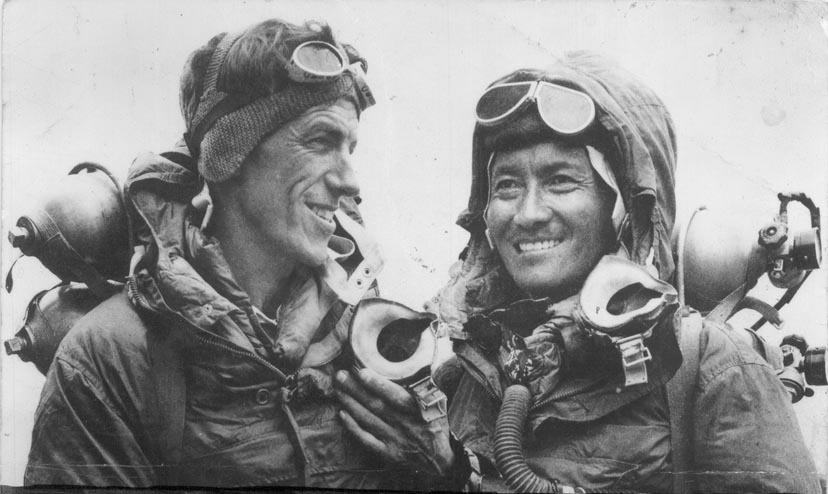
China again ranked first with 156 climbers, followed by the United States with 150 — including 25 women and 125 men — participating in expeditions across multiple mountains. India, the United Kingdom, Germany, and Russia also recorded strong participation, while 43 Nepali climbers obtained permits.
Despite the growing popularity, mountaineering remains inherently dangerous. This season, at least seven climbers have died across various Himalayan expeditions, including American climber Sally Johnson, 53.
Johnson was critically injured in an avalanche between Camp III and Camp II on Mount Makalu at an altitude of approximately 7,200 meters. She died on April 28, according to the Department of Tourism.
Data from the past two fiscal years also show sustained U.S. interest in Nepal’s mountains. In fiscal year 2024-25 (2081/82 BS), 294 American climbers obtained permits, up from 265 in 2023-24 (2080/81 BS).
Overall, Nepal issued 2,548 climbing permits to climbers from 87 countries in the last fiscal year, compared to 2,373 climbers from 93 countries the year before.
Mountaineering is also a major source of government revenue. Nepal collected more than 768.6 million Nepali rupees in climbing permit fees in the last fiscal year, though that was down from 918.6 million rupees the previous year. Everest alone accounted for about 78.74 percent of total royalty income from mountaineering.
Rishi Bhandari, general secretary of the Expedition Operators Association of Nepal, said climbing activities across Everest and other peaks are being conducted in a safe and organized manner. He noted that mountaineering is increasingly viewed not just as an adventure sport, but as a journey of personal growth and achievement.
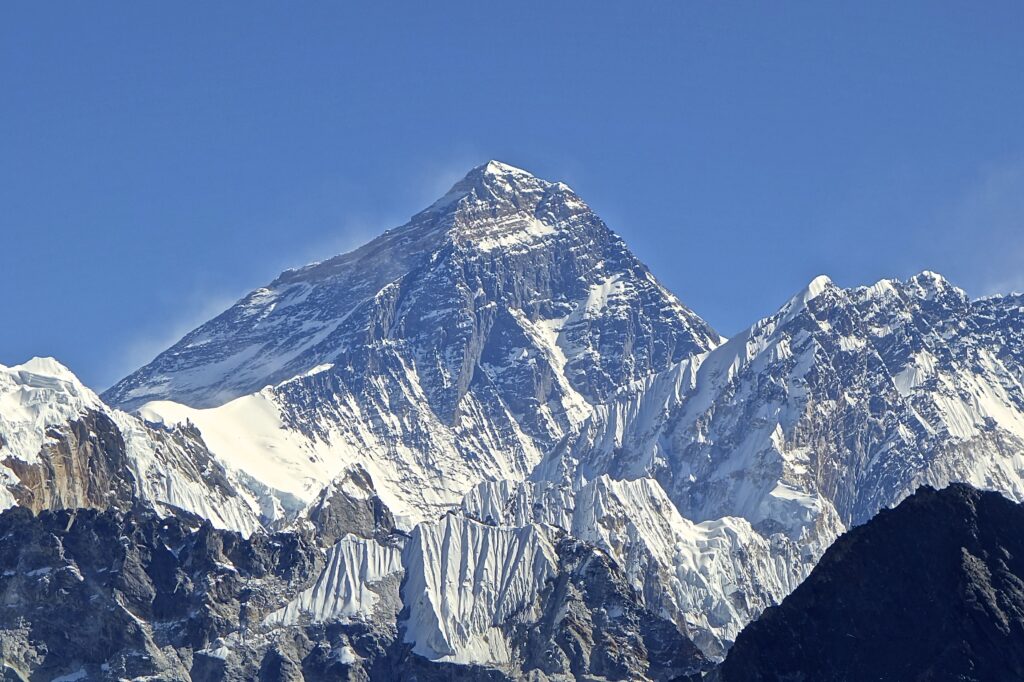
“People now see climbing not only as an adventurous activity but also as a way to build confidence and achieve personal milestones,” Bhandari said. “That is why global interest in Nepal’s mountains continues to rise.”
American diplomat Mike Harker, who summited Everest on May 20, described the climb as a deeply humbling experience. Sharing his reflections on social media, Harker said the mountain fosters respect for nature, fellow climbers, and those who never return.
“In the death zone, the mind is the only thing pushing you forward,” he wrote. “Everest doesn’t care about who you are, or what you think you deserve.”
Harker is believed to be the first U.S. diplomat to reach the summit of Everest. His ascent marked the culmination of a two-decade journey that began with a trek to Annapurna Base Camp in 2006, which first connected him to Nepal.
While Nepal’s mountains continue to inspire climbers worldwide, the combination of natural beauty and extreme risk remains a defining reality. Experts say improving safety measures, technology use, and expedition management will be critical to sustaining both the country’s mountaineering legacy and its economic benefits.

Suraj Ghimire
View More PostsSuraj Ghimire is a Nepali journalist based in Kathmandu. He focuses on political, social, migration, and international issues. He has also worked with various national television networks in Nepal.