Child marriage persists in Nepal despite legal bans and awareness campaigns, with poverty, social norms and the rise of social media continuing to drive early unions among girls, according to data, experts and firsthand accounts.
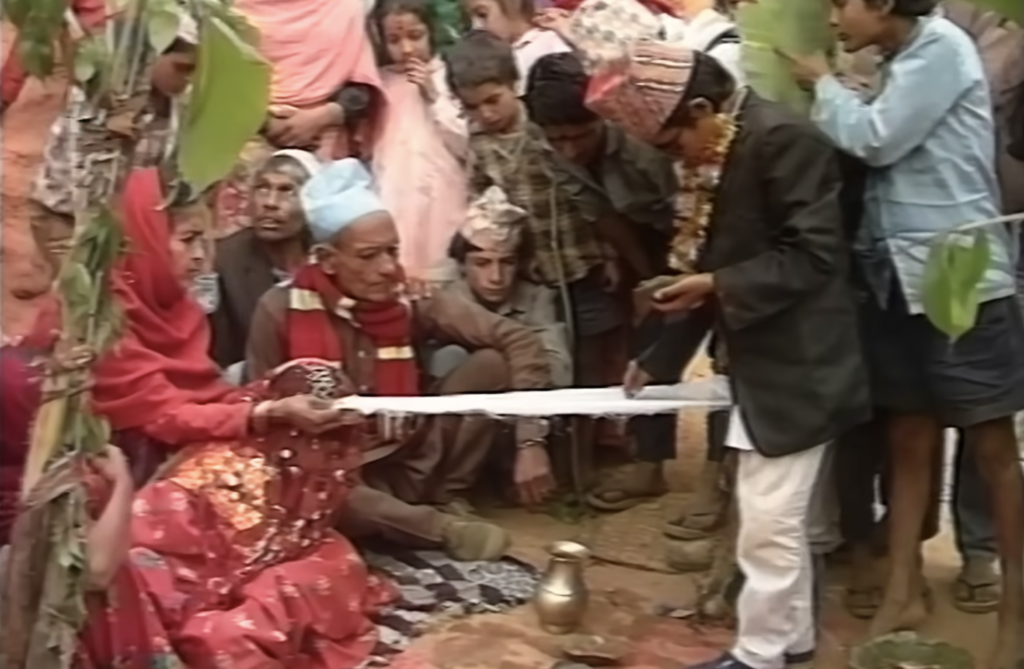
In Prasauni Rural Municipality-1 in Bara district, Geetakumari Kanu, now 33, was married on May 31, 2005, while studying in sixth grade at Bengasa Secondary School. Born on April 28, 1993, she had been a top student before her marriage was arranged, largely due to poverty. Her grandfather sought a groom with about 2 bighas of land, she said.
Kanu gave birth to her first child, a son, at age 15 in 2008 and now has four children. “I was married young because of poverty, which disrupted my education,” she said. “Now I am preparing to complete a bachelor’s degree in management.” She recalled enduring severe hardship and said child marriage darkens girls’ futures.
Resisting early marriage
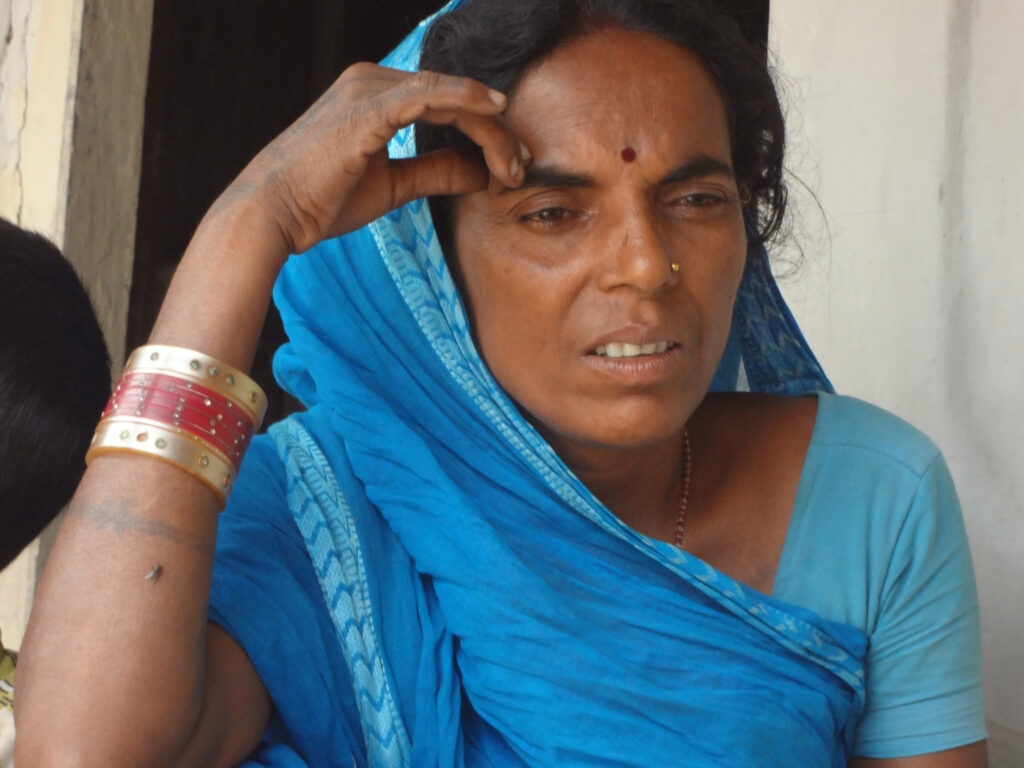
In contrast, Sunita Harijan, 22, from Lumbini Cultural Municipality-2 in Rupandehi district, resisted a child marriage arranged when she was 11. The fifth among eight siblings, Harijan said preparations for her wedding had already begun when she was in fifth grade.
“I threatened to call the police, and only then was the marriage stopped,” she said. Two of her older sisters were married as children. Harijan is now actively involved in campaigns against child marriage.
National and provincial trends
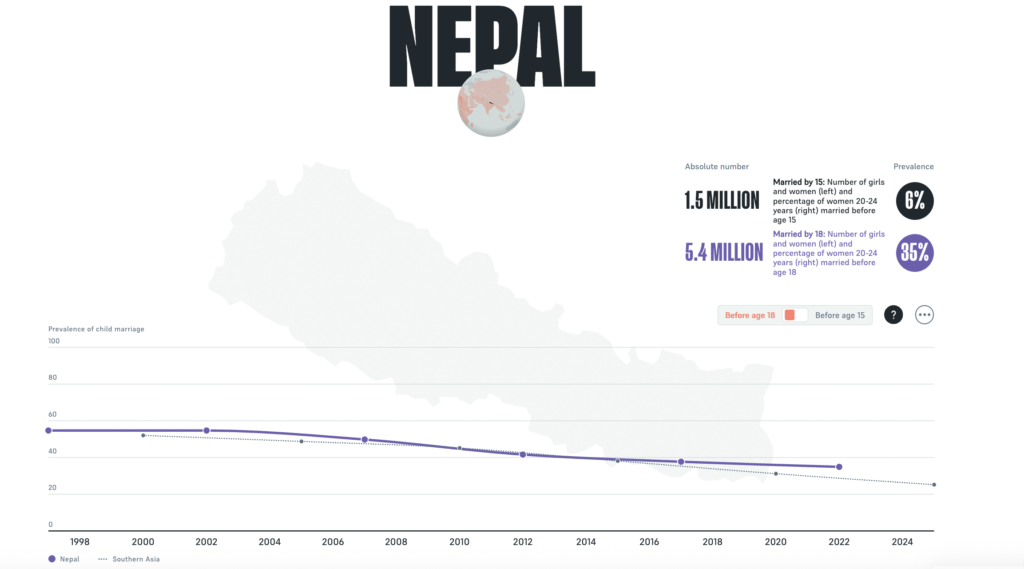
Child marriage rates in Nepal vary by province but remain high. Nationally, 35 percent of girls marry before age 18, down from 55 percent in 1997, according to child marriage data.
Madhesh Province has the highest rate at 56 percent. More than half of women ages 20 to 24 there were married before turning 18, according to demographic data. Despite multiple awareness programs by government and nongovernmental agencies, progress has been limited.
Sociologist Krishna Kumar Sah said poverty, growing use of social media and the tendency to link daughters with family “honor” contribute to the persistence of child marriage in Madhesh. Parents often arrange early marriages out of fear that daughters may form relationships online and elope, he said.
Lumbini Province also has a higher child marriage rate. The provincial government has allocated 1 million rupees to each of its 109 local governments for campaigns in the upcoming fiscal year, according to Finance Minister Dhanendra Karki. Although Lumbini introduced a 10-year strategy to end child marriage in the 2021–22 fiscal year, this is the first time it has prioritized dedicated funding.
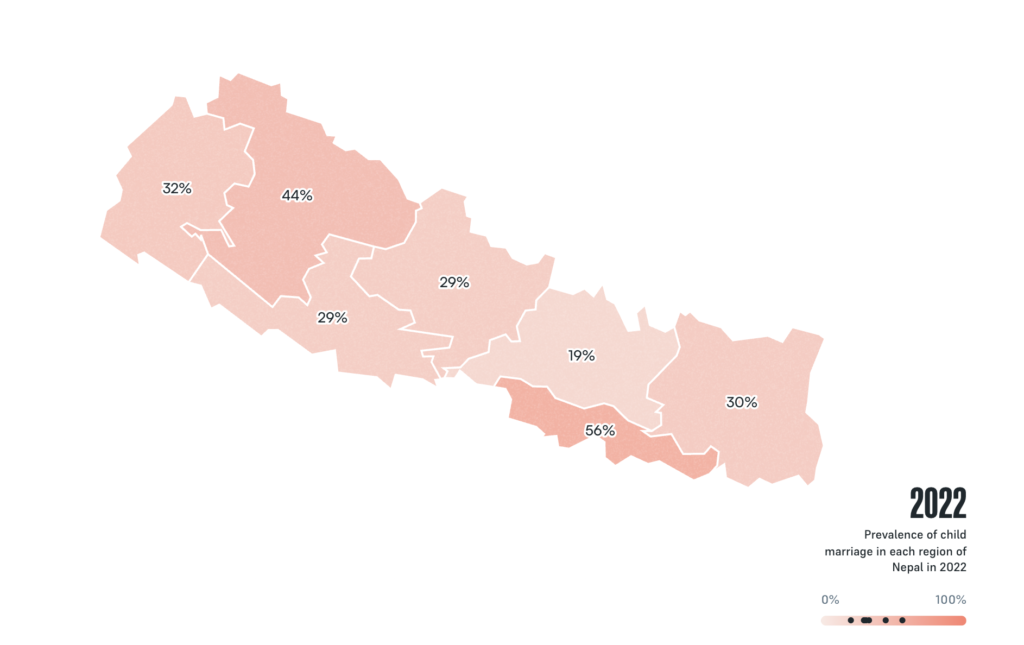
Child marriage rates also remain significant in Sudurpashchim, Karnali and Koshi provinces, while Bagmati and Gandaki provinces report comparatively lower rates, attributed to urbanization, education and economic opportunities.
Impact on health and safety
According to the Nepal Demographic and Health Survey 2022, 34.9 percent of women ages 20 to 24 and 7 percent of men were married before age 18. Among girls ages 15 to 19, 21.6 percent are already married.
Police data show that minors account for a large share of sexual violence victims. Of 3,212 reported cases nationwide in fiscal year 2024-25, 64 percent involved girls under 18. In the previous fiscal year, there were 3,489 victims, including 777 girls ages 11 to 14.
Health experts warn that early marriage and pregnancy increase risks of anemia, malnutrition, hypertension and maternal mortality. Infants born to adolescent mothers face higher risks of premature birth and low birth weight. Early marriage also leads to mental stress, anxiety and depression, while cutting short girls’ education and limiting economic independence.
Technology: risk and opportunity
With expanding internet access, platforms such as Facebook, TikTok, Instagram and Messenger have become integral to daily life for young people in Nepal. While they provide access to education and information, they also expose adolescents to risks.
Researcher Prakash Bhattarai said a lack of digital literacy and parental oversight leaves teenagers vulnerable to online relationships, false identities and harmful influences, sometimes leading to elopement and early marriage. He emphasized the need for age-based regulation of social media use and school-level interventions.
At the same time, social media is increasingly used by government agencies, schools and civil society to spread awareness, share inspirational stories and encourage young people to complete their education.
Legal framework and enforcement gaps
Nepal’s constitution guarantees children’s rights to education, health, safety and dignity. The legal minimum age for marriage is 20. Under the criminal code, those who arrange or participate in child marriage can face up to three years in prison and fines of up to 30,000 rupees.
However, enforcement remains weak. Police spokesperson and Deputy Inspector General Abhi Narayan Kafle cited challenges including falsified ages, lack of birth registration, social and political pressure, and cross-border family ties with India.
Local efforts show progress
Some local governments have reported success. Nisdi Rural Municipality in Palpa district reduced child marriages from 276 couples in 2022 to just 14 since 2025 through community awareness programs, according to child welfare officer Kushmakhar Pandey.
Initiatives include community-police partnerships, pledge campaigns among students and parents, household stickers against child marriage and mobilization of 121 child clubs.
A persistent challenge
Nepal has committed to ending child marriage by 2030 under the Sustainable Development Goals. However, the practice remains prevalent in marginalized communities such as Musahar, Chamar, Dom and Muslim groups, particularly in rural areas where poverty, illiteracy and entrenched traditions persist.
Experts say that beyond enforcing laws, coordinated efforts involving religious leaders, youth groups, women’s organizations and families are essential to empower girls through education and economic opportunities.

Bhawani Prasad Panday
View More PostsBhawani Prasad Panday is a Nepali journalist based in Butwal, a thriving commercial center in Lumbini Province, Nepal. Renowned for his engaging coverage of local issues, Panday explores topics such as economic growth, social challenges, and cultural events. Currently, he writes for NepYork, addressing a broad spectrum of subjects ranging from community concerns to international developments.