
For the first time in Nepal’s political history, a political party representing the sexual and gender minority community has entered the electoral race. The Samabesi Samajbadi Party (Inclusive Socialist Party) has fielded 21 candidates, 18 of whom are from the sexual and gender minority community.
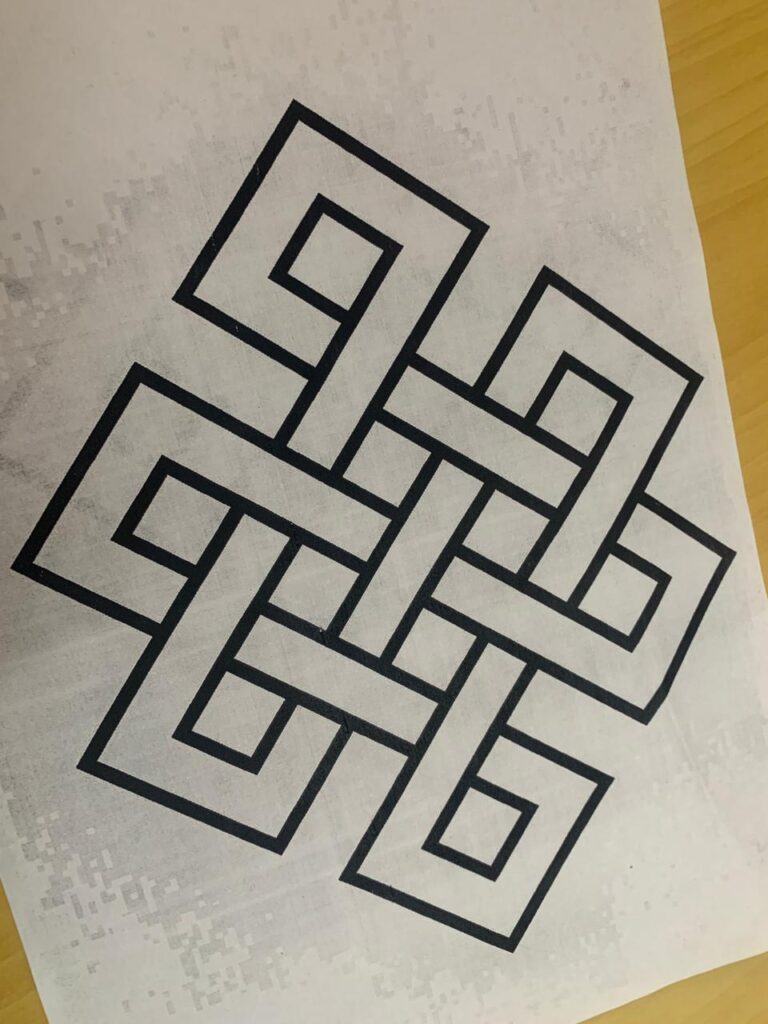
Among them, 15 are contesting under the proportional representation system and 6 under the first-past-the-post category. The party, which will use the “Shrivatsa” symbol in the upcoming House of Representatives election scheduled for March 5, announced its closed list of 15 proportional candidates at a press conference in Kathmandu on Monday.
Shrivatsa is an ancient, auspicious symbol in Hinduism, Buddhism, and Jainism, meaning “beloved of Shri (Lakshmi).” It appears as a mark on Vishnu’s chest representing his consort and symbolizes eternity, divine beauty, and auspiciousness, often depicted as a knot, flower, or spiral.
Under direct candidacy, Pinky Rai (Okhaldhunga), Devendra Bahadur Khatri (Rupandehi–2), Binod Lama (Kavre–1), Numa Limbu Chanchala (Morang–4), Surendra Pandey (Kathmandu–1), and Purna Chandra Poudel (Kathmandu–10) are contesting the polls.
According to the party, its proportional list includes women, men, sexual and gender minorities, visually impaired people, persons with disabilities, and individuals from the entertainment sector, reflecting its aim of inclusive representation. The initiative marks a formal step for the minority community in bringing their long-suppressed voices from the streets to Parliament.
Party chairperson Numa Limbu Chanchala said the decision to contest elections came after repeated neglect by mainstream political forces. “We entered the electoral field because major parties never spoke with us or addressed our concerns,” she said. “It’s not easy to fight an election with a newly formed party and a small organization, but for a community that once had to hide its identity, having candidates brave enough to run for office is already a victory.”
Chanchala added that established parties failed to create space for sexual and gender minority representatives. “Had they given us room, we wouldn’t have needed to form a new party. Our aim isn’t only to represent our community but to speak for all Nepalis,” she said. “Even registering the party demanded a struggle to gain trust.”
She emphasized that the community’s issues remain largely unaddressed, both legally and in practice. “We want to raise our voices in Parliament so that no one has to live as a third-class citizen hiding their identity,” Chanchala noted.
Party insiders describe the move as a historic milestone for the sexual and gender minority movement in Nepal, shifting its struggle from social activism to formal political representation.
In 2008, Sunil Babu Pant became Nepal’s first openly gay lawmaker through proportional representation, but since then, the community has not been represented in Parliament. Past attempts also fell short: Sanjiv Gurung (Naya Shakti Party) and Bhumiká Shrestha (Nepali Congress) in 2017, and Dilu Budha and Shilpa Chaudhary (Unified Socialist Party) in 2022, all failed to secure seats.
In local polls in late 2024, candidates Honey Maharjan and Mauni Maharjan lost contests in Kirtipur Municipality. In the current election, Bhumiká Shrestha has again been recommended by the Rastriya Swatantra Party under proportional seats, while Goma Tamang (Sarín) is competing directly. Rukhsana Kapali and Samjhana KC are listed under the proportional category from the People’s Progressive Party and Janata Samajbadi Party, respectively.
Most other parties, however, have yet to include representatives from the sexual and gender minority community in their lists. According to the Election Commission, only one candidate from the community has been registered from other parties.

Dipendra Dhungana
View More PostsDipendra Dhungana is a journalist based in Kathmandu with over a decade of experience in photojournalism. His work has been featured in numerous national and international outlets, showcasing the stories and resilience of the Nepali people. He is also a contributing journalist for NepYork.

