The second and third weeks of September once again turned New York City into the world’s fashion capital as the city hosted its most colorful and stylish event of the year—New York Fashion Week 2025. First started in 1943 as “Press Week,” the event has grown into one of the most prestigious showcases in the fashion world, now standing alongside Paris, Milan, and London as part of the “Big Four.”
This September, New York Fashion Week 2025 turned the city into a true fashion capital, attracting top celebrities and industry stars from around the world. Famous brands like Michael Kors, Calvin Klein, Ralph Lauren, and Coach showcased their latest collections across Manhattan, drawing excited fashion lovers and media from everywhere. The front rows were filled with big names like Oprah Winfrey, Usher, Jessica Chastain, Mindy Kaling, and Priyanka Chopra Jonas at the Ralph Lauren show.
At Calvin Klein’s Spring/Summer 2026 show, Lily Collins made a highly anticipated return to NYFW after 16 years, leaving the audience wowed. Other stars like Cardi B, Saweetie, Julia Roberts, Katie Holmes, and Gigi Hadid were also seen at different shows throughout the week. Their presence showed once again that NYFW is not just about fashion; it’s where style, culture, and celebrity meet to set the trends for the world.
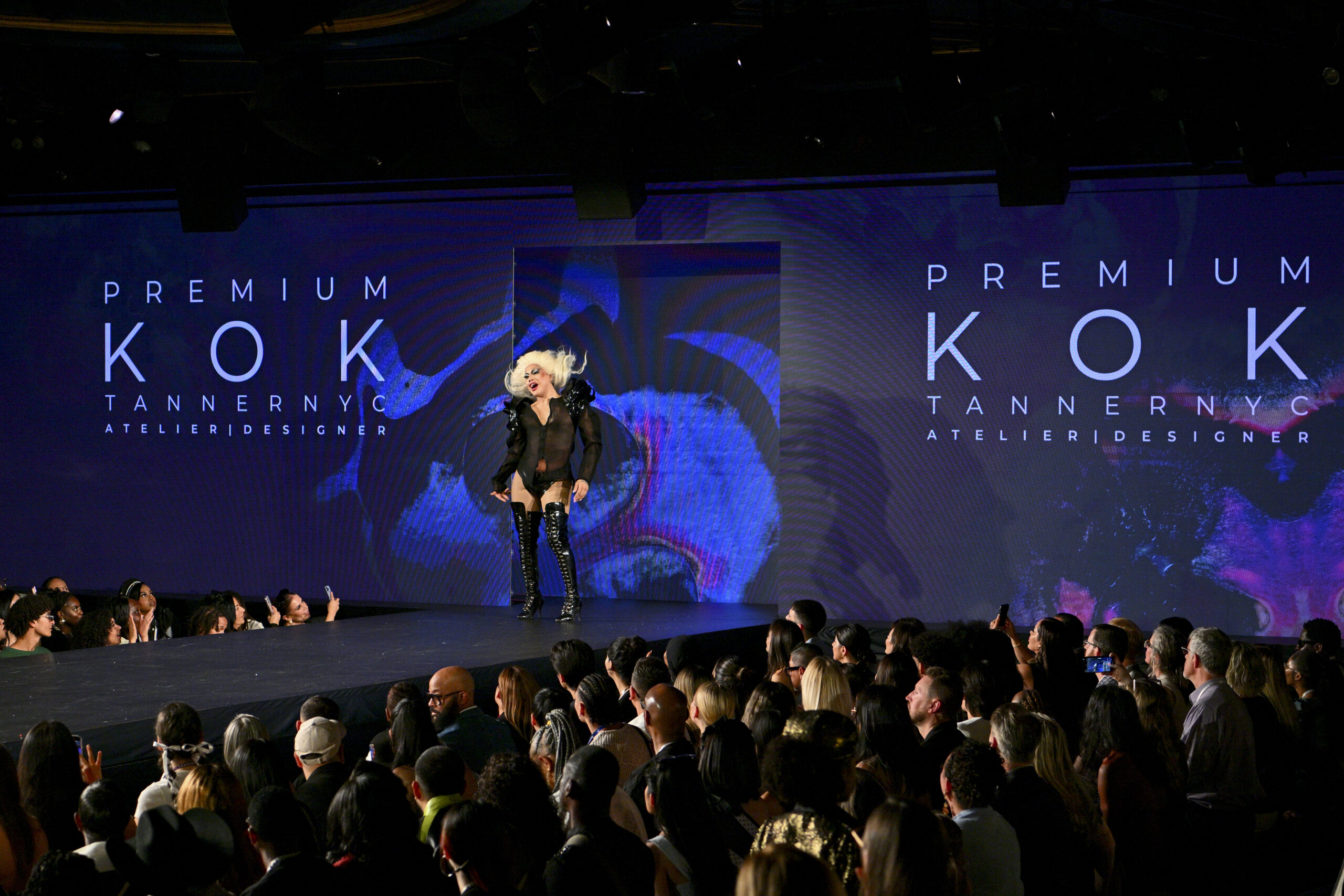
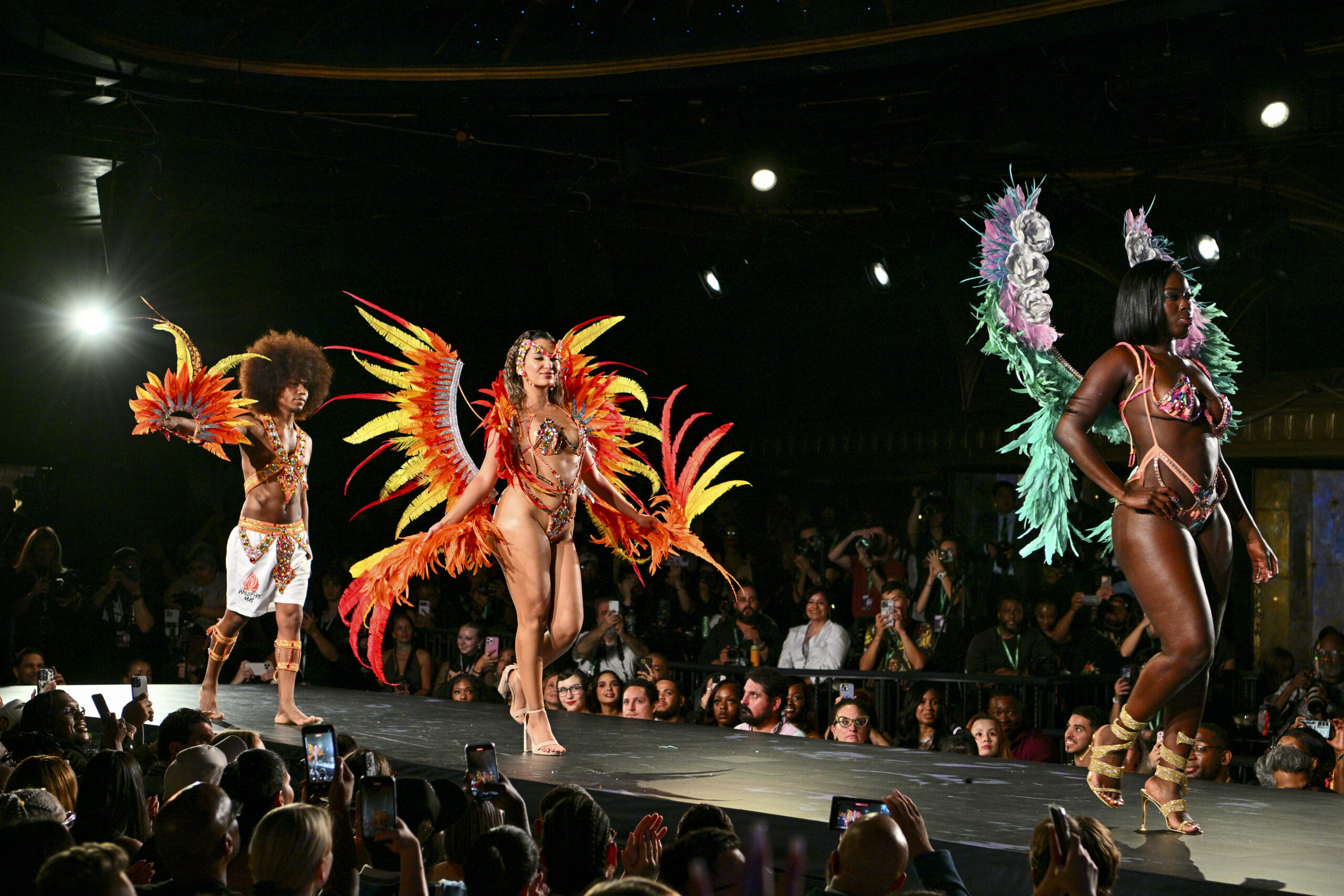
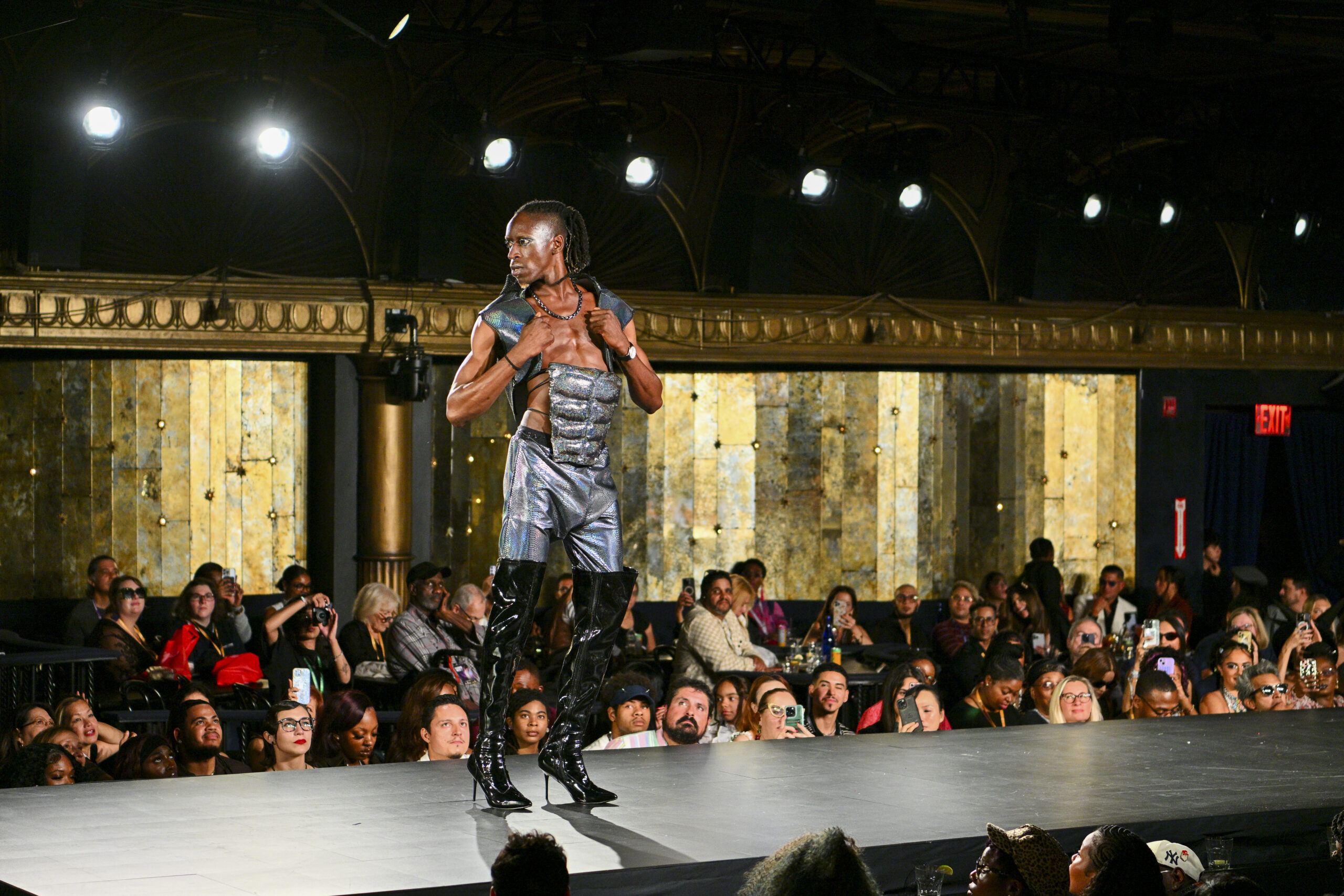
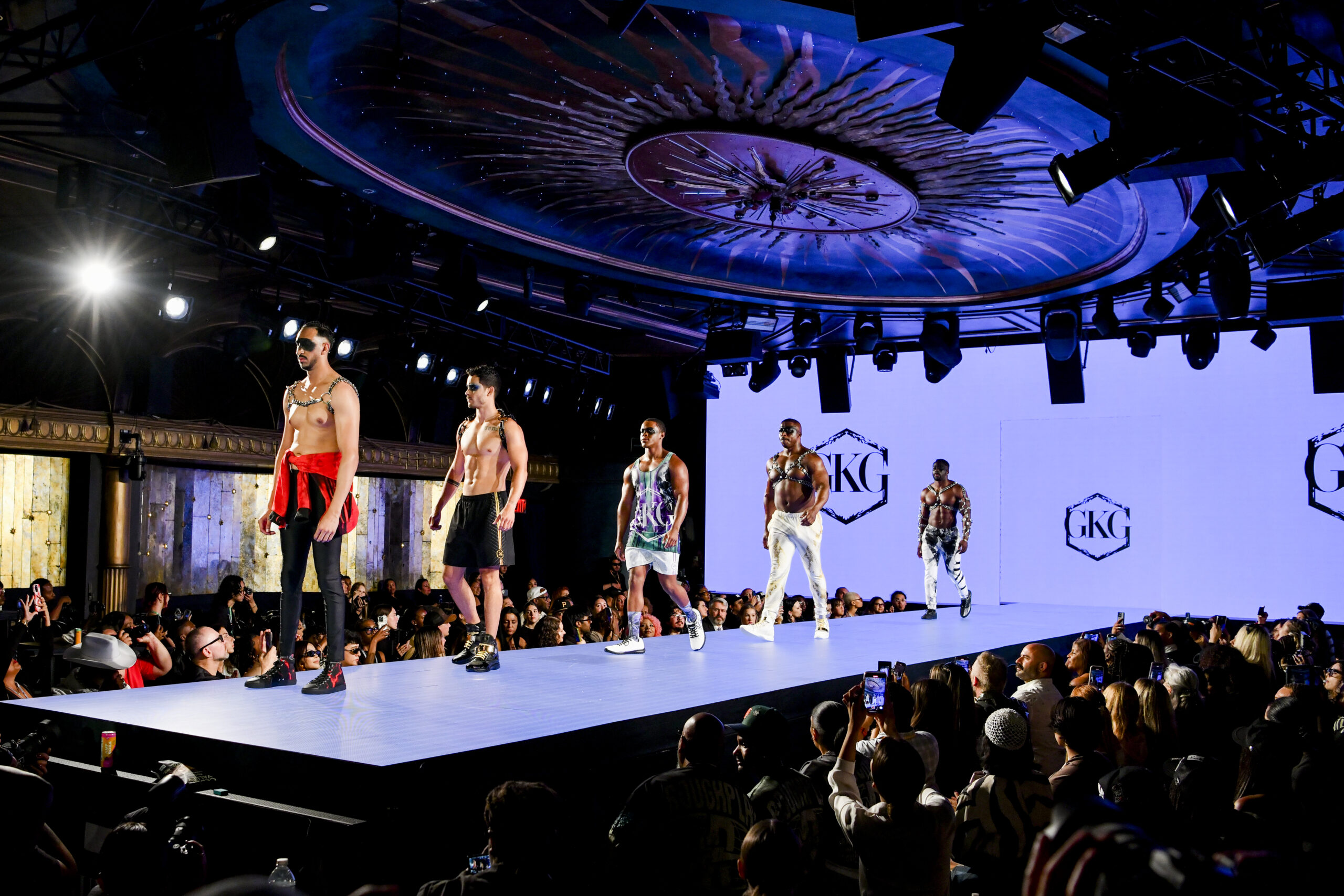
At the heart of Times Square, the Sony Hall runway became a central stage for international designers. Organized by Runway 7, the venue hosted more than 130 designers from 12 countries over five days, from September 10 to 14, 2025. The platform is known for its diversity and inclusivity, offering opportunities not only to established names but also to young, independent, and underrepresented designers from around the world. Runway 7 supports them with marketing and exposure, turning the shows into more than just fashion—they become celebrations of culture, community, and commerce.
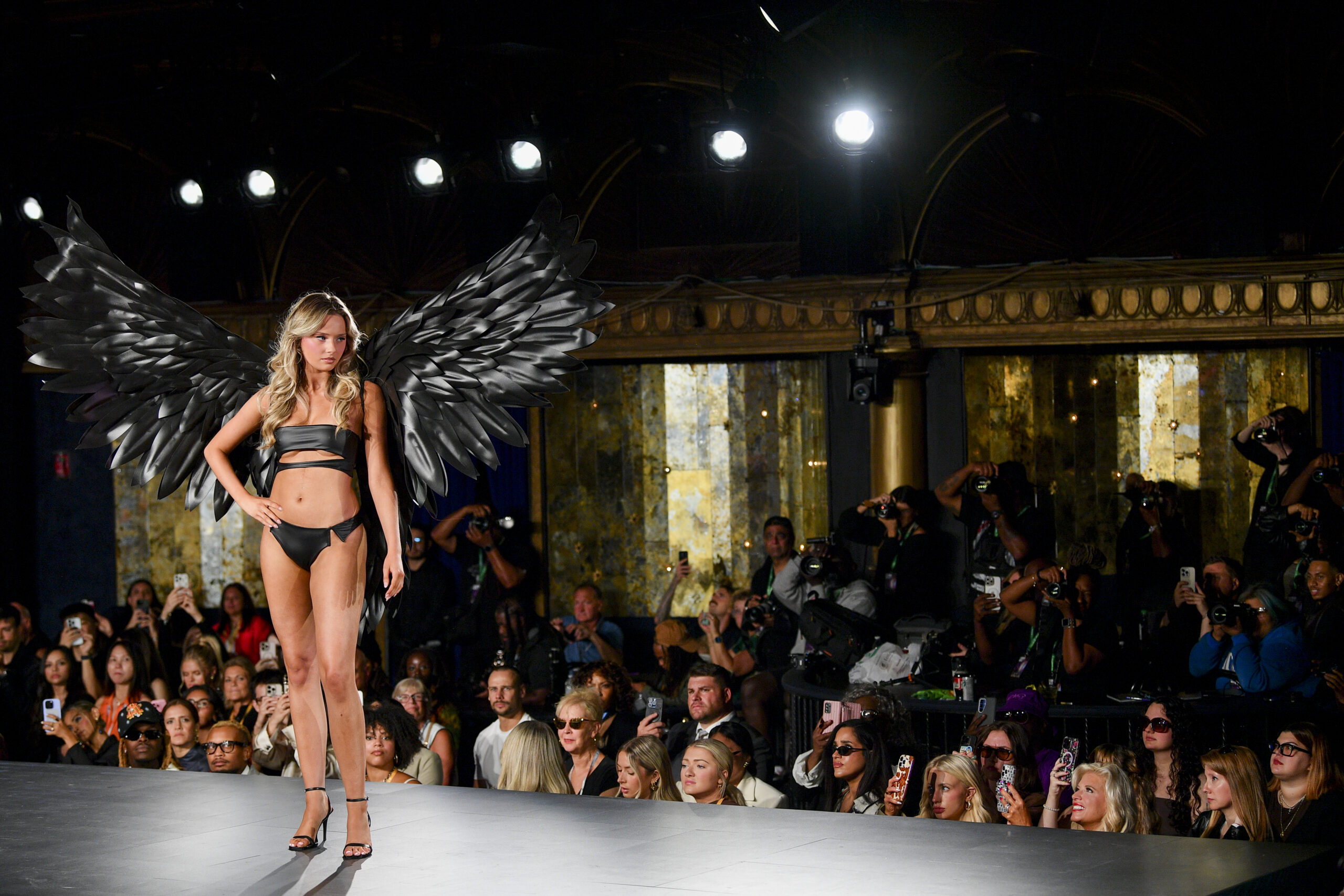
This year’s Sony Hall shows reflected a true variety of creativity. From kid’s wear featuring models as young as four years old to collections presented by people over 50, every age group walked the stage. Differently-abled models, including those in wheelchairs, also participated, proving fashion belongs to everyone.
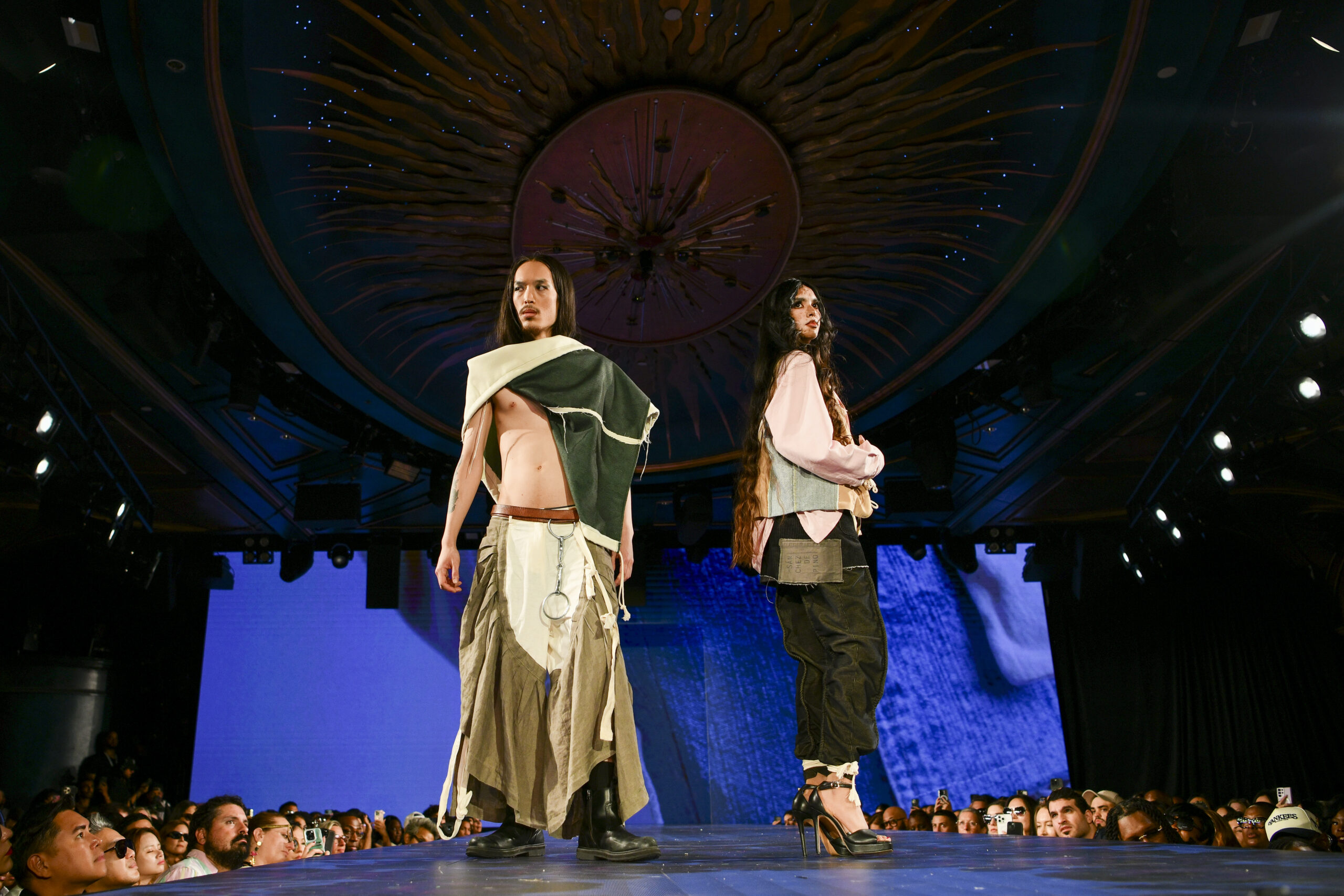
Designers showcased everything from inner wear to traditional looks, pet fashion, recycled materials, metallic creations, and even art-inspired costumes.
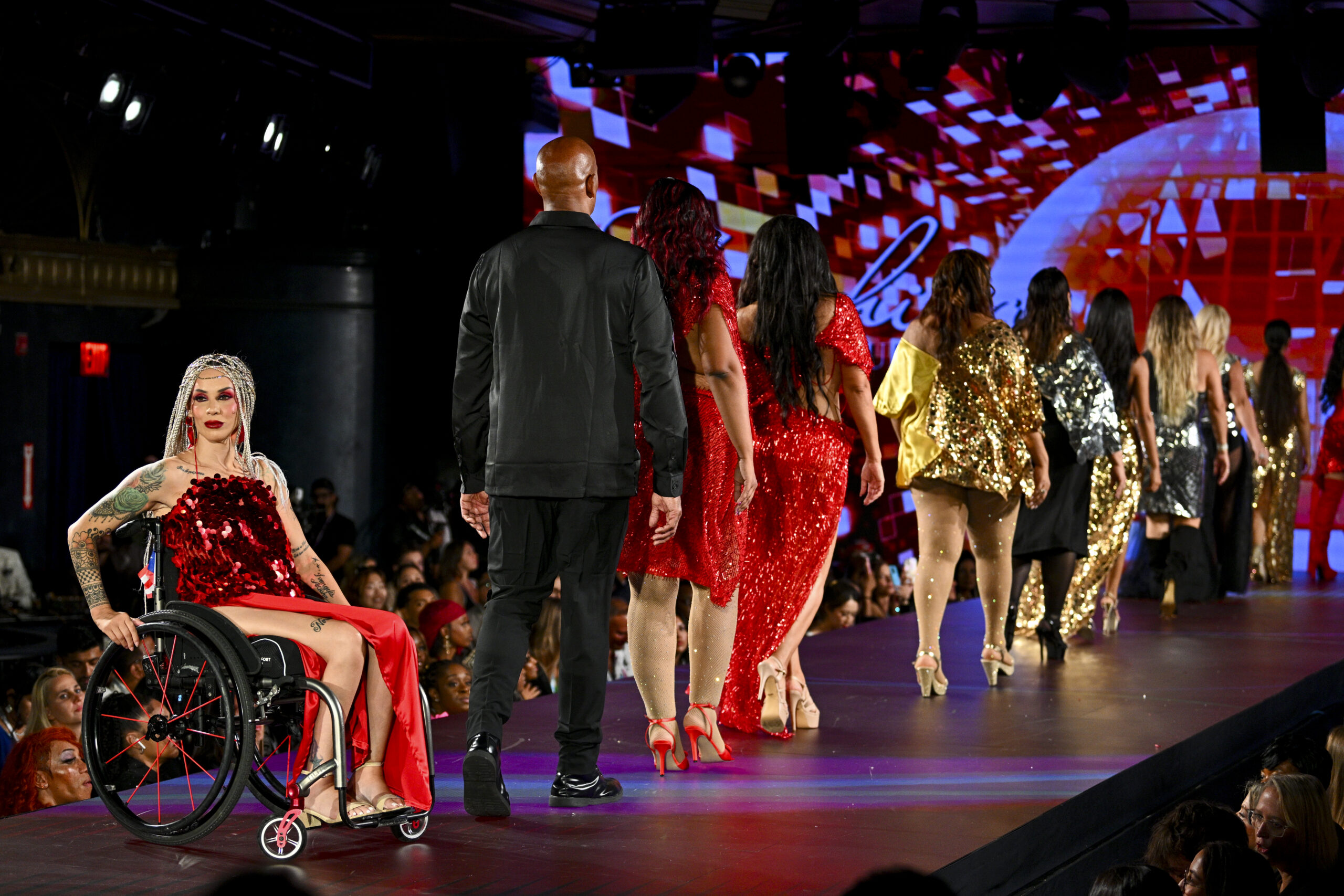
Some shows carried strong social messages; designs paired with placards honoring activists like “Malala Taught us to Fight” and “Kalpana Taught us to Dream,” face-painted models spreading cultural pride, and theatrical performances brought life experiences onto the runway.
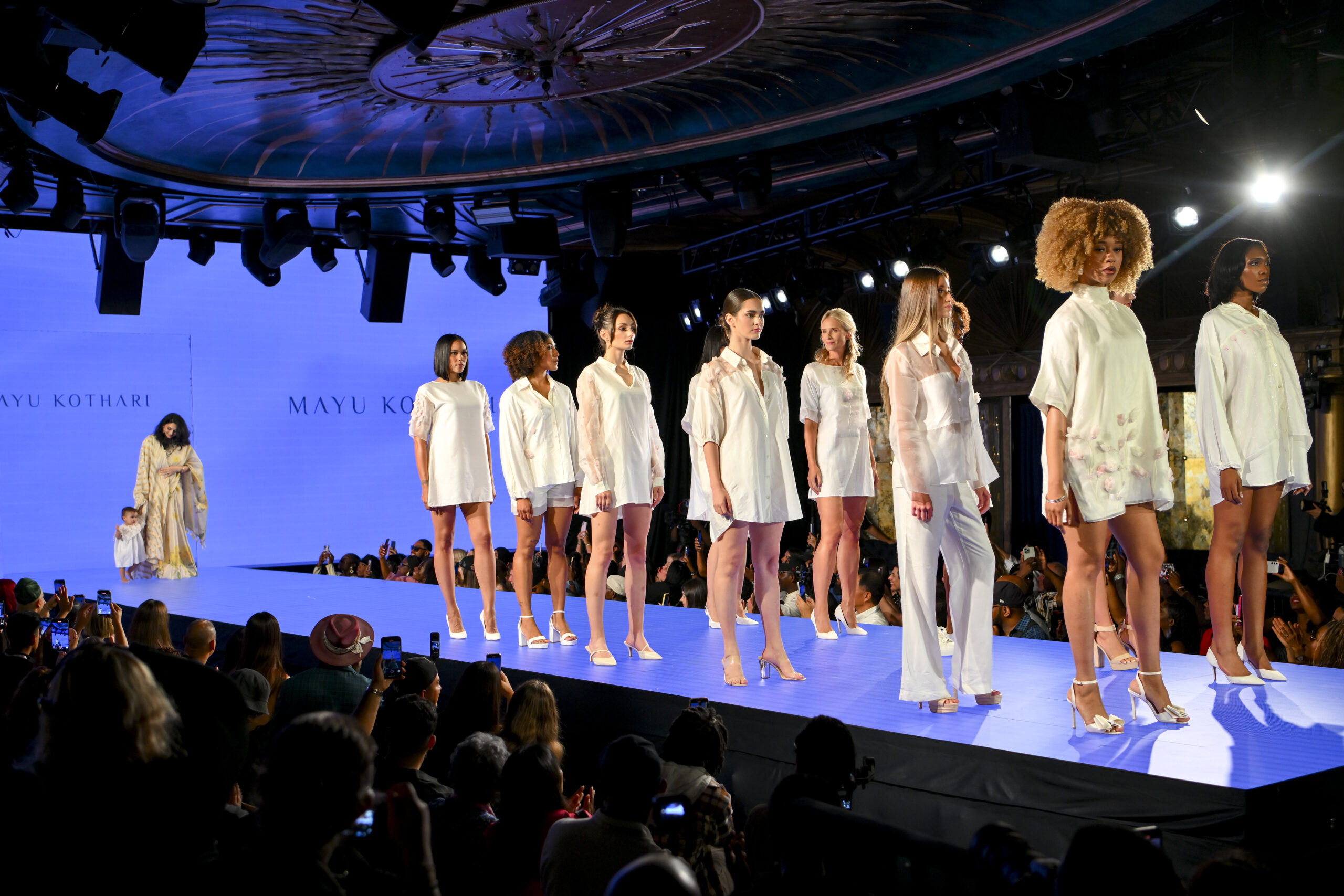
One standout was “Project Lab Coat,” where doctors, nurses, and medical professionals turned the runway into a platform for health awareness. Their show highlighted the fight against Lyme disease, which affects more than 476,000 Americans every year, blending fashion with advocacy.
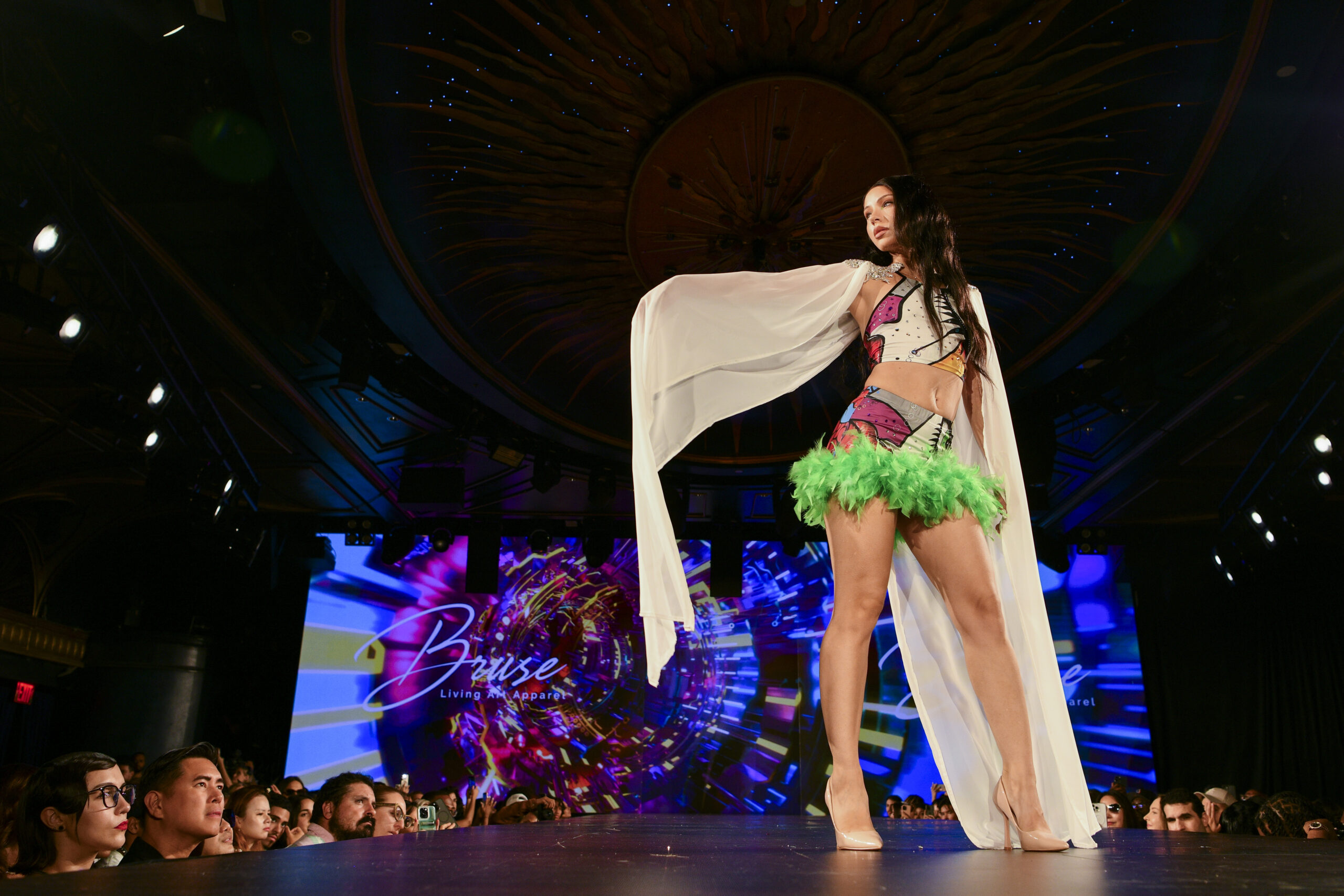
Several designers returned after showing at the February 2025 season, including House of Barretti, Randhawa, Beautiful Khaos, and Drisha Closet, while many newcomers made their debut. Each show was personalized with digital backdrops, music, and lighting, allowing every designer to express their unique vision and message.
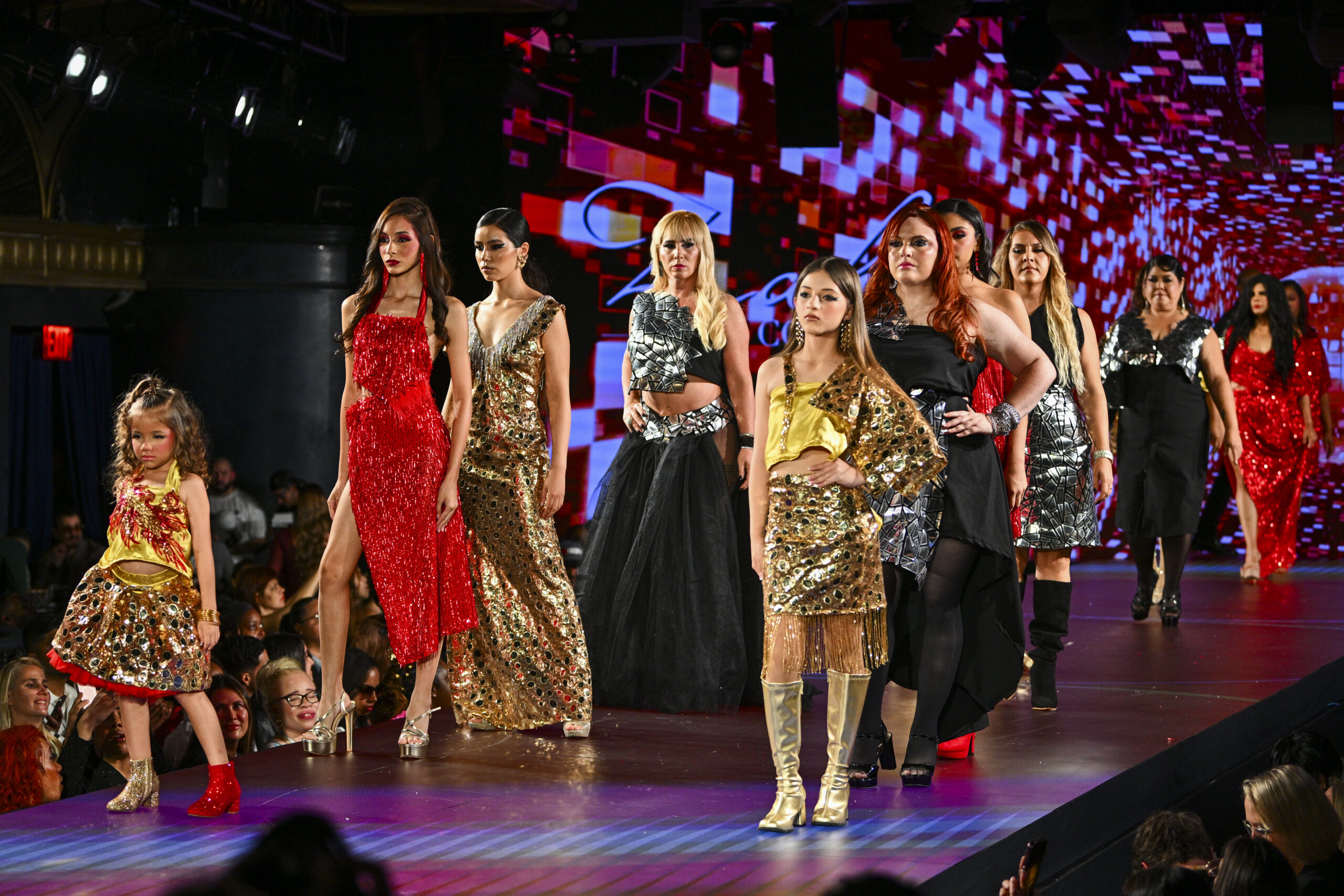
The Sony Hall edition of New York Fashion Week 2025 stood out not just for its glamour, but for its diversity, creativity, and purpose-driven storytelling. It showed the world that fashion today is more than clothing—it is art, activism, culture, and humanity walking together on one stage in New York City.

Rajan Kafle
View More PostsRajan Kafle is a Nepali photojournalist now based in New York. He began his career in video journalism during Nepal's 2006 democratic movement. Kafle has worked for various media outlets in Nepal, including Nepal Television and Kantipur Television. He served as the official photographer for the office of the Prime Minister of Nepal from 2019 to 2021. He has been recognized for his contributions to the field with several awards.