Nepal plans to fully roll out its e-visa system on August 17 as part of a broader effort to digitize government services and make the country’s administrative machinery more technology-friendly, the Department of Immigration said.
The new system will apply to passport holders from the United States and various other countries. However, it will not apply to Chinese passport holders, who will continue to receive free visas on arrival at airports and other ports of entry.
Immigration Department spokesman Tikaram Dhakal said all technical and managerial preparations for the e-visa system have been completed. Until now, foreign travelers seeking entry to Nepal had physical visa stickers printed and affixed to their passports under the traditional system. Under the new arrangement, applicants will be able to obtain visas online from their home countries and print the approved documents for travel.
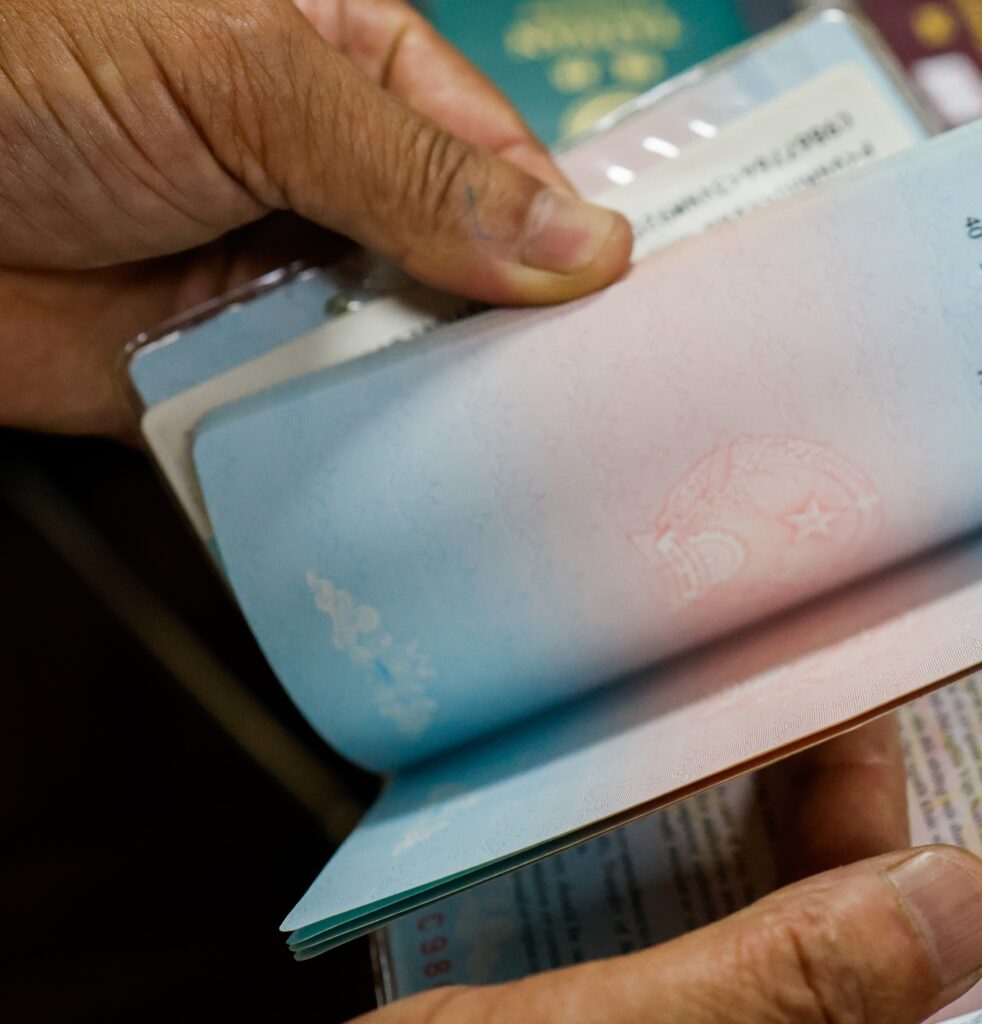
Dhakal said the new system is expected to reduce crowding at Tribhuvan International Airport and other immigration checkpoints while also reducing processing time and administrative costs. The department noted that the e-visa platform is already in a test phase—even though it is capable of full operation—so officials can address any technical glitches before the official launch.
According to Dhakal, online applications will be processed within 24 hours. Applicants from eligible countries will need to submit personal and travel details through Nepal’s official online portal, NepaliPort, and pay the required visa fee for the application to proceed. Once processed, the visa document will be sent to the applicant’s official email address, and the traveler can print it for travel to Nepal.
The department said the current Electronic Travel Authorization (ETA) system will continue in parallel for a transition period because some travelers may not yet be aware of the new process. Officials confirmed that the older system will not be decommissioned immediately.
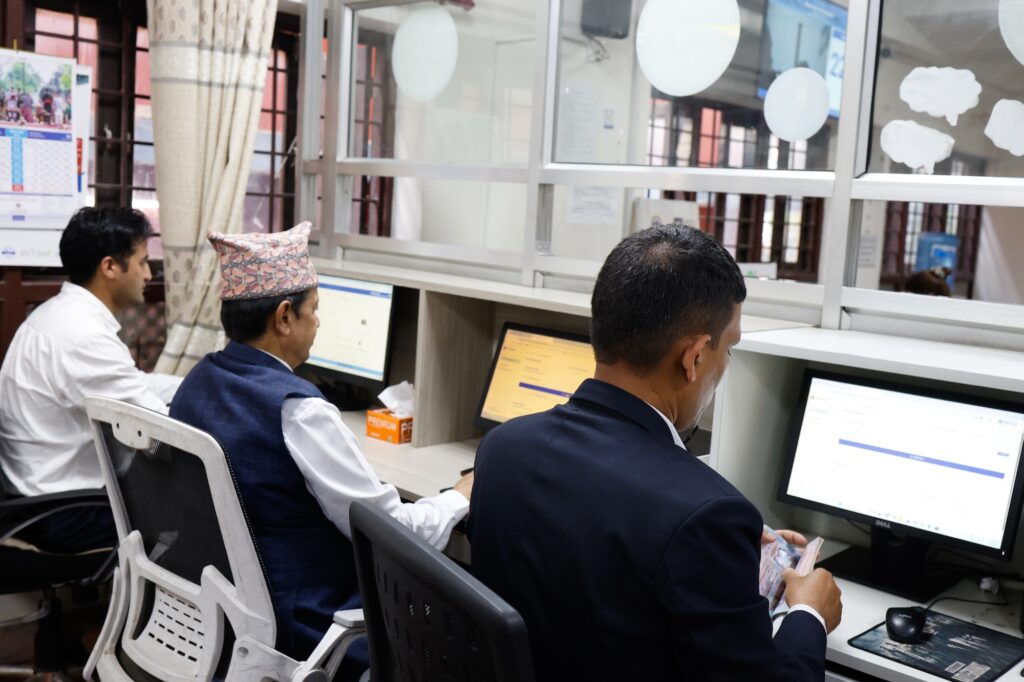
Dhakal also acknowledged that the e-visa system carries some risk of intermediaries and forged visas, but he described this as a global challenge. He noted that Nepal has previously seen cases involving fake passports and forged travel documents, warning that immigration officials will deport anyone found entering illegally or with suspicious papers. If a document raises concerns, the department will seek verification from diplomatic missions in Nepal or the relevant country.
The department clarified that Chinese citizens are excluded from the initial rollout because they already receive free visas on arrival, and officials want to avoid heavy web traffic and system overload at the start. Additionally, the department noted that Nepal remains dependent on the Office of the Auditor General’s payment system for online transactions, where occasional technical slowdowns could affect e-visa processing times.

Dipendra Dhungana
View More PostsDipendra Dhungana is a journalist based in Kathmandu with over a decade of experience in photojournalism. His work has been featured in numerous national and international outlets, showcasing the stories and resilience of the Nepali people. He is also a contributing journalist for NepYork.